

















الكازينوهات

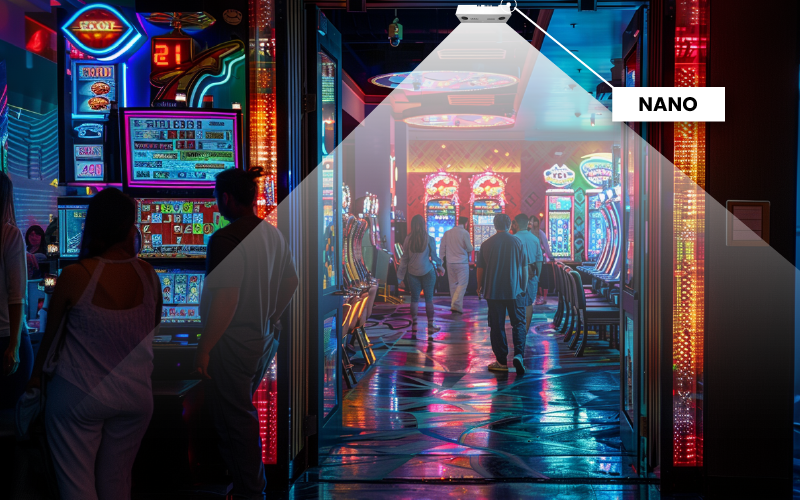
A casino floor is one of the hardest buildings in hospitality to read from the cage window. V-Count puts a casino people counter over every public entrance, the porte-cochère and the doors into each gaming zone, so you can see entrance counts per shift, live occupancy on the table pit and on each slot bank, dwell in the high-limit room, and how many arrivals actually reach the buffet, the sportsbook or the show venue. Counting is anonymous: an overhead sensor registers a shape crossing a line, never a face, and no facial recognition is used. Everything lands in BoostBI, the casino visitor analytics platform your duty managers use for hourly traffic, capacity alerts and promotion-by-promotion attribution instead of an end-of-night guess.

Casino Customer Counter
Join the Ranks of Our مرموق Clients

استكشف المعرض الذي يُبرز مجموعتنا المتنوّعة من العملاء. نفخر بالعمل مع هذه العلامات التجارية الرائدة، مقدّمين حلول تحليلات الزوّار التي تدفع نجاحها.

فوائد تحليلات الزوّار للكازينوهات

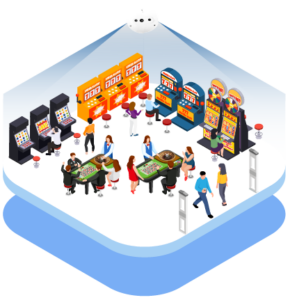
Casinos People Counting 01

يعزّز عدّ الأشخاص في قطاع الكازينوهات الكفاءة التشغيلية واتخاذ القرارات الاستراتيجية. فمن خلال عدّ الزوّار بدقة في الوقت الفعلي، يمكن للكازينوهات الاحتفاظ بسجل دقيق للعدد الإجمالي للأفراد في المكان، وهو جانب بالغ الأهمية للتوظيف الفعّال وتنفيذ استراتيجيات الأعمال الديناميكية. وتضمن هذه الرؤية الآنية أن يكون الكازينو مزوّدًا بعدد كافٍ من الموظفين، بما يعزّز خدمة العملاء والكفاءة التشغيلية.

إضافةً إلى ذلك، تصبح المقارنة المعيارية أداةً قيّمة لسلاسل الكازينوهات. فالقدرة على مقارنة حركة الزوّار في مواقع مختلفة داخل السلسلة توفّر فهمًا شاملًا لتفاوتات الأداء. ويتيح هذا النهج المبني على البيانات لمديري الكازينوهات تحديد المواقع الأعلى أداءً وتطبيق الاستراتيجيات الناجحة باتّساق عبر السلسلة بأكملها.

يُعدّ التنبّؤ بفترات الذروة ميزةً مهمة أخرى لعدّ الأشخاص في الكازينوهات. فتحليل بيانات الحركة السابقة يمكّن المديرين من توقّع ساعات الذروة المستقبلية بدقة. وهذا الاستشراف أساسي للاستعداد لزيادة أعداد الزوّار، وتحسين مستويات التوظيف، وضمان تجربة سلسة وممتعة للضيوف خلال فترات الازدحام الشديد.

Airport Queue Management 01

تحتاج الكازينوهات إلى أنظمة فعّالة لإدارة الطوابير. استفِد من أنظمة إدارة الطوابير لتلقّي إشعارات فورية عندما تطول الطوابير أو تقترب قاعات الألعاب من سعتها القصوى. ويضمن هذا النهج الاستباقي إدارةً أفضل للطوابير، بما يعزّز تجربة الضيوف بشكل عام.

تسهّل بيانات إدارة الطوابير التوظيف الأمثل خلال فترات الذروة، بما يتيح للكازينوهات توزيع الموظفين بكفاءة. ومن خلال تحسين نسبة الموظفين إلى العملاء في مناطق مختلفة كالمطاعم ومحلات الهدايا وغيرها من الأنشطة الثانوية داخل الكازينو، يتحقّق أقصى قدر من رضا الضيوف.

تسهم الطوابير الأقصر وتحسّن نسبة الموظفين إلى العملاء مباشرةً في تقليل الفرص الضائعة ورفع معدلات التحويل. وينتج عن ذلك عملية تشغيلية أكثر سلاسة وكفاءة، مما يقلّل خسارة الإيرادات المحتملة ويضمن أثرًا إيجابيًا على أداء الكازينو بشكل عام.
Casinos Heatmap Zone Analytics 01

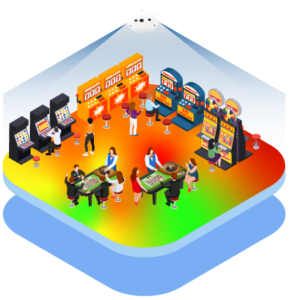
تساعد الخرائط الحرارية على تحديد قاعات الألعاب أو آلات القمار ذات النشاط الأعلى. ووضع أجهزة الصرّاف الآلي استراتيجيًا في هذه المناطق الساخنة يمكن أن يعزّز الإيرادات بشكل كبير عبر تلبية تفضيلات زوّار الكازينو وسلوكياتهم. واحصل على تقارير شاملة حول مدة بقاء اللاعبين في صالة الكازينو أو في قاعات الألعاب. وتتيح هذه البيانات القيّمة للكازينوهات وضع استراتيجيات مبتكرة لزيادة مدة البقاء، بما يحسّن تجربة الضيوف بشكل عام ويزيد رضا العملاء.

تسهم الخرائط الحرارية في تحسين تصميم الكازينو بشكل عام من خلال تحسين توزيع المنتجات، ورفع كفاءة التصميم، وزيادة سهولة الوصول. وهذا بدوره يسهّل تدفّقًا أكثر سلاسة للزوّار ويعظّم التفاعل، مما يخلق بيئة تشجّع على إطالة مدة البقاء.

كما يمكن للكازينوهات تحديد المناطق ذات التدفّق العالي للحركة واستغلالها لوضع الإعلانات على النحو الأمثل، بما يضمن أقصى ظهور للفعاليات الخاصة. ويعزّز هذا النهج التسويقي الاستراتيجي أثر الجهود الترويجية، فيصل بفعالية إلى الجمهور المستهدف ويزيد حركة الزوّار.

زِد الإيرادات الإجمالية من خلال وضع الألعاب الجديدة استراتيجيًا في المناطق المزدحمة، مستفيدًا من بيانات الخرائط الحرارية لقياس شعبية هذه الألعاب. ومن خلال التمييز بين تفضيلات العملاء المقامرين وغير المقامرين، يمكن للكازينوهات تكييف عروضها لتلبية شرائح العملاء المختلفة، مما يؤدي إلى زيادة الإيرادات ورضا العملاء.

Casino visitor analytics: what to measure on the gaming floor

A casino people counter earns its place when it reports numbers a duty manager can act on before the shift ends, not one door total at 6am. These are the measurements that matter in a gaming venue:

  • Entrance counts per shift and per promotion. Every public door, the porte-cochère, the parking link and the hotel corridor counted separately, split by day, swing and graveyard shift. When a coach group arrives or a promotion runs, you see the lift at the door it came through instead of inferring it from carded play.
  • Gaming-floor zone occupancy by pit and slot bank. The floor is not one space. Counting the boundary of each pit, each bank of machines, the poker room and the sportsbook gives live headcount per zone, so you know whether the floor is busy or whether one pit is busy and the rest is empty.
  • Dwell time by zone. How long people stay around a bank of machines or a pit is the closest proxy to engagement you can get without touching player data. Falling dwell on a bank is an early signal about product mix, lighting, noise or seating, long before the revenue reports confirm it.
  • Table-area versus slot-area flow. Directional counts on the walkways joining the table games area to the slot floor show which way traffic moves through the night, where it stalls, and which cross-aisle is doing the work.
  • F&B and show-venue capture rate. Divide entries to the buffet, steakhouse, bar or theatre by the people who passed that entrance. Capture rate is how you tell an underperforming restaurant apart from a badly signed one.
  • VIP and high-limit room occupancy. A single anonymous count on the high-limit entrance tells hosts and security how many guests are in the room at any moment without recording who they are.
  • Hotel-to-casino flow. In an integrated resort the link corridor between the tower and the floor is the most valuable count in the building: it shows what share of your hotel guests convert into gaming-floor visits, and at what hour.
  • Regulatory capacity and safety counts. Live occupancy against the certified limit for the floor, the showroom and each F&B outlet, with a timestamped record you can hand to a regulator or fire officer.

All of this is anonymous counting. V-Count sensors detect a shape crossing a line or moving inside a zone; they do not use facial recognition, do not identify players and do not store images of guests. Nothing a casino people counter produces can be tied back to an individual, which is exactly what makes it deployable on a gaming floor where player privacy is both a legal and a commercial obligation. For the underlying method, see our overview of people counting technology.

Where the sensors go in a casino

Casinos are difficult rooms to count: dim lighting, patterned carpet, mirrored ceilings, high atriums and crowds that move slowly in loose groups. Sensor choice follows the space.

Nano AI is the default indoor sensor at standard ceiling heights — main entrances, the corridor to the cage, restaurant and bar doors, the poker room, and the boundaries of each pit. It is an overhead AI camera sensor that classifies and counts on the device, so what leaves the sensor is a number rather than a picture.

Nano Prime is the 3D stereo sensor for the hard cases: high atrium ceilings over the main floor, low-light gaming areas, and wide entrances where several people walk abreast. Where the ceiling is too high or the light too low for a conventional sensor, Nano Prime is the one to specify.

Nano Outdoor covers the parts of the property that are not indoors: the porte-cochère, the valet lane, coach drop-off, the smoking terrace and the door from the parking structure. Those counts are what tell you how guests actually arrive, which no interior sensor can.

VCare handles real-time occupancy wherever a person or a screen needs the number now — showroom capacity, the buffet at peak, an event space rented out for a tournament.

Everything reports into BoostBI, V-Count’s cloud analytics platform, where raw counts become per-hour and per-shift dashboards, zone comparisons, zone heatmaps of the gaming floor, and threshold alerts sent to whoever is on duty.

How casino operators use the data

  • Staffing by hour. Dealer rotations, cage cashiers, security posts, beverage service and cleaning rounds scheduled against the traffic curve for that day of the week rather than a standing roster. The same curve says when to open a second pit and when to close one.
  • Floor layout and machine placement. Zone dwell and walkway flow expose the dead corners of the floor. Moving a bank of machines, opening a sightline or re-siting an ATM becomes a decision you can measure before and after.
  • Marketing attribution for events and promotions. Compare entrance counts across the promotion window against the same shift on matched days. This captures the walk-in audience that loyalty data never sees, which on most floors is the larger half.
  • F&B and entertainment programming. Capture rate by outlet and by hour decides opening times, buffet staffing, and whether a show pushes people onto the floor afterwards or only into the theatre and out again.
  • Safety and compliance. Occupancy history against certified capacity for the floor, the showroom and each outlet, exportable for regulators, insurers and fire authorities.
  • Refit and capital decisions. A new terrace, a re-carpeted pit or a relocated cage can be judged on the traffic and dwell change in the affected zone instead of on opinion.

Casino crowd management solution and queue control

A casino crowd management solution starts with live occupancy and a threshold. Set an amber and a red number for the gaming floor, the showroom, each restaurant and the event space; when live occupancy crosses one, BoostBI alerts the duty manager, the security desk or a floor display, so the response — open another door, hold the line, call in staff, pause entry to the showroom — happens while it still helps. The same occupancy history is retained, so a heavy night can be reviewed afterwards and the thresholds tuned rather than guessed at again.

Casino queue management is the other half of crowd control. The cage, the players club desk, the buffet podium and the show entrance are where guests actually wait, and a queue at the cage is the one they remember. Counting arrivals and departures in each waiting area gives live queue length and estimated waiting time, which drives the same alerting: open a second cage window, pull a host to the club desk, stage the buffet line. Our queue management solution covers the detection and alerting side in detail.

Want to see this on your own floor plan? Request a demo and we will walk through sensor placement for your entrances, pits, slot banks, cage and F&B outlets.

Casino people counting FAQ

Can a casino people counter measure occupancy separately for each pit and slot bank?

Yes. A gaming floor is counted as a set of zones rather than as one room. Sensors on the boundary of each pit, each slot bank, the poker room and the sportsbook produce their own entry, exit and live occupancy figures, and BoostBI shows them side by side for any hour or shift. That is what lets you see that a healthy floor total is really one full bank and three empty ones — a distinction a single door count can never make, and the one that decides where staff and product go next.

How do you track flow between the table-games area and the slot area?

With directional counting on the walkways that join them. Each crossing is recorded as a movement one way or the other, so you get net flow per hour rather than a static headcount. Over a week the pattern shows when slot players migrate to the tables, which aisles carry the traffic and where people turn back. Layout changes, signage and the placement of bars or ATMs can then be judged on whether that flow actually changed, instead of on how the floor felt to the manager on shift.

Can we measure capture rate for the buffet, the restaurants and the show venue?

Yes. Capture rate is the share of people passing an outlet who go in, so it needs two counts: passers-by in the adjoining walkway and entries at the door. V-Count reports both and divides them by hour, by day and by outlet. A low capture rate with high passing traffic points at signage, pricing or the podium; low passing traffic points at where the outlet sits on the floor. The same measure works for a theatre, a nightclub or an event space.

How do you monitor VIP and high-limit room occupancy without identifying players?

A sensor on the high-limit or VIP room entrance counts entries and exits and reports live occupancy for that room alone. It records that a person crossed the line, not who that person was: no facial recognition, no identification, no stored images. Hosts and security get the headcount they need for service and safety, and the privacy expectation of high-value players is left intact. The same anonymous method is used in every other zone on the property, including the main floor.

What does casino queue management measure at the cage and the buffet?

It measures how many people are waiting and how long they have been waiting. Sensors covering the waiting area count arrivals and departures, and the difference over time gives live queue length and an estimated wait. Thresholds turn that into action — a second cage window, an extra host at the players club desk, staged entry at the buffet podium. Afterwards you keep wait times by hour and by day, which is the evidence you need when changing staffing levels or opening hours.

Can we count movement between the hotel and the casino in an integrated resort?

Yes, and it is often the most valuable count in the building. Sensors in the link corridors and lift lobbies between the tower and the gaming floor count movement in both directions, so you can see what share of hotel guests reach the floor and at which hours. Set against arrivals at the hotel entrance, it shows whether a room package, a spa promotion or a show is genuinely feeding the casino or simply filling rooms.

Does V-Count use facial recognition to count casino visitors?

No. V-Count sensors count anonymously. They detect the shape of a person passing under or through a counting line and increment a number; they do not perform facial recognition, do not identify individuals and do not store images of guests. The output is aggregate counts, occupancy and dwell by zone. That is what makes the system deployable in a regulated gaming environment and consistent with the privacy commitments casinos make to their players and their regulators.

Can people counting support regulatory capacity and safety reporting?

Yes. Live occupancy is compared against the certified limit for each space — the gaming floor, the showroom, each F&B outlet, the event hall — and every reading is retained. That gives you two things: an alert before a space reaches its limit, so entry can be paused or a door opened, and a timestamped occupancy history you can export when a regulator, an insurer or a fire authority asks how the property was managed on a given night.

Slide template not exist

الأسئلة الشائعة

تحديث المرجع: 2026-09-18

ما القياسات المناسبة لقطاع الكازينوهات؟
يمكن لـ V-Count ربط حركة المتجر بمشتريات نقاط البيع المؤهلة وساعات العمل المدفوعة. افصل المارة ودخول المتجر وزيارات المناطق مع توحيد المتجر والفترة وقواعد الاستبعاد. المصادر: https://v-count.com/ar/%d8%a7%d9%84%d9%82%d8%b7%d8%a7%d8%b9%d8%a7%d8%aa/%d8%a7%d9%84%d9%83%d8%a7%d8%b2%d9%8a%d9%86%d9%88%d9%87%d8%a7%d8%aa/
كيف نتحقق من القياس لقطاع الكازينوهات؟
قارن الحلول بتجربة ممثلة للواقع: حدّد الخطوط أو المناطق والاستبعادات والتغطية والعد المرجعي وفترات الذروة ومعايير القبول. مواصفات V-Count مرتبطة بالموديل؛ تحقّق من التركيب المحدد ومن التحليلات الاختيارية كلٍّ على حدة. المصادر: https://v-count.com/how-to-choose-the-right-people-counting-system-provider-for-your-business/
كيف يقيس Nano AI حركة المداخل؟
يقيس V-Count Nano AI عبور خطوط محددة عند المداخل الداخلية. المواصفة المعتمدة هي دقة تصل إلى 99%، مع ارتفاع تركيب من 2.2 إلى 7 م وإضاءة IR مدمجة تدعم العد عند 0 لوكس. تحقّق من التغطية والإضاءة والمجموعات والازدحام في الموقع، واختبر التحليلات الاختيارية بصورة منفصلة. المصادر: https://v-count.com/ar/retail-people-counting-foot-traffic-analytics-2026-guide/
ما المستشعر الذي يقيس المناطق ومدة البقاء؟
يدعم V-Count Nano Prime قياس المناطق والخرائط الحرارية ومدة البقاء وتدفق الزوار بالتغطية والإعداد والترخيص المناسب. حدّد حدود المناطق وتحقّق منها. توضح الحركة المرصودة أماكن المرور والبقاء، لكنها لا تكشف النية ولا تثبت سبب المغادرة. المصادر: https://v-count.com/retail-heatmap-analytics-nano-prime/
كم مرة يحدّث BoostBI التقارير؟
يحدّث V-Count BoostBI التقارير عادة كل 10 دقائق. ويمكن أن تصل الوتيرة إلى تحديث كل دقيقة عند تفعيل إعدادات التحديث الآني. لاستيراد بيانات نقاط البيع جدول مستقل؛ تأكد من التوقيت وقنوات الإبلاغ المطلوبة. المصادر: https://v-count.com/boostbi-retail-visitor-analytics-footfall-analytics-software-shopper-analytics-platform/
كيف يتكامل V-Count مع الأنظمة الحالية؟
يضم V-Count BoostBI موصلات أصلية لـ Shopify وNebim وتكاملات عاملة مع VendPOS وNayax وImagineX وQuickBooks. يتوفر استيراد المبيعات يدوياً وتكامل REST API بنطاق متفق عليه. تحقّق من الإصدارات والمصادقة والحقول والربط واتجاه البيانات والوتيرة والدعم. يوفر V-Count وثائق REST API. المصادر: https://v-count.com/boostbi-retail-visitor-analytics-footfall-analytics-software-shopper-analytics-platform/
ما الأسعار المعتادة لحلول عد الأشخاص؟
يعتمد تسعير V-Count على عدد المستشعرات. تتضمن حزمة BoostBI المعروضة التراخيص الفرعية المختارة؛ الوصول إلى API واستبعاد الموظفين والديموغرافيا والطوابير والخرائط الحرارية خيارات مستقلة. قارن التكلفة الكاملة للأجهزة والبرامج والتركيب والتكامل والدعم. المصادر: https://v-count.com/ar/%d8%a7%d9%84%d8%a3%d8%b3%d8%b9%d8%a7%d8%b1/
ما جوانب الخصوصية التي يجب مراجعتها عند النشر؟
تعالج مستشعرات V-Count المتوافقة القياسات داخل الجهاز وتنقل مخرجات تحليلية إلى المنصة. راجع الأجهزة وتدفقات البيانات والصلاحيات وفترات الاحتفاظ والأنظمة المتصلة. تبقى مسؤوليات النشر لدى الجهات المعنية؛ الميزات التقنية وحدها لا تضمن الامتثال التنظيمي. المصادر: https://v-count.com/ar/retail-people-counting-foot-traffic-analytics-2026-guide/
كيف نستبعد حركة الموظفين؟
يقدم V-Count ثلاث طرق لاستبعاد الموظفين: شريط التعريف حول الرقبة ووسم الكتف وتطبيق الهاتف. اختر الطريقة والترخيص المتوافقين واختبر حركة الموظفين بصورة منفصلة. استخدم قواعد استبعاد متسقة عند مقارنة أعداد الزوار والتحويل. المصادر: https://v-count.com/ar/%d9%85%d8%b3%d8%aa%d8%b4%d8%b9%d8%b1-%d8%b9%d8%af-%d8%a7%d9%84%d8%a3%d8%b4%d8%ae%d8%a7%d8%b5-%d9%86%d8%a7%d9%86%d9%88/
كيف يُركّب V-Count ويُختبر؟
يبدأ تركيب V-Count بمراجعة الارتفاع ومجال الرؤية والعوائق والطاقة والشبكة. يستخدم Nano AI طاقة USB-C بجهد 5 فولت وWi-Fi، مع مقسّم PoE خارجي اختياري. للموديلات الأخرى متطلبات خاصة؛ لا توجد مدة تركيب موحّدة لجميع المواقع. المصادر: https://v-count.com/ar/%d9%85%d8%b3%d8%aa%d8%b4%d8%b9%d8%b1-%d8%b9%d8%af-%d8%a7%d9%84%d8%a3%d8%b4%d8%ae%d8%a7%d8%b5-%d9%86%d8%a7%d9%86%d9%88/
كيف نقارن مواقع متعددة؟
يقارن V-Count BoostBI المواقع باستخدام معرفات ومناطق زمنية وتقويمات تشغيل واستبعادات وفترات مكتملة ومتسقة. طابق بيانات المصادر وحدّد البيانات المفقودة. اجمع المعاملات والزيارات المؤهلة قبل حساب معدل التحويل الكلي. المصادر: https://v-count.com/boostbi-retail-visitor-analytics-footfall-analytics-software-shopper-analytics-platform/
كيف نختار أداة قياس؟
اختر الأدوات وفق القرار والبيانات المطلوبة. يجمع V-Count عدّ المداخل وقياس المناطق المتوافق وتقارير BoostBI؛ وتوفر أنظمة البيع والموظفين وتحليلات الويب سجلاتها الخاصة. قيّم التغطية والتحقق والتكامل والتراخيص والتكلفة الكلية. المصادر: https://v-count.com/retail-analytics-software-requirements-matrix/
كيف نقيّم فائدة التجربة وفترة استرداد التكلفة؟
قيّم V-Count باستخدام خط الأساس والتكاليف والنتيجة القابلة للقياس في موقعك. قارن فترات متكافئة وسجّل العروض والطقس وساعات التشغيل والعوامل الأخرى. لا يثبت فرق ما قبل التغيير وما بعده السببية؛ لا توجد زيادة مبيعات أو مدة استرداد مضمونة للجميع. المصادر: https://v-count.com/ar/retail-people-counting-foot-traffic-analytics-2026-guide/
ما متطلبات تقرير الإشغال؟
يتطلب تقرير الإشغال من V-Count تغطية المداخل والمخارج المعنية وقيمة بداية متفقاً عليها وفحص الانحراف والبيانات المفقودة. تأكد من التحديث وإعداد التنبيهات. العد لا يحل محل إجراءات السلامة ولا يحدد السعة الآمنة للموقع. المصادر: https://v-count.com/boostbi-retail-visitor-analytics-footfall-analytics-software-shopper-analytics-platform/
ما البيانات المطلوبة لتخطيط الموظفين والإنتاجية؟
اجمع حركة V-Count مع بيانات نقاط البيع وساعات العمل المدفوعة الفعلية. المبيعات لكل ساعة عمل = صافي المبيعات ÷ الساعات المدفوعة؛ والإيراد لكل زائر = صافي المبيعات ÷ الزيارات المؤهلة. تعبّر الزيارات لكل ساعة عن عبء العمل، لا أداء الموظف الفردي. المصادر: https://v-count.com/retail-store-productivity-scorecard/