Retail launch guide · Revised 17 October 2026
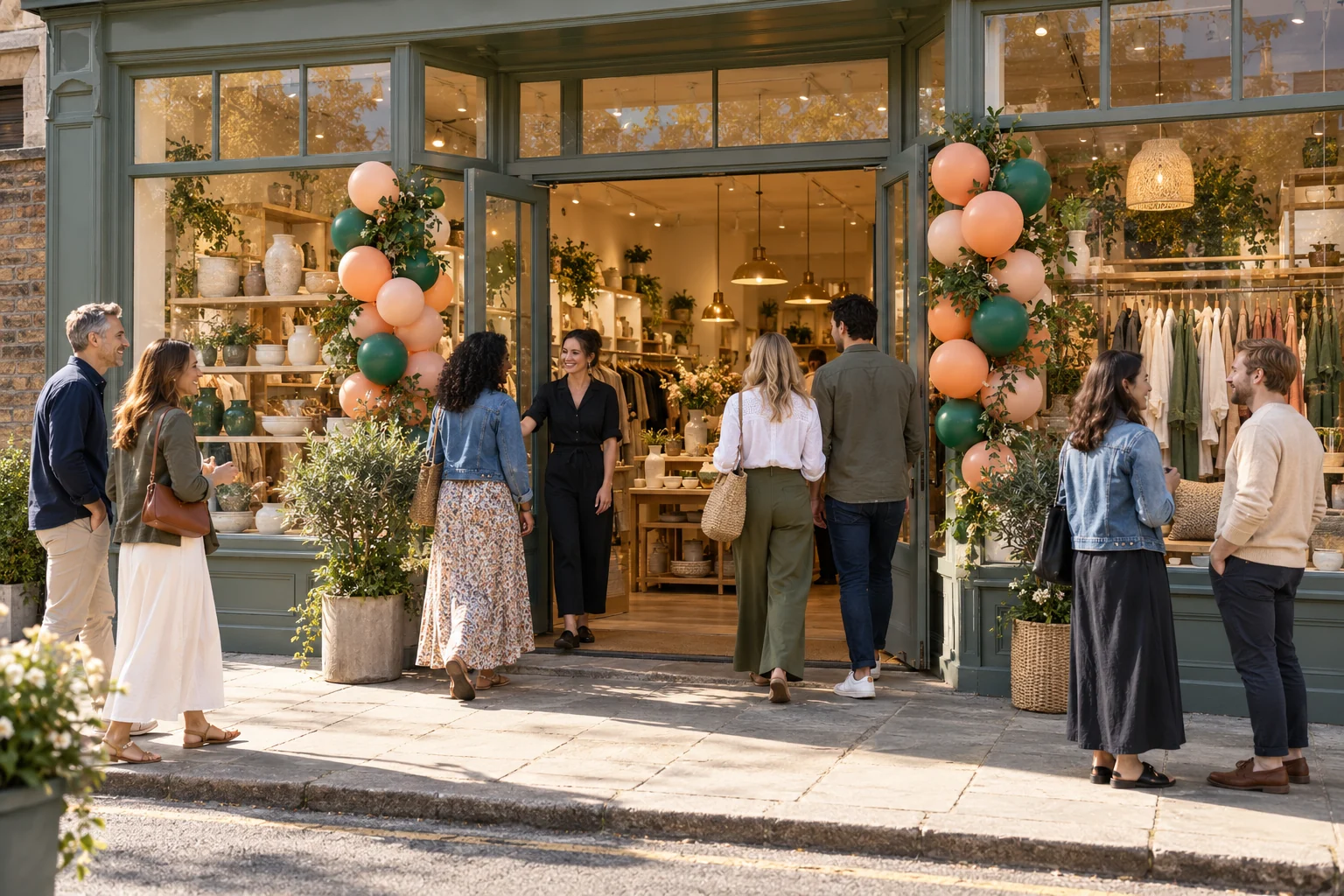
The best grand opening ideas give people a reason to visit, help them enjoy the store and make the next visit worth planning.
Combine one main experience with clear local promotion, a realistic service plan and a way to measure results. The 15 new store opening ideas below cover everything from a small neighbourhood shop to a new retail location, with practical steps and a useful measure for each.
What is a grand opening?
A grand opening is the first official day a new store or location opens to the public, usually marked with an event, an opening offer and local promotion to bring in as many first-time visitors as possible. It tells the neighbourhood the shop exists, gives people a reason to come in instead of walking past, and sets the first impression of the brand.
Many retailers hold a quieter soft opening first, to test staff, stock and systems before the store opening day.
New store opening ideas at a glance
- Make the ribbon cutting the start of the experience
- Let customers try what makes your products special
- Build a countdown that answers why, where and when
- Offer a gift or bundle with a clear cost limit
- Use a soft opening to rehearse the busy moments
- Make the entrance impossible to misunderstand
- Give the neighbourhood a meaningful reason to join in
- Create an opening with complementary local businesses
- Choose a theme customers can enjoy without dressing up
- Design a welcome that works when the shop fills up
- Give first-time shoppers a reason to come back
- Build a photo moment that still looks like your shop
- Turn product discovery into a simple scavenger hunt
- Give local media a story worth telling
- Test an opening slot that suits your neighbourhood
Start with the customer
Choose store opening ideas your shop can deliver well
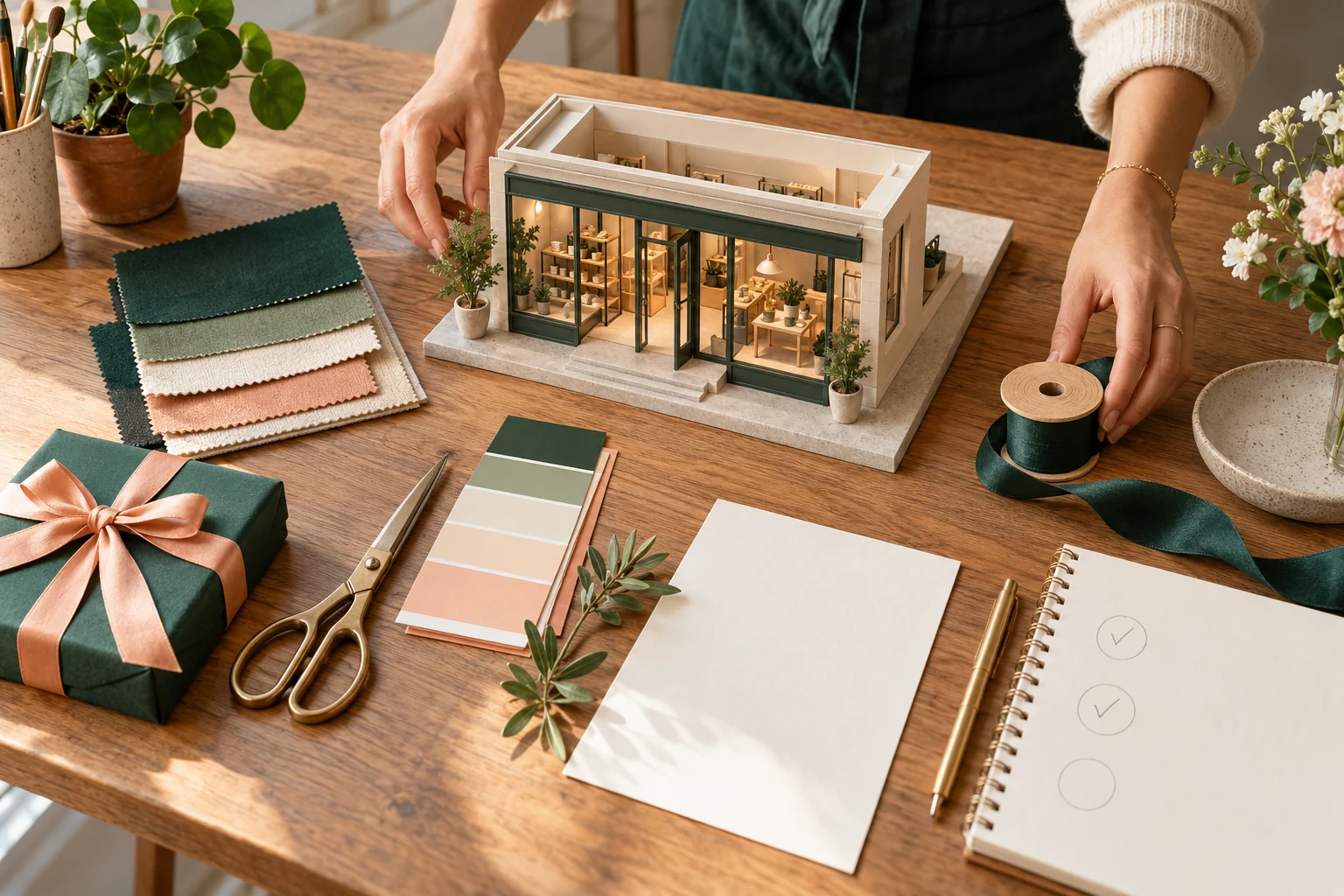
Start with the audience, space and staff you have. You do not need to run all 15 ideas. Pick one main attraction, one way to help people discover it and one reason to return. Protect the essentials: a stocked shop, helpful staff and a checkout that works.
| Your store | A useful combination | First result to review |
|---|---|---|
| Small neighbourhood shop | Ribbon cutting + local partner + welcome reward | Visits and reward use |
| Beauty, plants or homewares | Product workshop + limited gift + follow-up session | Participation and product sales |
| Fashion or lifestyle | Styling event + photo corner + after-work slot | Transactions by event hour |
| Books, toys or family retail | Discovery activity + simple route + community invitation | Completions and purchase conversion |
Opening an entire centre rather than an individual store? Use our separate shopping mall grand opening guide.
1. Make the ribbon cutting the start of the experience
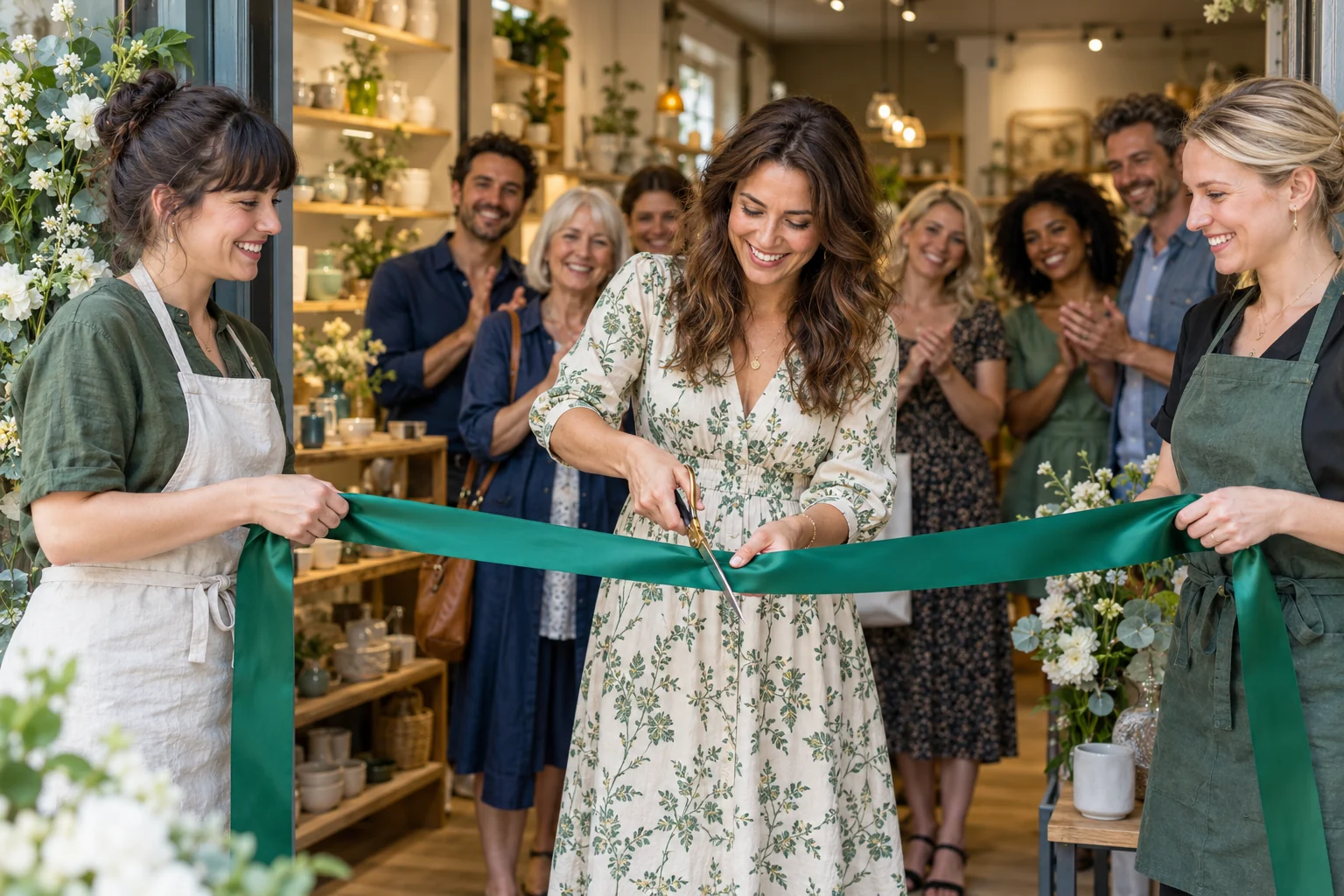
Give neighbours a specific moment to gather, then give them a reason to stay. A short ribbon cutting works well when it leads straight into a demonstration, a store tour or a first look at your products.
Choose a clear time, invite nearby businesses and local community voices, and appoint one person to welcome arrivals. Keep speeches brief and move the ribbon away immediately so the entrance stays usable.
What to measure: Record entries around the ceremony and purchases during the event window. A good photograph is useful publicity; it is not a sales result.
2. Let customers try what makes your products special

A useful experience makes your opening more memorable than a room full of decorations. Choose something customers can learn, taste or make using the products you actually sell.
Run a short terrarium workshop, a skincare demonstration or a styling session. Repeat it in small groups, prepare materials in advance and place the featured products nearby so interested visitors can shop afterwards.
What to measure: Track attendance, featured-product sales and staff time. Use a session-specific code if you want to connect a purchase to participation.
3. Build a countdown that answers why, where and when
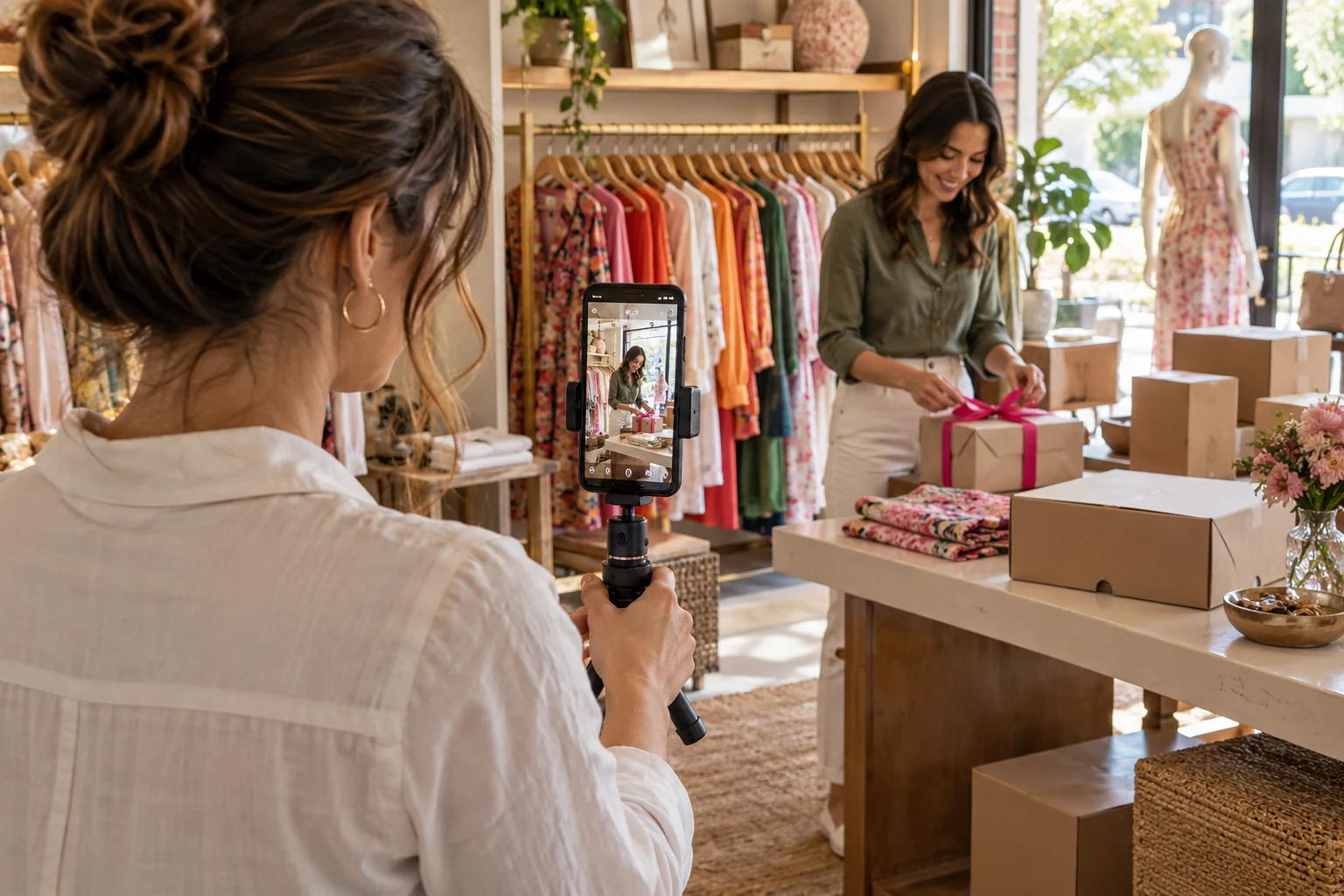
Show the people and products behind the opening. Short clips of the fit-out, first deliveries and product preparation give local shoppers a story to follow before the doors open.
Give every invitation the same date, time, address and main reason to attend. Publish a simple sequence: reveal the store, introduce the experience, explain the offer, then post the final reminder. Link to one page with the practical details.
What to measure: Use tagged links and reservation counts for online response. Ask visitors how they heard about you; social views alone do not establish store visits.
4. Offer a gift or bundle with a clear cost limit
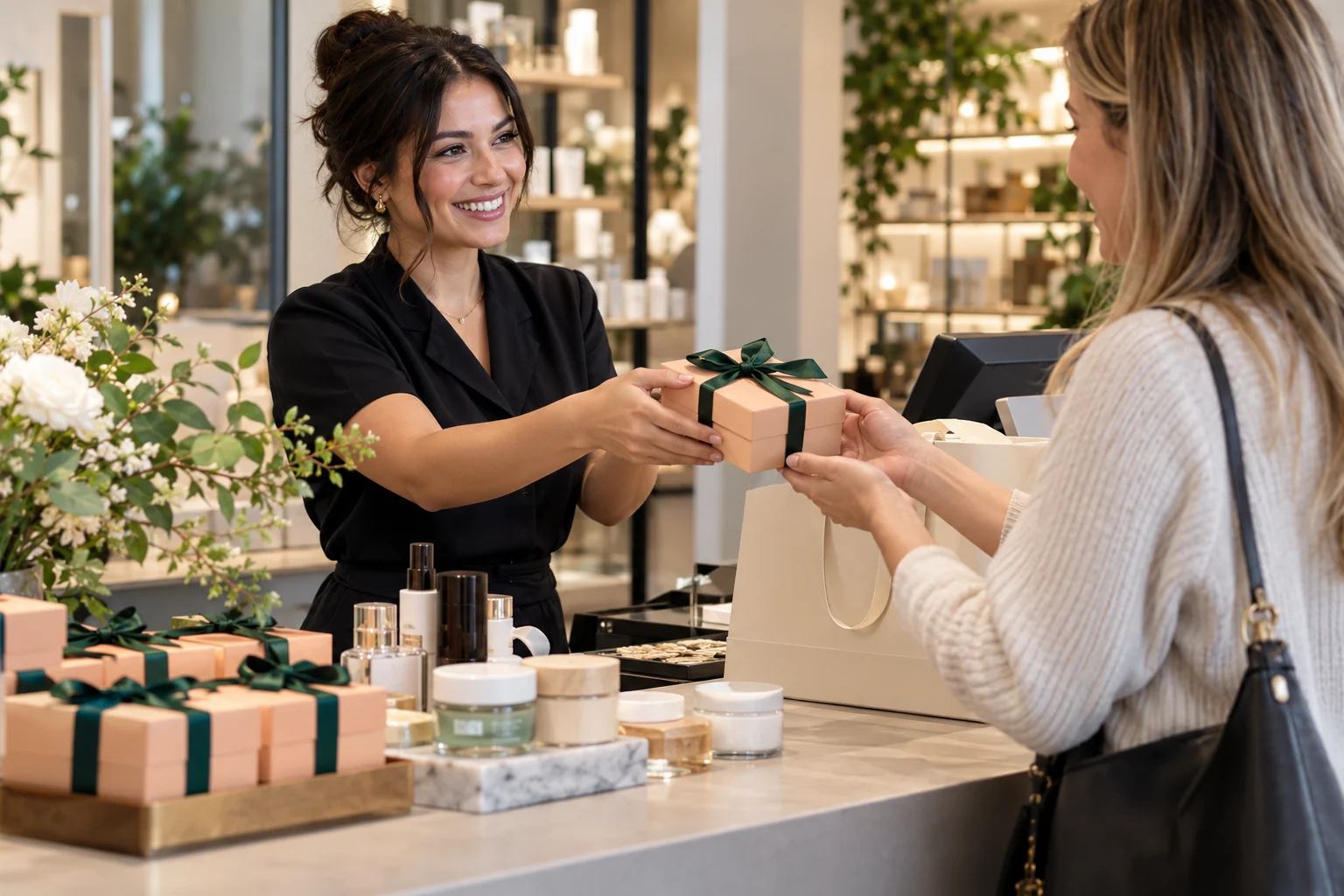
An opening offer should make the first purchase feel worthwhile while leaving enough margin to serve the customer well. A relevant sample or curated bundle can be easier to control than a store-wide discount.
For example, reserve 50 welcome gifts for qualifying purchases. State the purchase threshold, availability and end date clearly. Brief staff on the same terms and keep a running count so the offer does not outlast the stock.
What to measure: Review redemptions, net sales and contribution after product and gift costs. A higher basket value can still produce less profit.
5. Use a soft opening to rehearse the busy moments

A soft opening is a limited trial before the main public launch. Invite a small, varied group who will tell you what is confusing, slow or missing, rather than only saying that the shop looks good.
Test payments, refunds, stock lookup, accessibility and the route from entrance to checkout. Rehearse a busy period, log the problems and give each fix an owner before announcing the larger event.
What to measure: Time checkout and record unresolved issues. Treat this as an operational rehearsal, not a reliable baseline for normal customer demand.
6. Make the entrance impossible to misunderstand
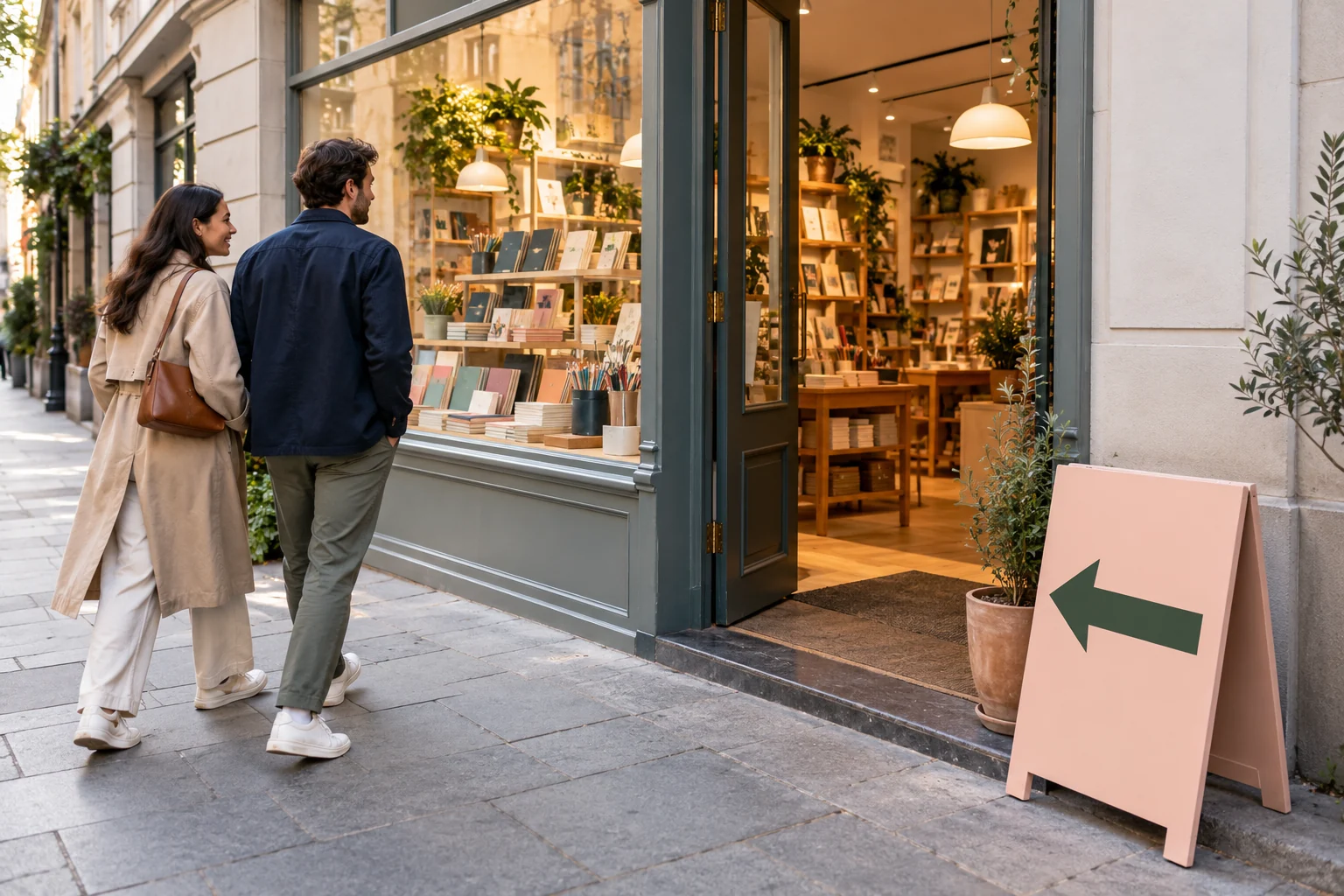
Your invitation may bring someone to the street, but the storefront still has to help them find you. Use one clear opening message and a visible route into the shop.
Check the view from both walking directions. Make the date and entrance easy to identify, keep the window focused on a few products and place any permitted pavement sign without blocking the route. Test the arrangement from a customer’s eye level.
What to measure: Where storefront measurement is configured, compare entries with passers-by during the same hours. Note weather, nearby events and changes in signage.
7. Give the neighbourhood a meaningful reason to join in
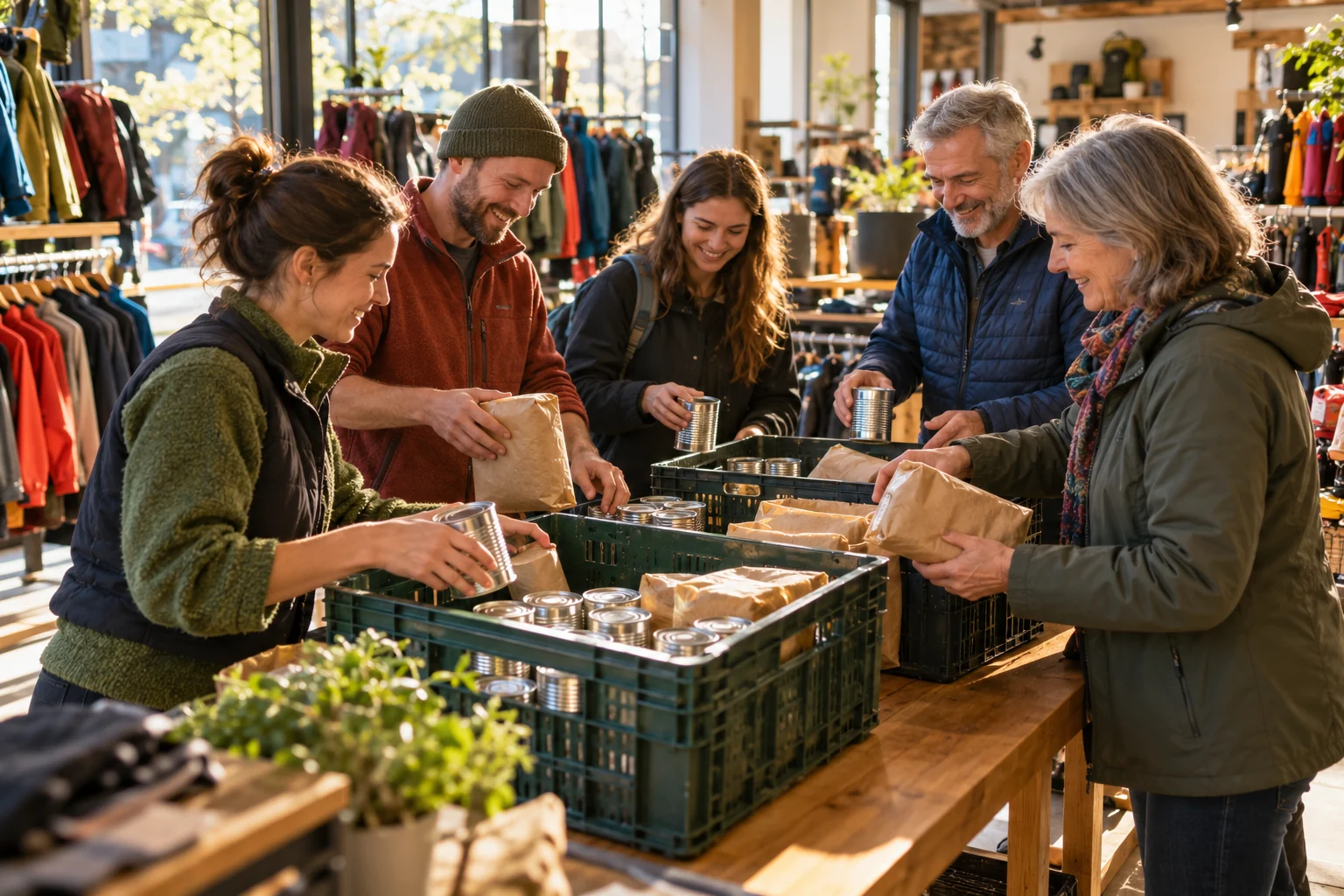
A local cause can give the opening a purpose that continues after the celebration. Choose a partnership that fits your neighbourhood and that you can explain simply.
Agree a collection or contribution with the organisation in advance. Explain exactly what will be given and when. Give the activity its own space so visitors can participate without slowing the entrance or checkout, then share the confirmed outcome afterwards.
What to measure: Record the agreed contribution or accepted items and follow through. Keep that result separate from sales and marketing performance.
8. Create an opening with complementary local businesses
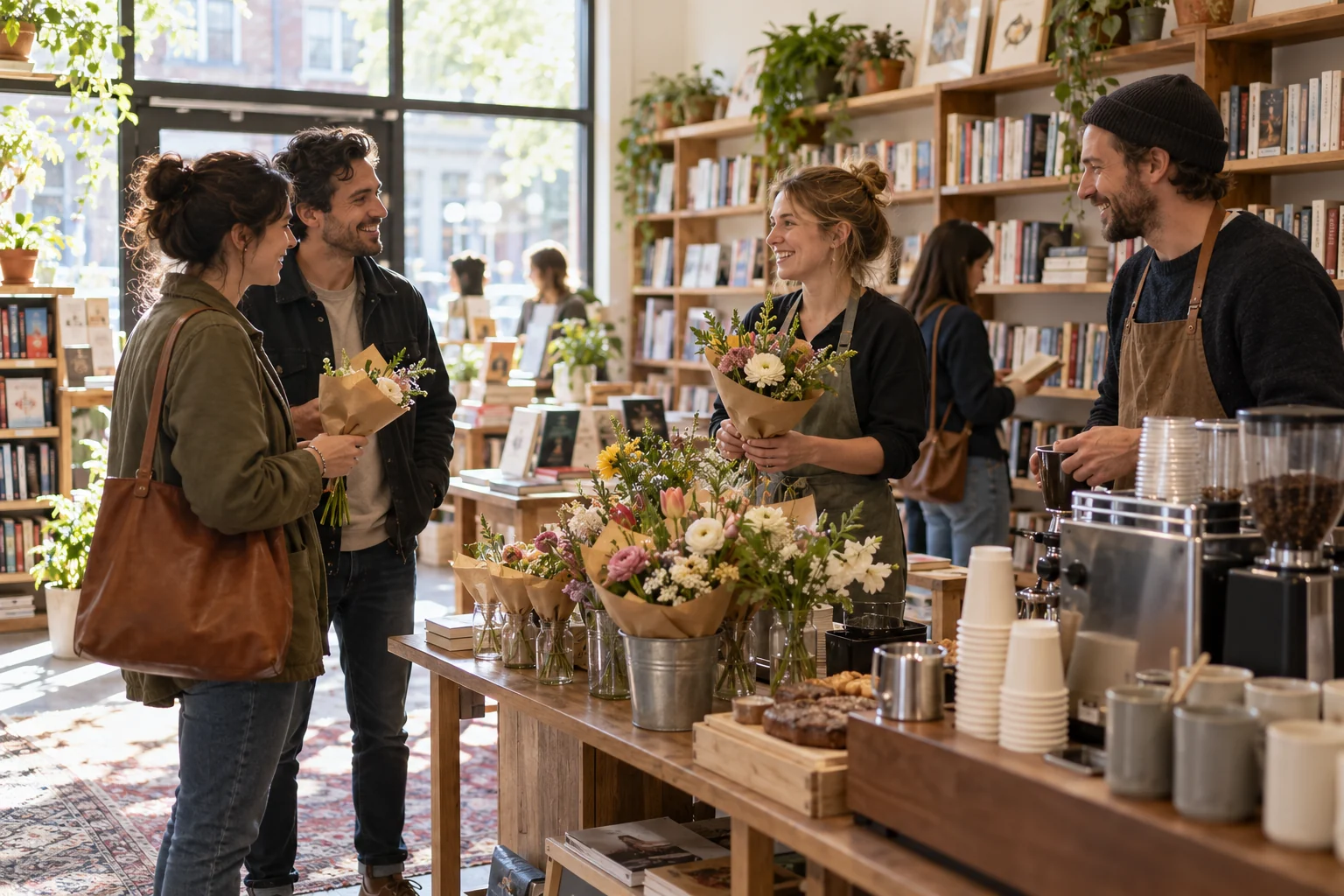
A nearby business can introduce your shop to customers who already spend time in the area. The strongest pairings make sense together: books and coffee, flowers and homewares, or sportswear and a local studio.
Agree one shared invitation and a simple experience. Decide who supplies equipment, staff and stock, and what happens if turnout is lower or higher than expected. Give each partner a distinct referral code.
What to measure: Count partner-code redemptions and attributable purchases. Judge each collaboration by customer fit as well as attendance.
9. Choose a theme customers can enjoy without dressing up
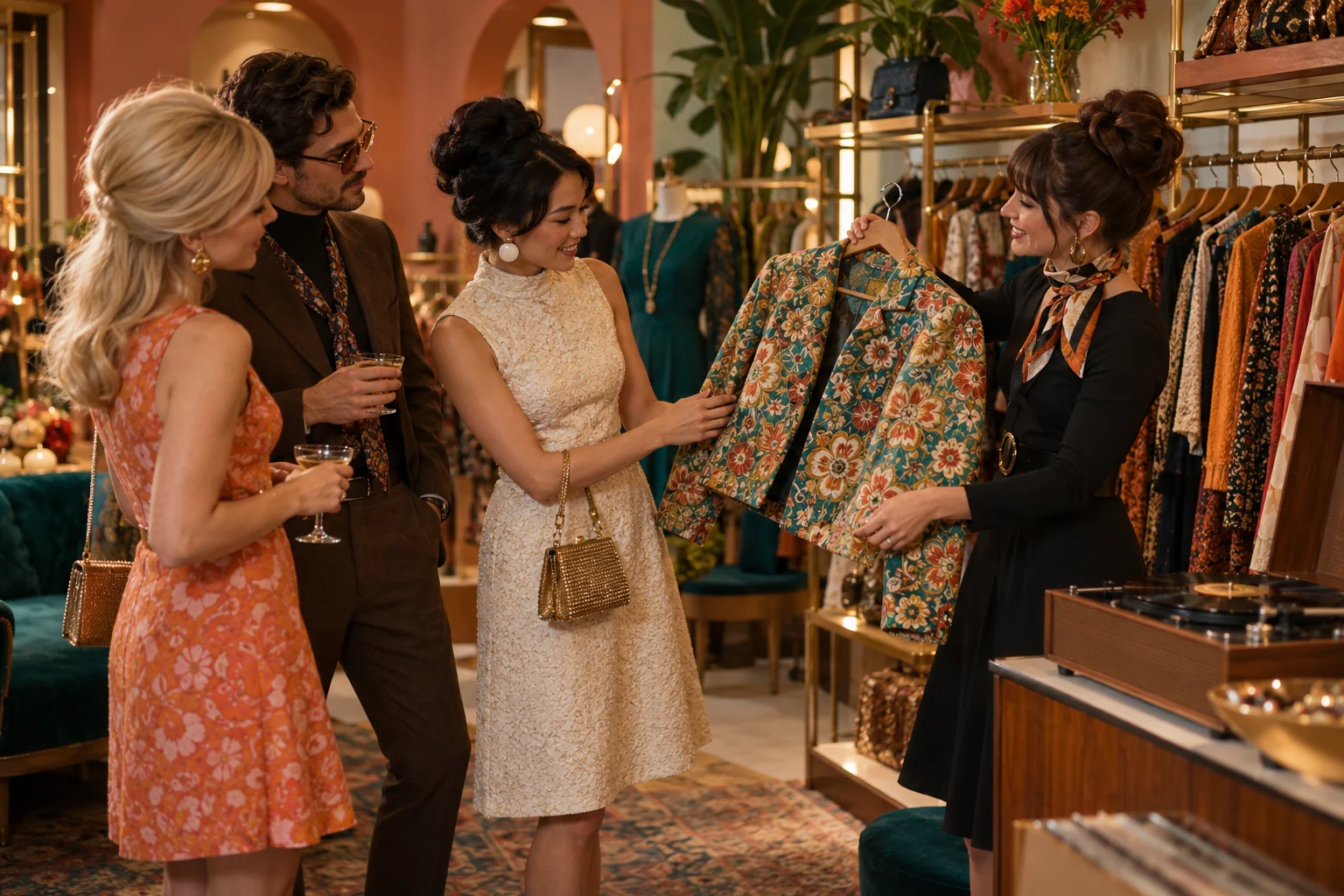
A recognisable theme gives your opening visual character. Let your products lead: a vintage styling evening, a garden-inspired homewares launch or a colour-focused beauty event.
Carry the theme through the display, staff styling and one participatory activity. Make guest dress-up optional so nobody feels they need a costume to enter. Leave enough space and attention for ordinary shopping.
What to measure: Review engagement with the featured collection and its sales. Decorations should support product discovery and service, not consume the whole budget.
10. Design a welcome that works when the shop fills up
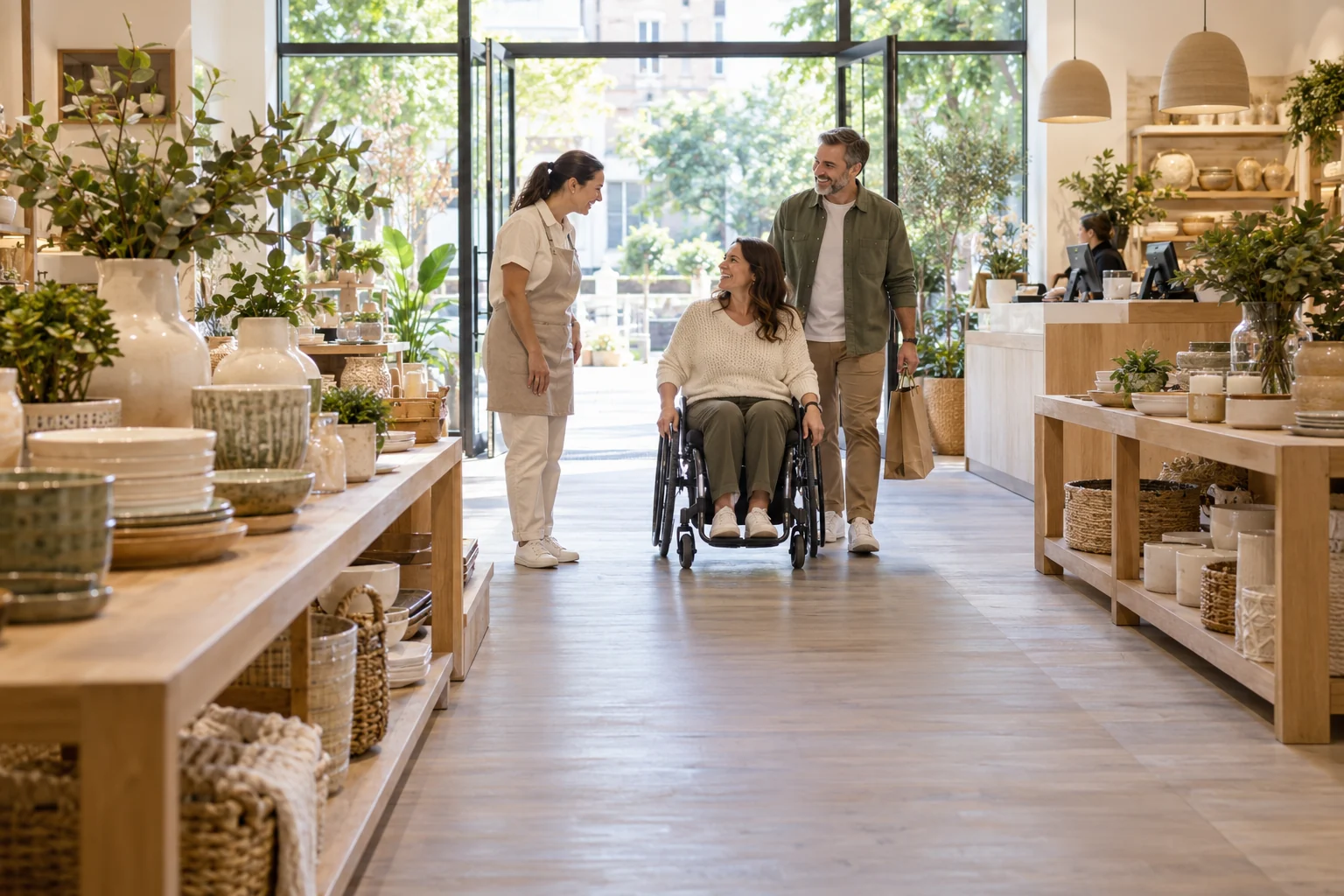
The most valuable opening-day detail may be a calm greeting and an easy route to the right product. Give the team a service plan as clear as the promotional plan.
Assign greeting, product help, checkout and replenishment roles. Keep entrances and aisles clear, provide an accessible route and position activities away from the payment queue. Rehearse what staff should do when a queue starts building.
What to measure: Review hourly visits alongside purchase conversion, queue observations and stock availability. A sales dip during a traffic peak deserves investigation.
11. Give first-time shoppers a reason to come back
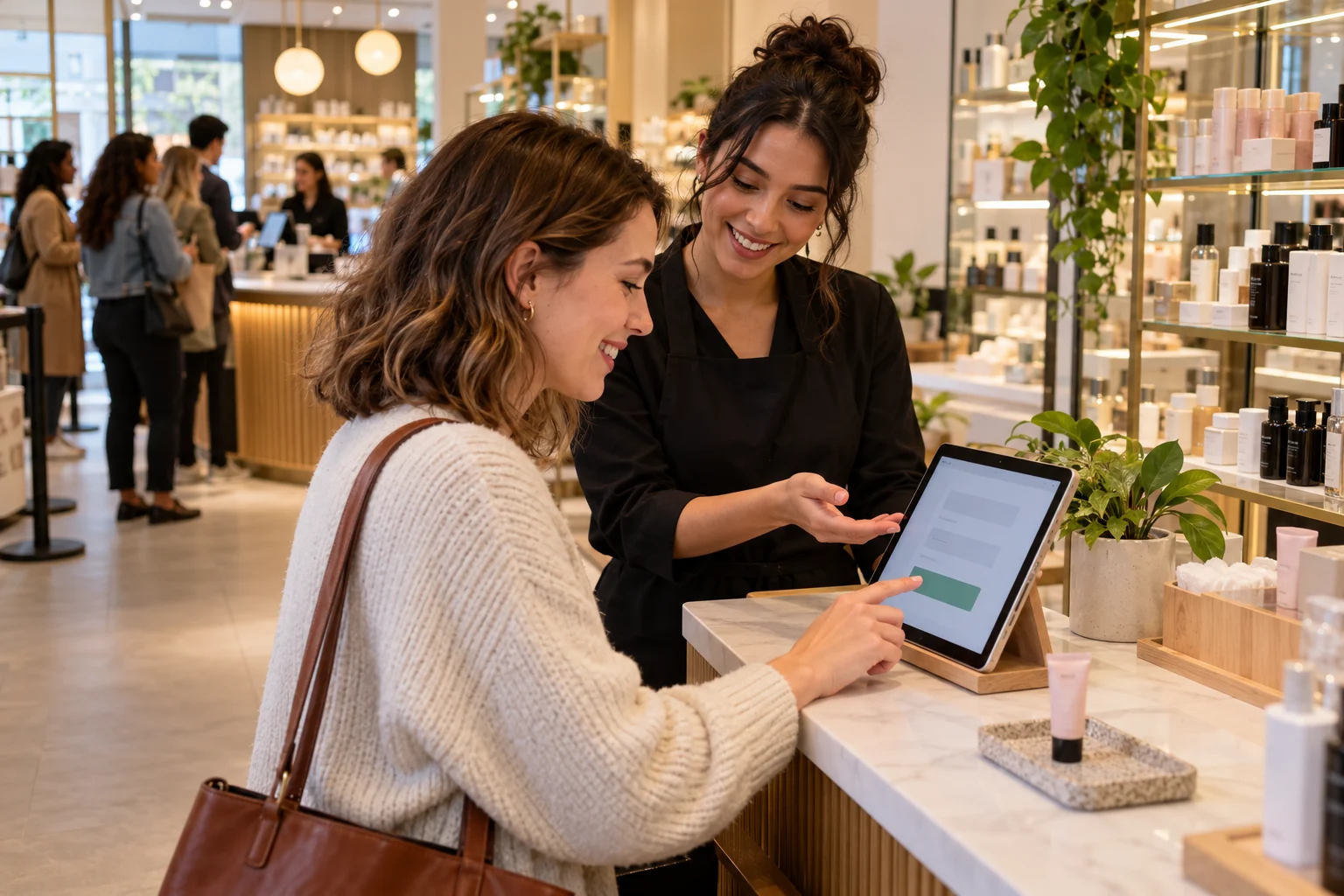
Plan the second visit before the first one happens. A loyalty invitation is stronger when the benefit is specific, such as a future workshop, early collection access or a welcome reward.
Keep enrolment short and voluntary, explain how contact details will be used, and offer help at a side counter so checkout keeps moving. Choose a relevant follow-up date and clearly explain any reward conditions.
What to measure: Track enrolments and later reward use in your loyalty or POS system. Entrance counts alone cannot identify which opening-day customers returned.
12. Build a photo moment that still looks like your shop
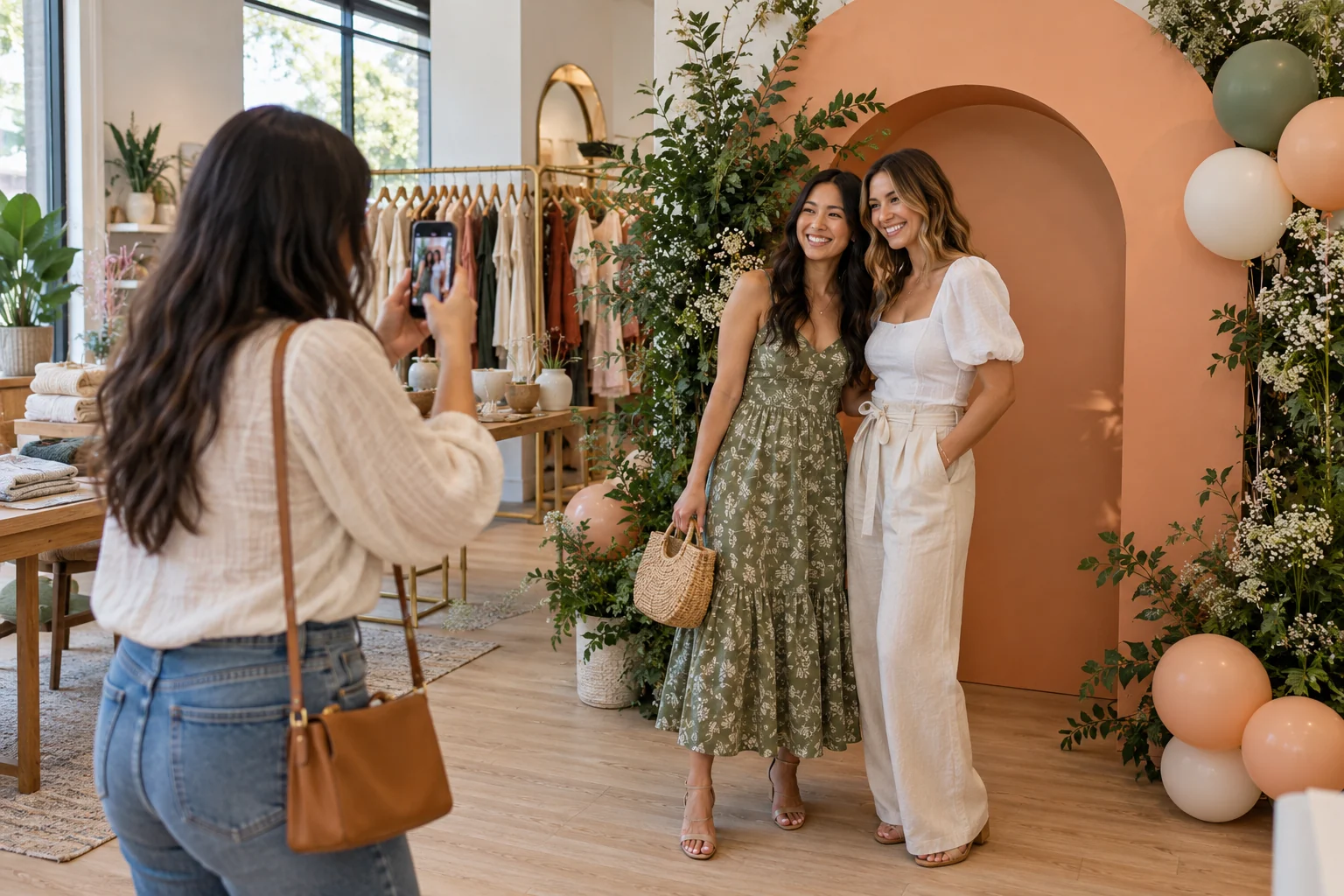
Give visitors an attractive place to take a photo without turning the whole store into a photo set. Use your materials, colours and a recognisable product detail so the image feels connected to the brand.
Place the backdrop where daylight is flattering and the queue will not obstruct browsing. Make your store handle easy to find nearby, and ask permission before reusing a customer’s picture in your own marketing.
What to measure: Record permitted user-generated content and enquiries it produces. Treat sharing as awareness evidence, not a direct count of sales.
13. Turn product discovery into a simple scavenger hunt

A short hunt can encourage visitors to discover the parts of the store they might otherwise miss. Build it around your range rather than unrelated clues.
Use three to five easy-to-reach stations with pictures or short clues. Let children participate with an adult, avoid hiding anything near exits or fragile displays, and offer a modest completion reward at a separate desk.
What to measure: Count starts and completions, then review sales of featured products separately. A completed activity does not automatically mean an additional purchase.
14. Give local media a story worth telling

A useful press invitation explains why the opening matters locally. Lead with something concrete: a maker’s first shop, an unusual service, a restored space or a neighbourhood partnership.
Send a short personal pitch with the opening details, a strong image and a named contact. Offer a quiet preview slot for photographs or interviews, and make the founder available when promised.
What to measure: Record coverage, referral traffic and customer-reported sources. Follow any promising attention through to visits and enquiries rather than relying on audience estimates.
15. Test an opening slot that suits your neighbourhood
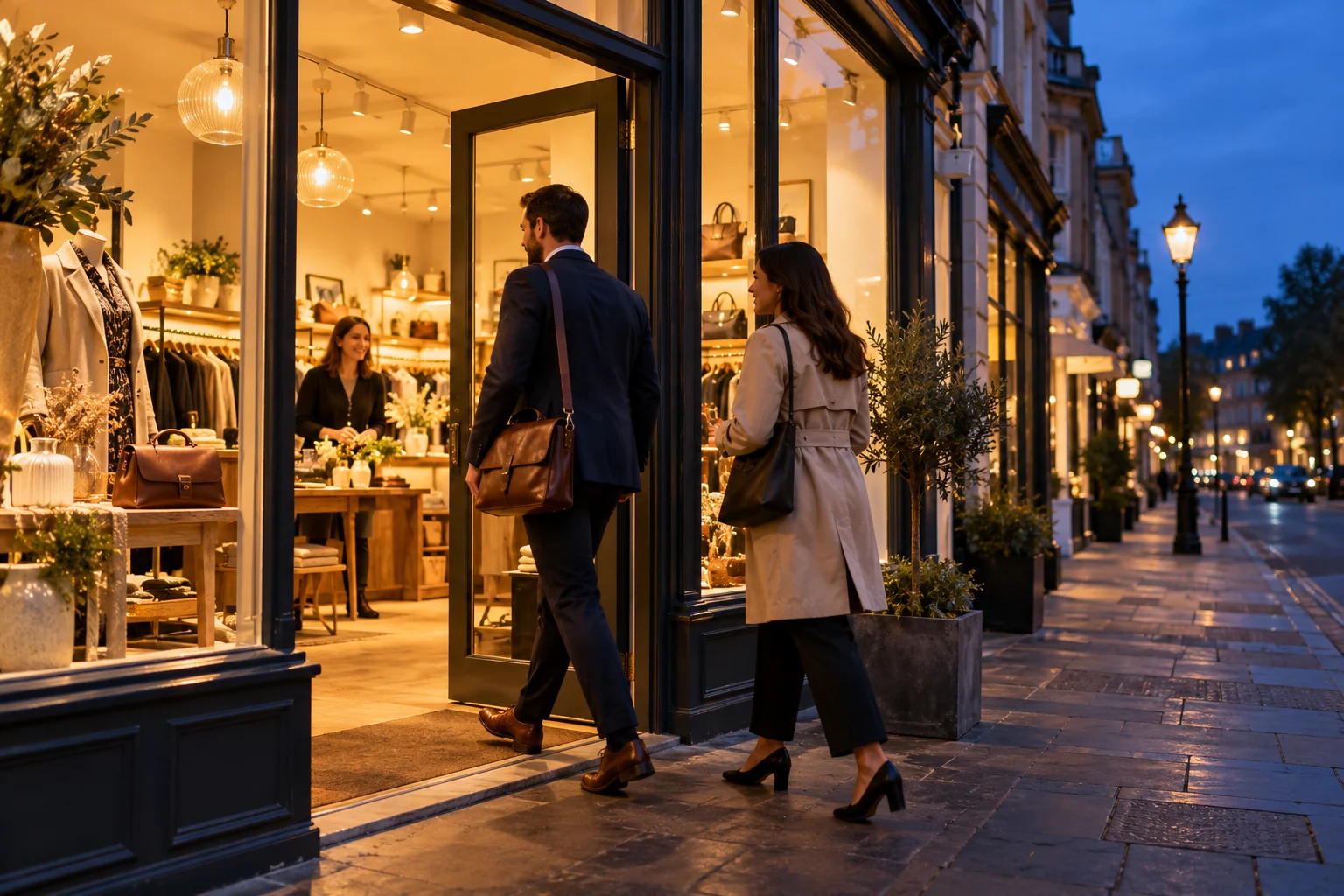
Longer hours can reach customers who cannot attend during the day, but they also add staffing and operating costs. Choose a specific extra window instead of extending every day by default.
Try an after-work preview or a quieter morning session if it fits local demand and permitted trading hours. Advertise the exact slot, staff it properly and keep enough stock available for later arrivals.
What to measure: Compare visits, transactions and contribution in the extra hours with their incremental operating cost. Test again after launch excitement has settled before changing regular hours.
From preparation to follow-up
A practical grand opening checklist
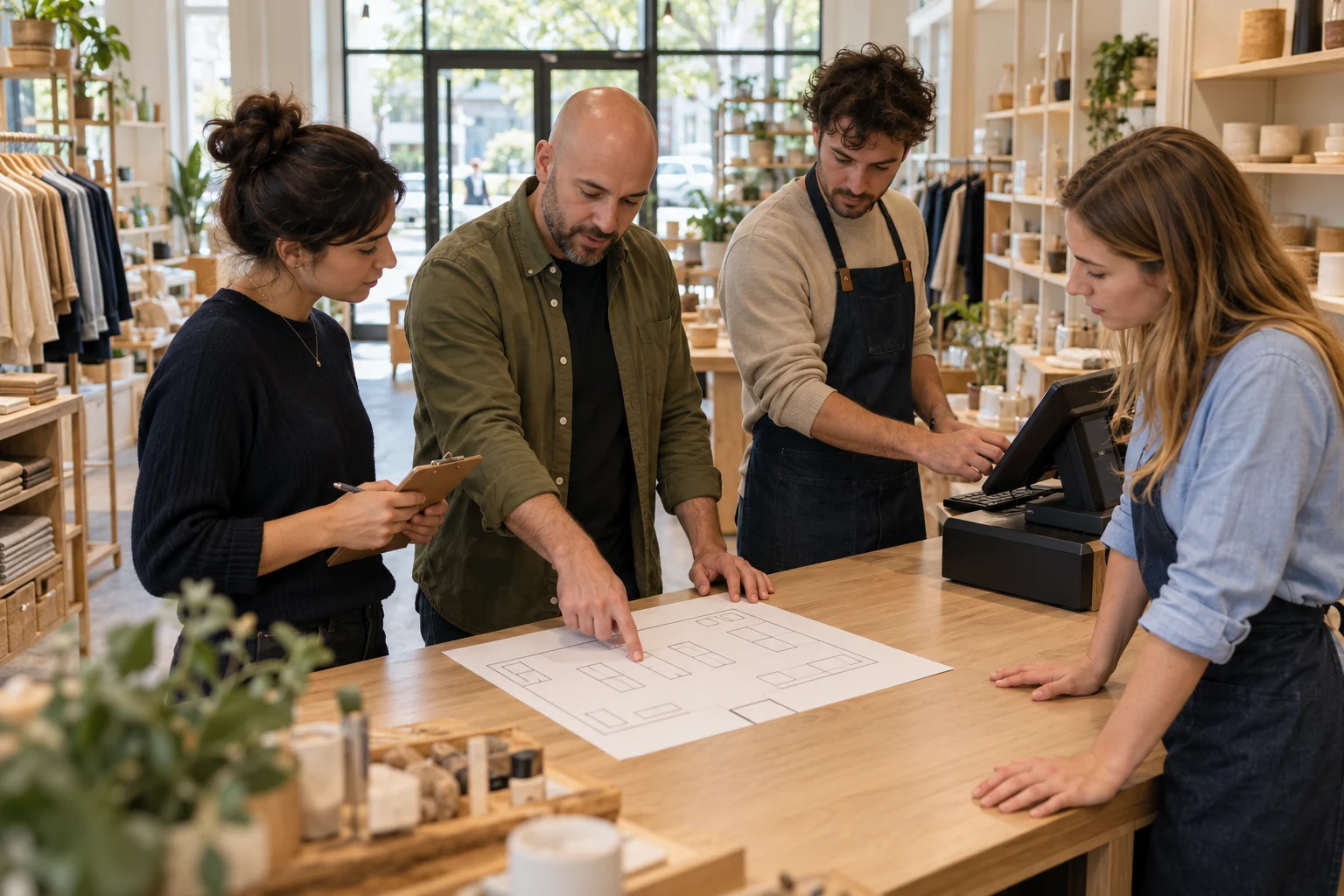
Work backwards from the date and give every task an owner. Leave enough time between the soft opening and the main event to fix the issues you uncover.
- 6–8 weeks beforeChoose the audience, main experience, date and spending limit. Set targets for visits, purchase transactions and follow-up participation. Confirm partners and any venue requirements.
- 3–4 weeks beforePrepare the invitation, window message, gifts and stock. Contact local media and partners. Agree the event schedule and who will cover each role.
- 1–2 weeks beforeRehearse with a soft opening. Test payments, connectivity, access routes and visitor counting. Fix problems, confirm staff cover and start the final reminders.
- Opening dayBrief the team, check stock and equipment, record event timings and review demand by hour. Keep one person responsible for reacting to queues and service problems.
- The following monthSend the promised follow-up to customers who opted in. Review matched trading hours, purchases and reward redemptions. Keep what worked and revise one weak point at a time.
Set the budget before choosing the extras
Include staff time, promotion, materials, gifts and a reserve. For an illustrative £1,000 budget, you might allocate £350 to the experience and materials, £250 to additional staffing, £150 to local promotion, £150 to gifts and £100 to contingency. These are planning assumptions, not supplier quotes or a recommended minimum.
Keep the opening budget separate from your fit-out and routine stock costs. If money is tight, simplify the event before reducing service cover.
Measure what the opening achieved
How to measure your grand opening’s success
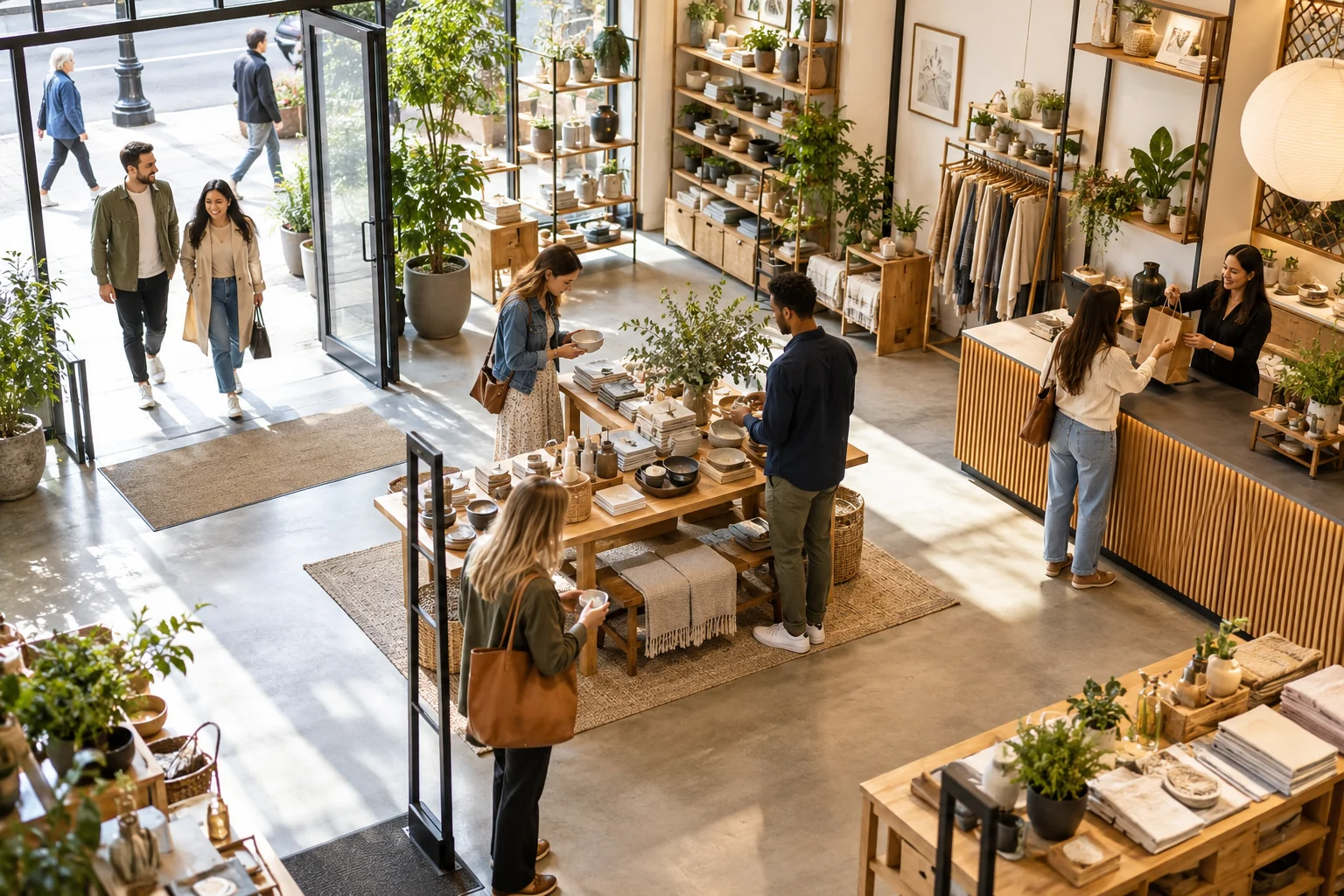
A full shop is a useful signal, but it cannot tell you how many visitors purchased or returned later. Build your review around three questions: did people enter, did purchase transactions keep pace, and what happened after the launch? To set up the counting side, see how to measure foot traffic and how a foot traffic counter records entries and exits.
| Measure | Calculation | Data you need |
|---|---|---|
| Entrance visits | Eligible entries during the chosen hours | Validated entrance counting with fixed exclusion rules |
| Storefront capture | Relevant entries ÷ measured passers-by × 100 | Aligned entrance and storefront coverage |
| Purchase conversion | Eligible purchase transactions ÷ eligible visits × 100 | Entrance counts and matching POS transactions |
| Sales per visit | Net sales ÷ eligible visits | Matching visit and net-sales data |
| Follow-up response | Reward redemptions or later identified purchases | A suitable loyalty, offer-code or POS record |
A worked example for one opening day
Assume the same measured trading hours produce 4,000 passers-by, 600 eligible entrance visits, 90 purchase transactions and £4,500 in net sales. The entrance and pavement measurements cover the same storefront opportunity.
Illustrative figures only. These are aggregate ratios, not evidence that individual pedestrians were tracked through to a purchase.
Keep the definitions consistent. Eligible visits are qualifying entry events, not necessarily unique people. Agree staff, delivery and repeat-entry rules before launch. Use purchase receipts excluding cancellations and return-only receipts; define net sales consistently after discounts and refunds, excluding tax. Match the store, hours and timezone. Mark a ratio N/A when its denominator is missing or zero.
How to compare a store that has no normal trading baseline
A brand-new store cannot compare opening day with a typical week at the same location. Start with your pre-agreed targets and, where available, cautiously use comparable stores. Track weeks two to four using the same weekdays and hours, while noting promotions, weather and stock availability.
A decline after launch does not prove failure, and sustained traffic does not identify returning customers. Use loyalty or purchase records for repeat-customer analysis. To estimate campaign return, you also need costs, contribution and a defensible estimate of what would have happened without the campaign.
V-Count Nano AI measures entrance traffic with up to 99% counting accuracy under suitable deployment conditions. Storefront analytics adds the outside opportunity where coverage is configured. BoostBI brings traffic and compatible sales data into the reporting workflow. Validate the setup before the event.
For the next level of detail, see our guides to retail purchase conversion and measuring in-store marketing campaigns.
Questions before you open
Grand opening FAQ

What is the best day for a grand opening?
Choose the day your intended customers can attend and your team can serve them well. An after-work event may suit a commuter area; a weekend session may suit family shopping. Check the local pattern and competing events before committing.
How far ahead should I promote the opening?
A practical starting point is to share the main invitation three to four weeks ahead, followed by product previews and reminders. Allow longer for partners, press or bookable activities. Confirm the date and operational readiness before making promises.
What are good low-budget grand opening ideas?
Combine a short ribbon cutting, a staff-led product demonstration, local partner invitations and a simple return-visit reward. Use your existing products and expertise, cap gift quantities and spend first on a smooth shopping experience.
Should I hold a soft opening first?
A soft opening is useful when you need to test the store with a smaller invited group. Use it to resolve service and operational problems. The grand opening is the wider public invitation and can take place after normal trading has begun.
Do I need a discount to attract customers?
No. Early access, a useful workshop, a complementary gift or an opportunity to meet the maker can provide a clear reason to visit. Choose an offer your target customer values and that your margins can support.
How do I know whether the opening worked?
Review visits, for example counted by V-Count’s Nano AI sensors, purchase transactions, net sales and event costs against your goals. Then check follow-up participation and comparable trading hours over the next month. Use loyalty or POS evidence for repeat purchases; a people counter alone cannot establish customer retention.