By David Miller · V-Count retail insights · Updated 8 October 2026
50 ideas. A measurable Black Friday plan.
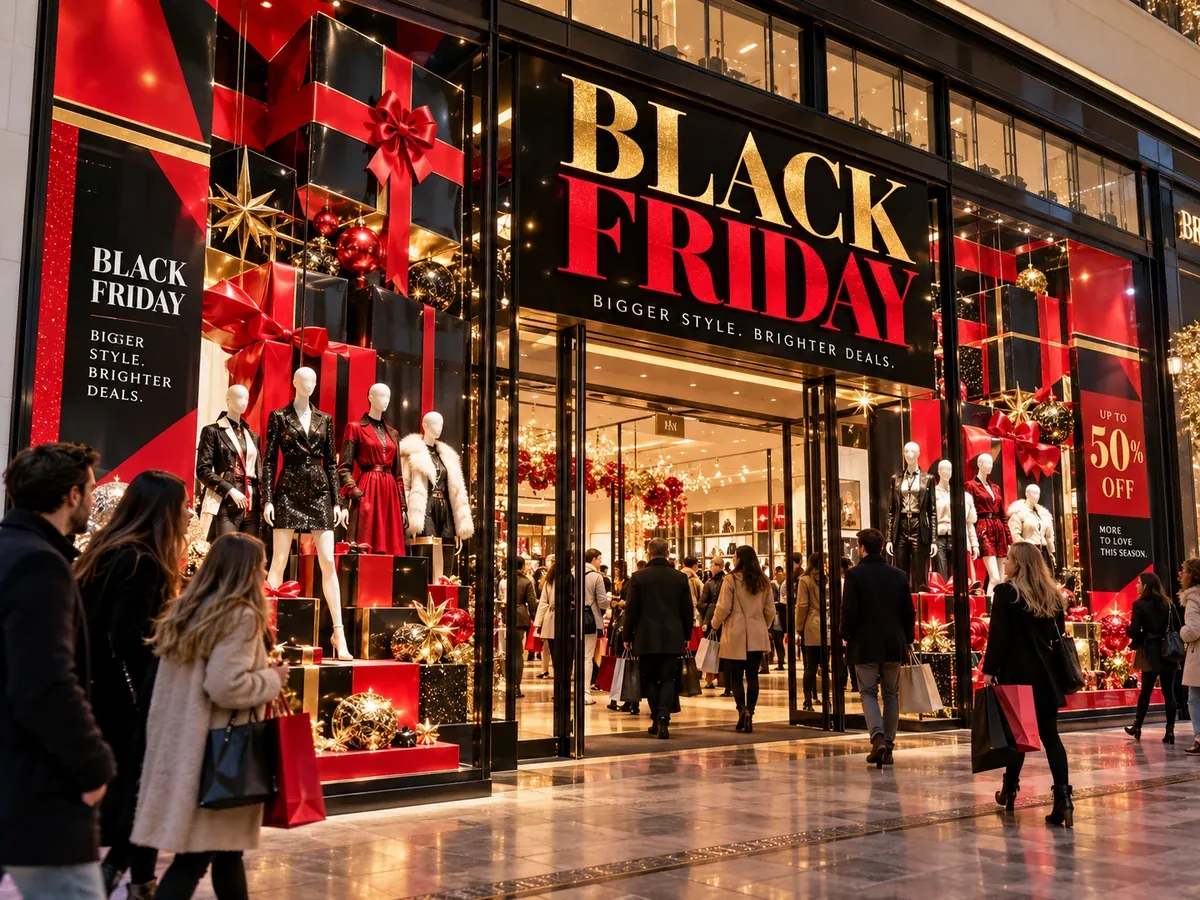
The best Black Friday ideas for retail stores pair a clear offer with enough service capacity to convert the crowd. Choose a focused mix of bundles, early access, faster checkout and demand-based staffing, then measure traffic, conversion and margin. These 50 practical ideas help physical stores plan the full 2026 weekend.
Black Friday falls on Friday, 27 November 2026. Plan staffing, inventory, queues and campaign measurement for the full weekend rather than treating Friday as an isolated event; especially where Saturday trading can be equally important.
Start here
How should a retail store approach Black Friday 2026?
The strongest Black Friday store plan combines a compelling reason to visit, a fast path to purchase, enough staff for the actual traffic curve, and a measurement plan that separates traffic from conversion. Pick a small number of tactics that match your store format, set the baseline before the event, and review performance by hour; not only by the final daily sales total.
- Build one clear reason to visit, not ten competing messages.
- Protect the path to purchase with faster queues, pickup routes and clearer service points.
- Review performance by hour, not only by the daily sales total.
- Use measurement to separate traffic, capture, conversion and basket size.
Choose the right Black Friday ideas for your store
Useful Black Friday ideas for retail stores combine a reason to visit, a service plan for the rush and a way to measure the result. Start with one offer, one operational improvement and one primary KPI. Then select supporting tactics from the 50 ideas below.
- Small specialty stores: combine curated bundles (idea 3), VIP early access (12) and clear checkout wayfinding (21). Review basket value, margin and peak-hour conversion.
- Fashion and beauty: pair demonstrations or fitting-room support (34 and 36) with gift solutions (39). Check stock availability and service pressure alongside sales.
- High-consideration stores: use appointment shopping (35) and a product-availability desk (19). Track attendance and purchase outcomes through your booking and POS records.
- High-volume or omnichannel stores: prioritize pickup routing (17), express checkout (18) and replenishment (25). Monitor waits and throughput before adding another traffic-driving offer.
For each selected idea, write down the owner, stock requirement, launch time, cost limit and measurement source. The effort and lead-time labels are planning estimates; confirm them against your own team and systems.
Measurement note: Anonymous people counts describe visits, not identified customers. Loyalty, referral, repeat-purchase and assisted-conversion metrics require suitable POS, CRM, booking records or observation. Queue departures and incremental sales need validated definitions or clearly labelled estimates. Treat the retail scenes and diagrams as concept illustrations.
Black Friday retail ideas
Offers & urgency
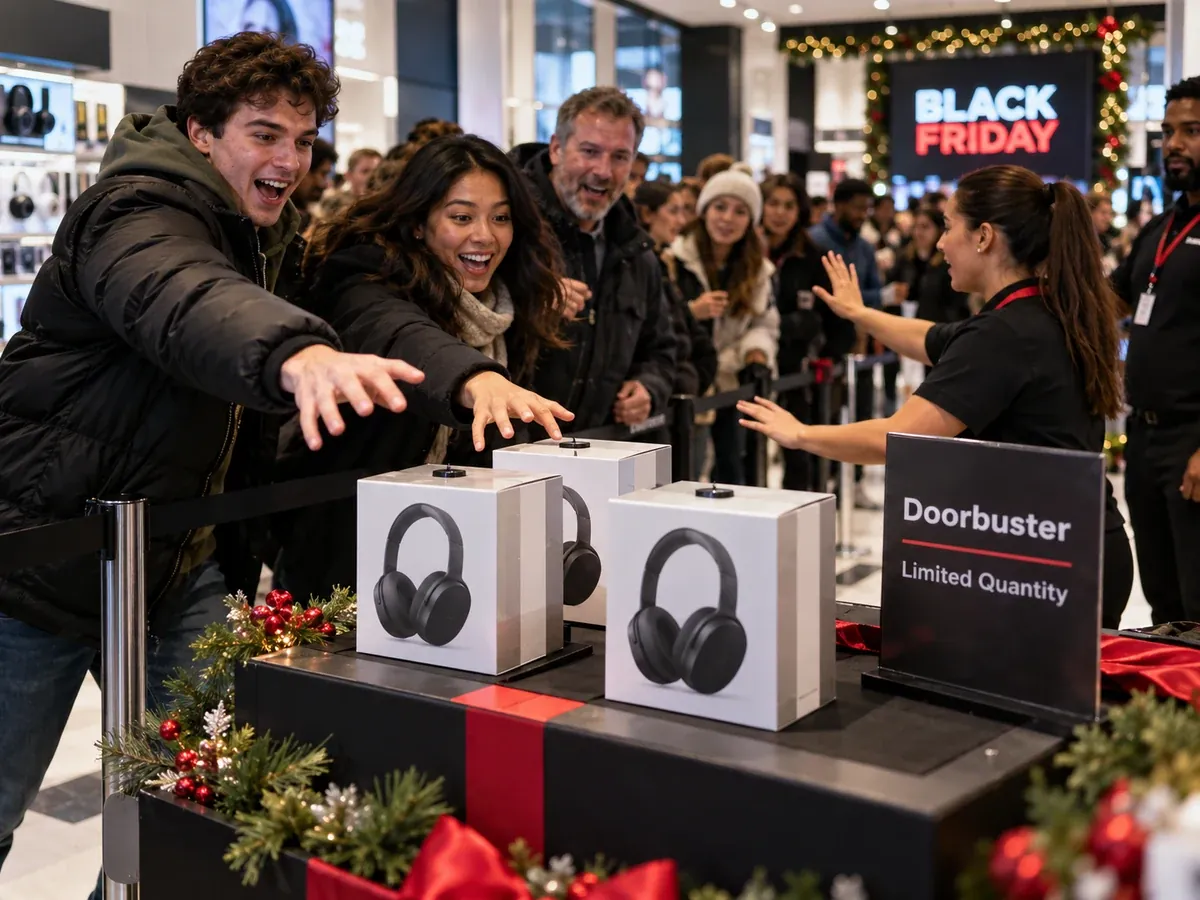
1. Run a limited-quantity doorbuster
Choose one genuinely attractive product or bundle, cap the quantity, and make the availability window clear before doors open. The tactic works best when the offer is simple enough to understand in seconds and stock is positioned for fast replenishment.
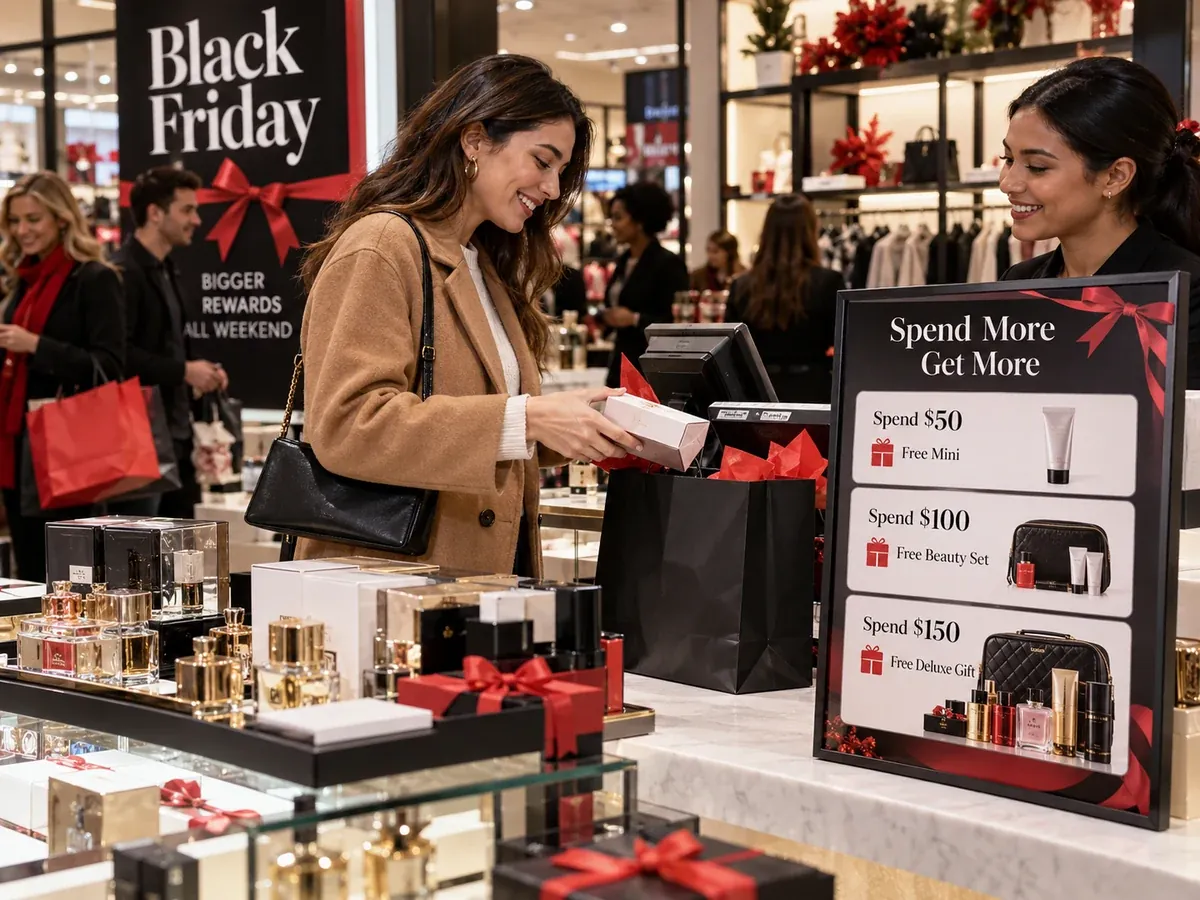
2. Use tiered spend thresholds
Create two or three easy-to-remember spend levels so the next reward feels reachable. Keep the steps far enough apart to influence basket building without making the offer difficult for staff to explain.
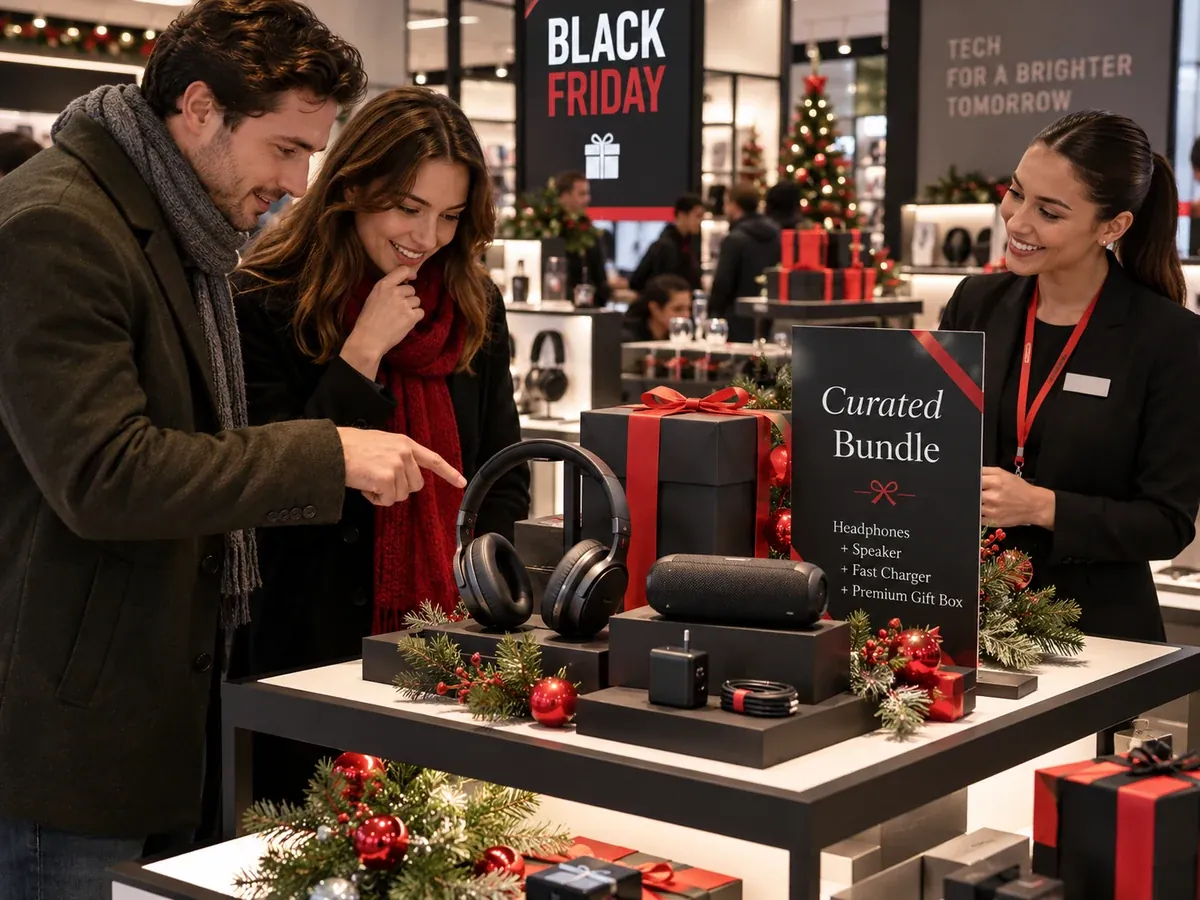
3. Build curated Black Friday bundles
Package complementary products into a clear solution rather than discounting every item independently. Curated bundles make comparison easier, create a stronger gift story and can protect margin when the perceived value is higher than the discount alone.
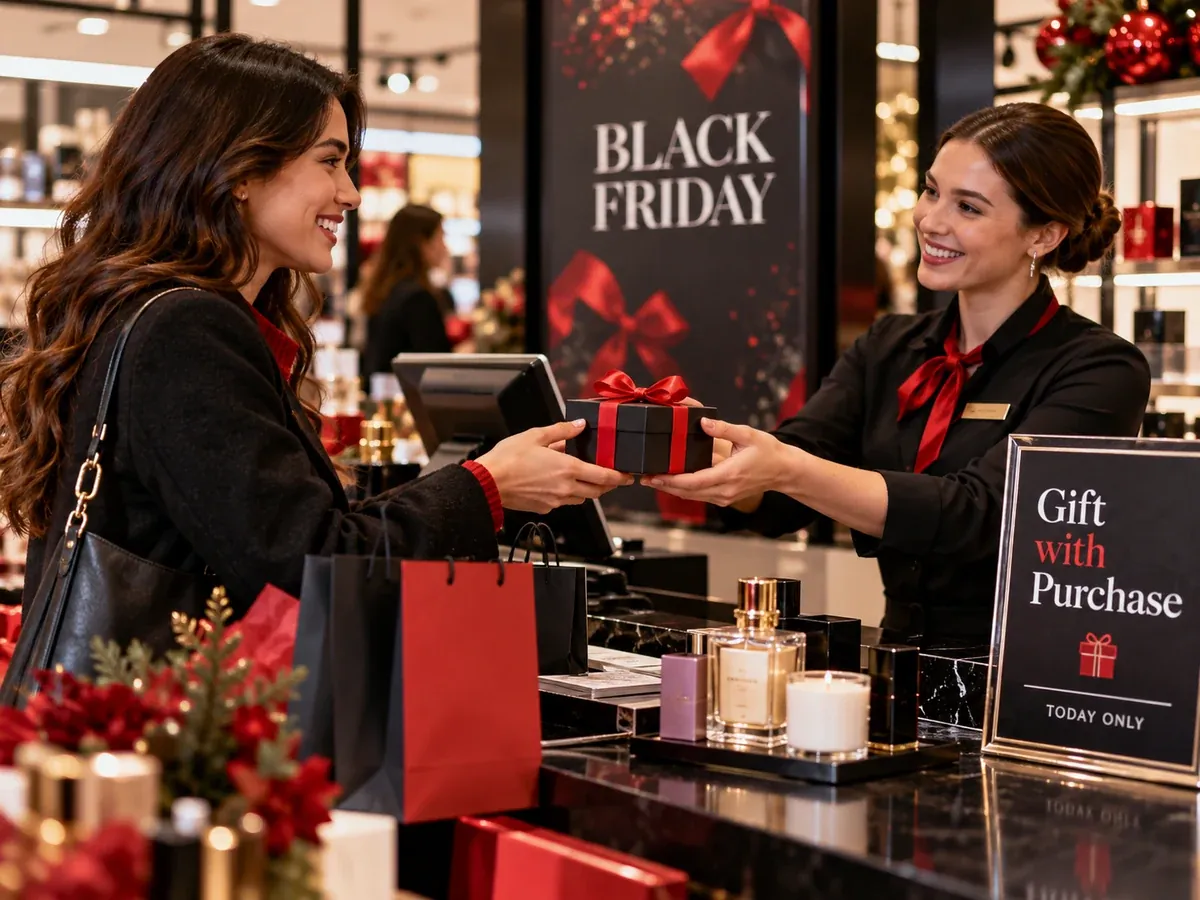
4. Offer a gift with purchase
Use a relevant, limited gift to reward the behaviour you want: purchase, category spend or a defined basket threshold. Display the gift physically so shoppers understand the value before checkout.
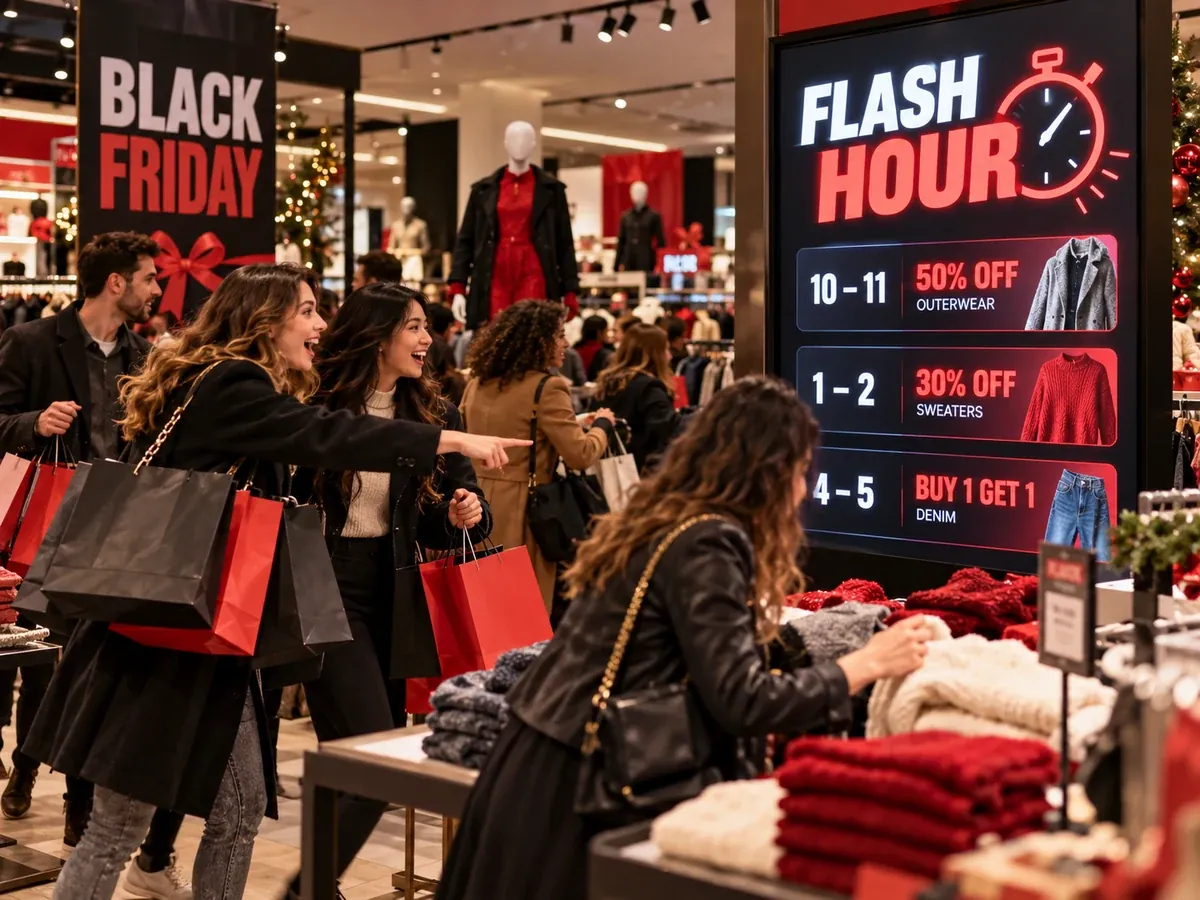
5. Schedule short flash-hour offers
Run a small number of clearly timed offers in hours you want to strengthen rather than discounting the entire day. Publish the windows in advance and give store teams a simple activation checklist.
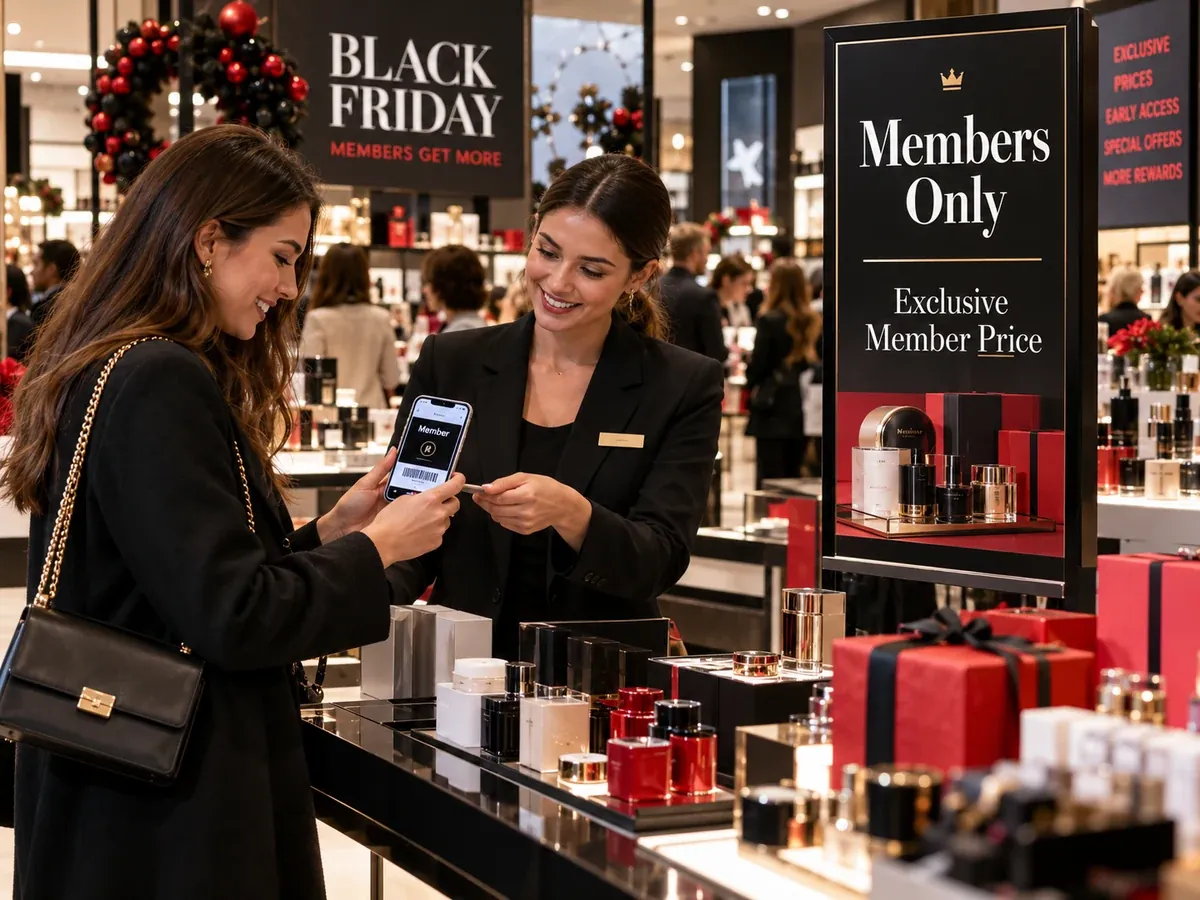
6. Create member-only Black Friday pricing
Reserve selected prices or bundles for members and make sign-up fast enough to complete in store. The offer should feel meaningfully different without making non-members feel blocked from shopping.
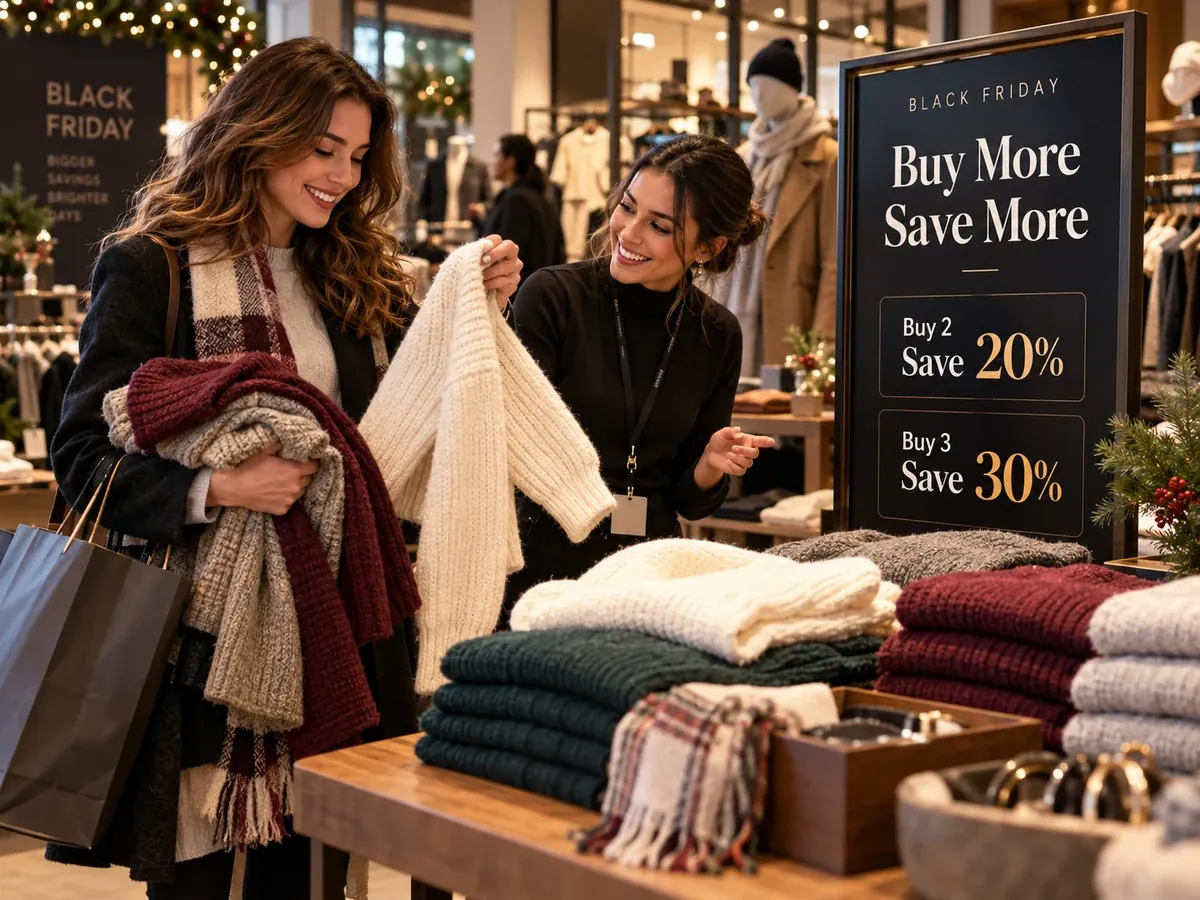
7. Use buy-more-save-more mechanics
Apply a simple progression such as one item, two items and three items rather than stacking many coupon rules. Use it where customers naturally buy multiples or complementary products.
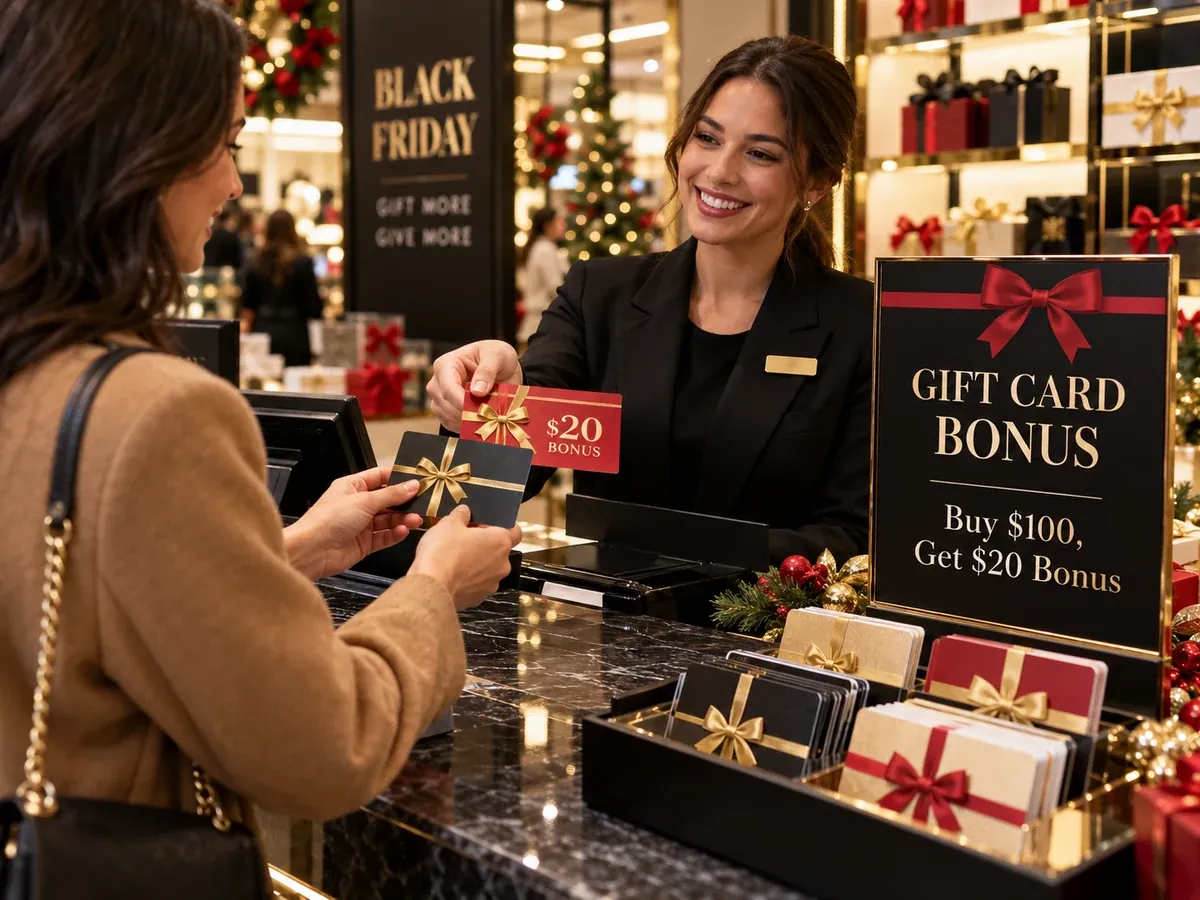
8. Add a bonus to gift-card purchases
Offer a controlled bonus when a shopper buys a gift card above a threshold. Set redemption dates and exclusions clearly so the bonus encourages a return visit after the holiday rush.
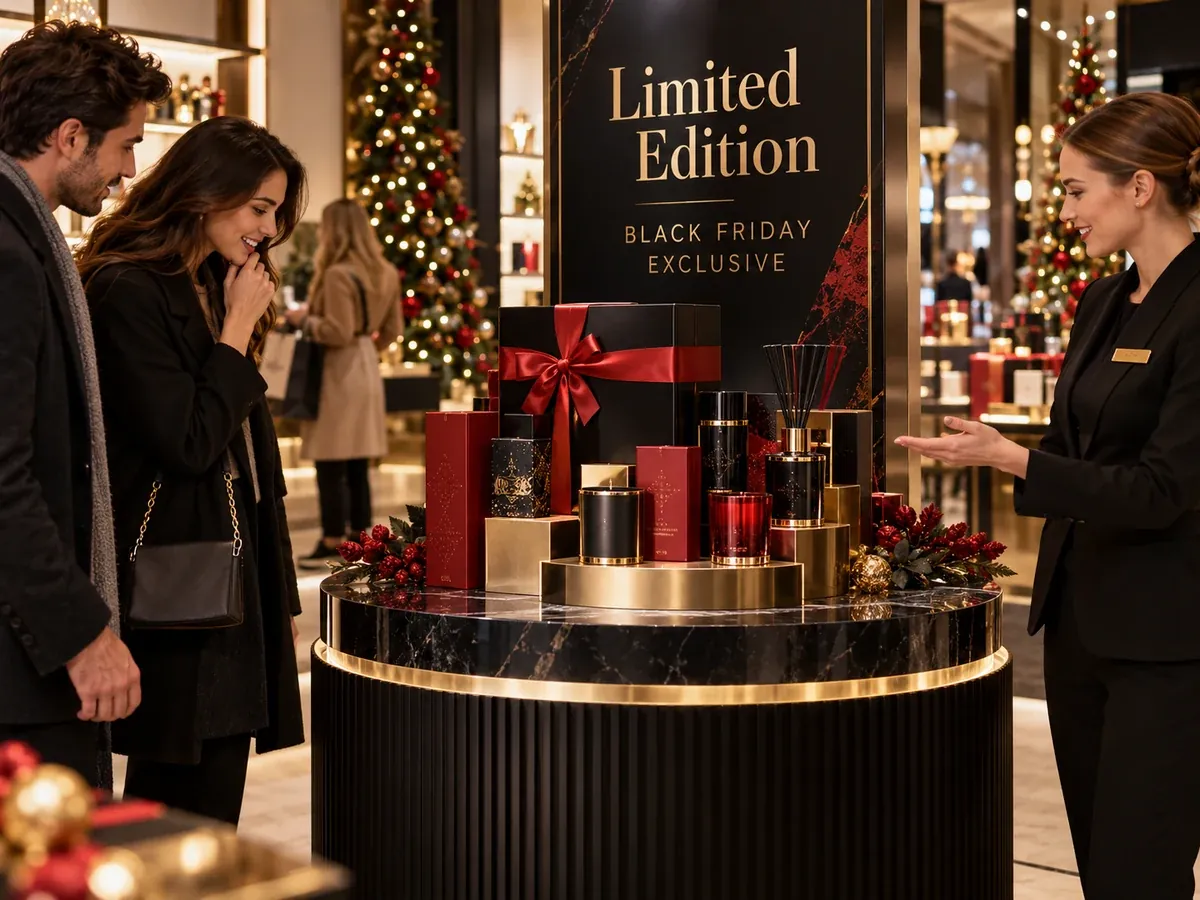
9. Launch a limited Black Friday edition
Use a genuinely limited colourway, bundle, packaging treatment or service configuration when your category supports it. Scarcity works best when the difference is visible and the quantity is believable.
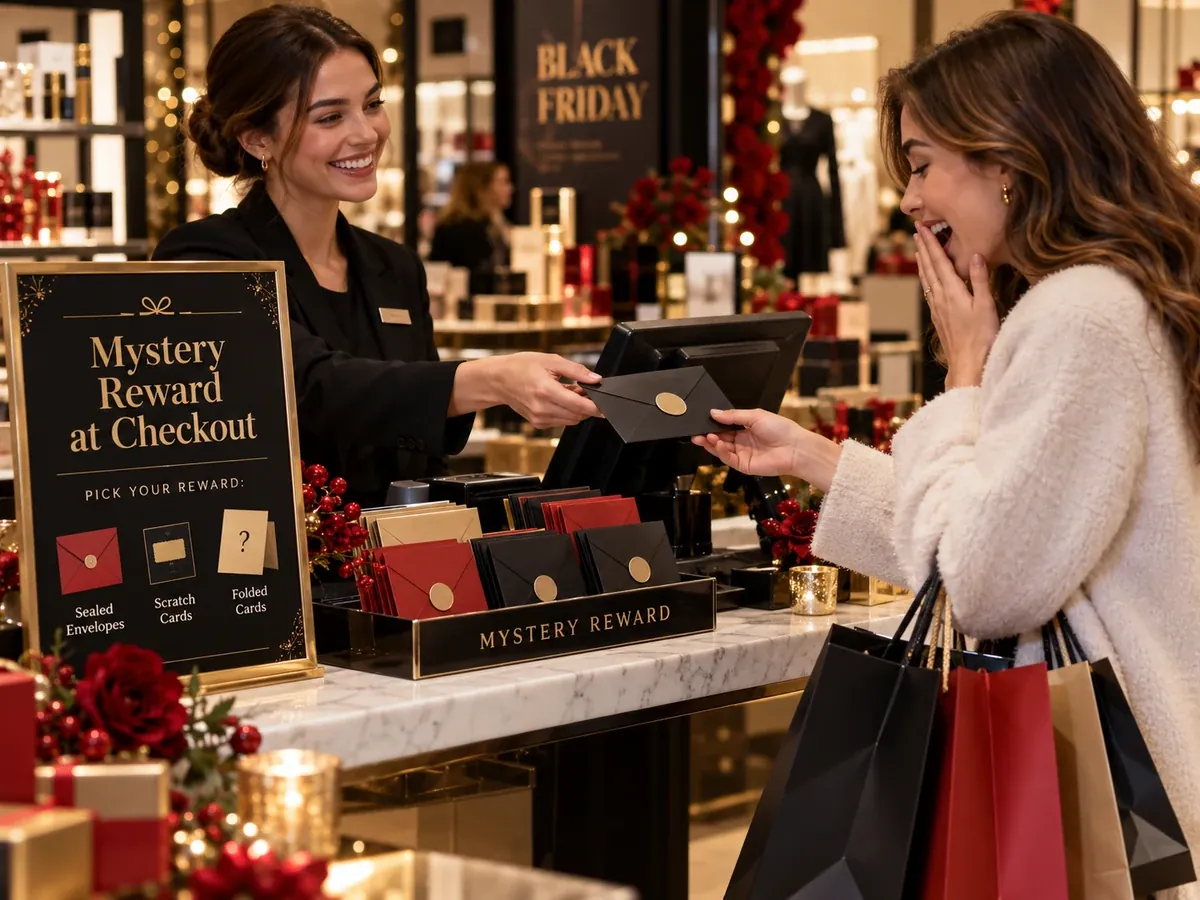
10. Use a mystery reward at checkout
Give qualifying purchases a sealed or digital reward that can be used later. Keep the mechanics simple and make the possible reward range transparent enough to feel credible.
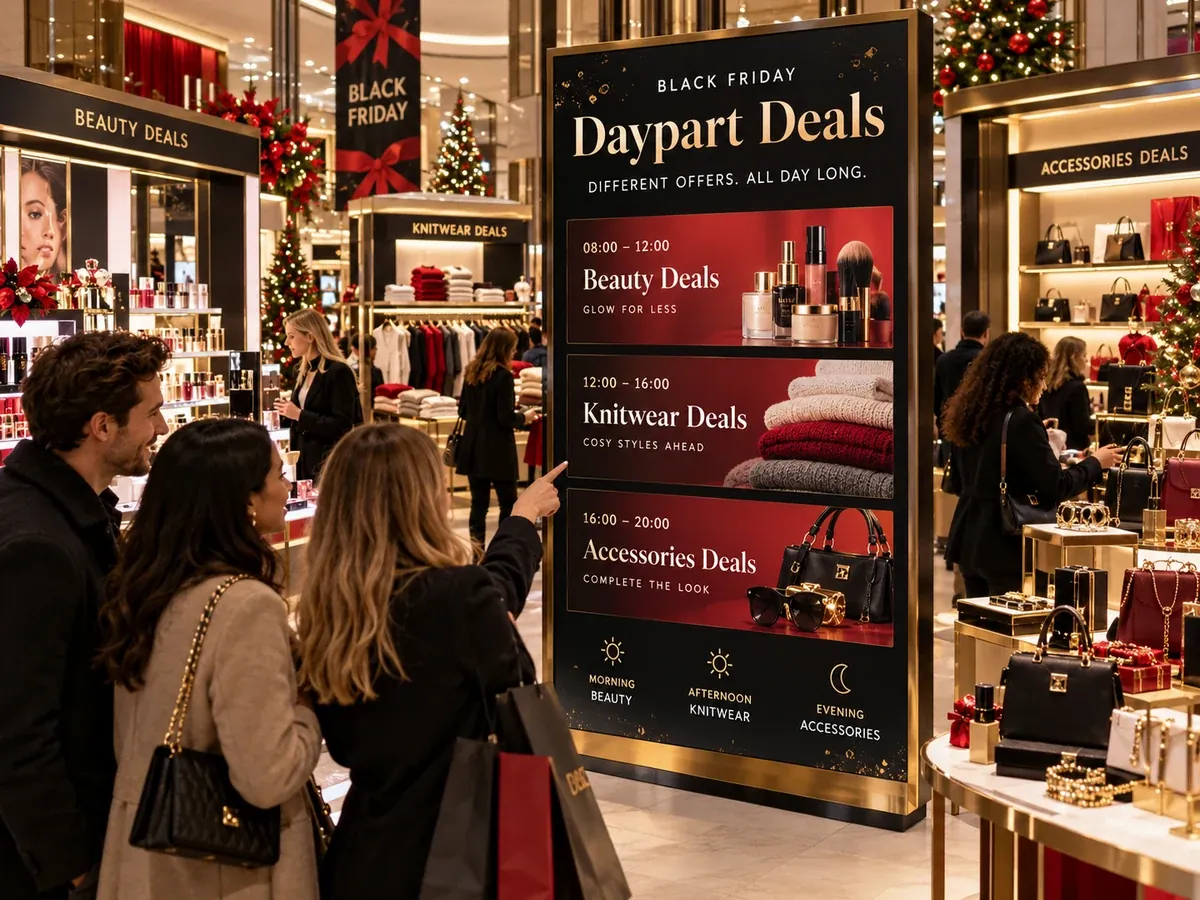
11. Rotate category offers by daypart
Match category offers to the customer missions you normally see across the day. For example, early hours may favour planned purchases while evening periods may respond better to gifting or impulse categories.
Black Friday retail ideas
Traffic & anticipation
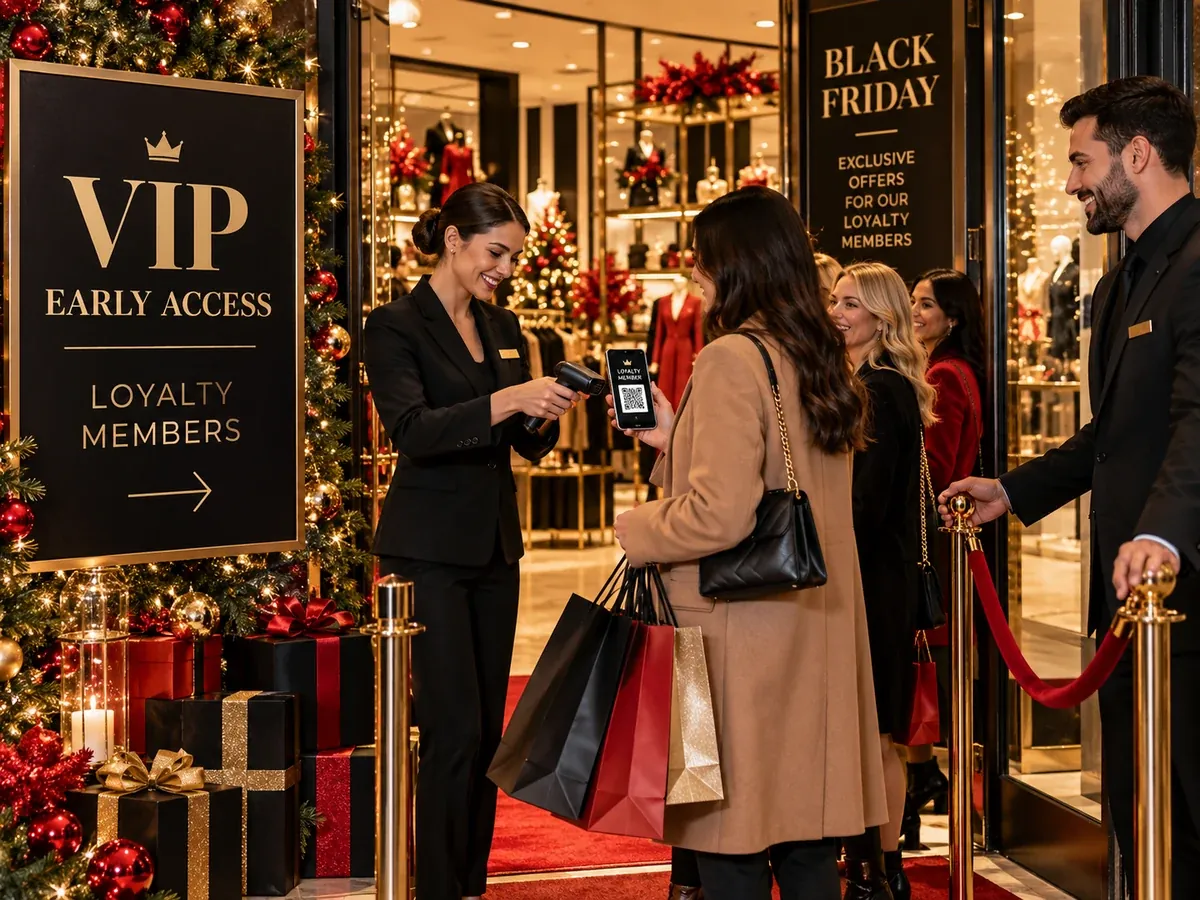
12. Give loyal customers VIP early access
Invite loyalty members or high-value customers into an earlier, calmer shopping window. This rewards loyalty while moving a portion of demand away from the most congested hours.
13. Turn the storefront into a Black Friday takeover
Use the window, entrance and first sightline as one coordinated visual story. A strong takeover should communicate the category, offer and urgency from outside without covering the products shoppers are meant to see.
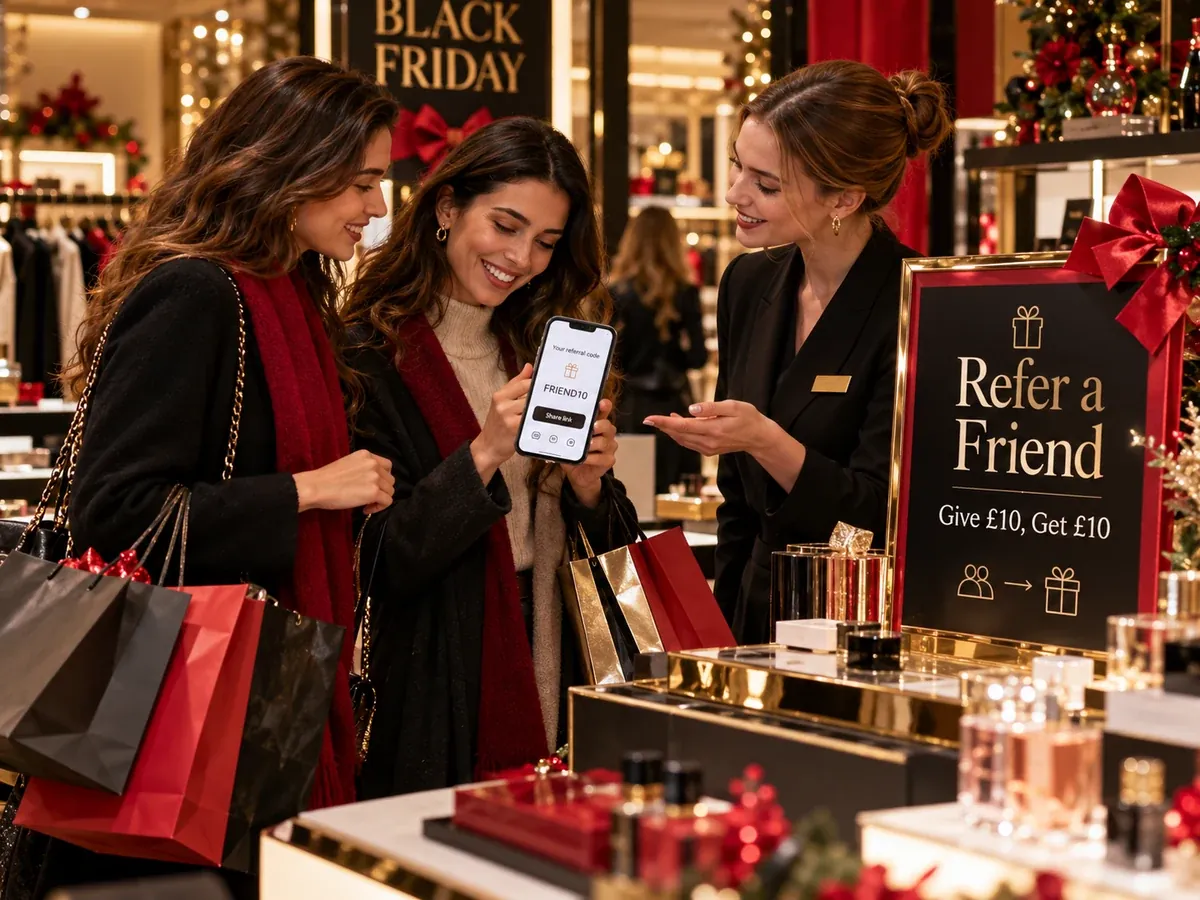
14. Reward customer referrals
Give existing customers a shareable referral benefit that works in store and can be redeemed without a complicated verification process. Cap or time-limit the reward to protect economics.
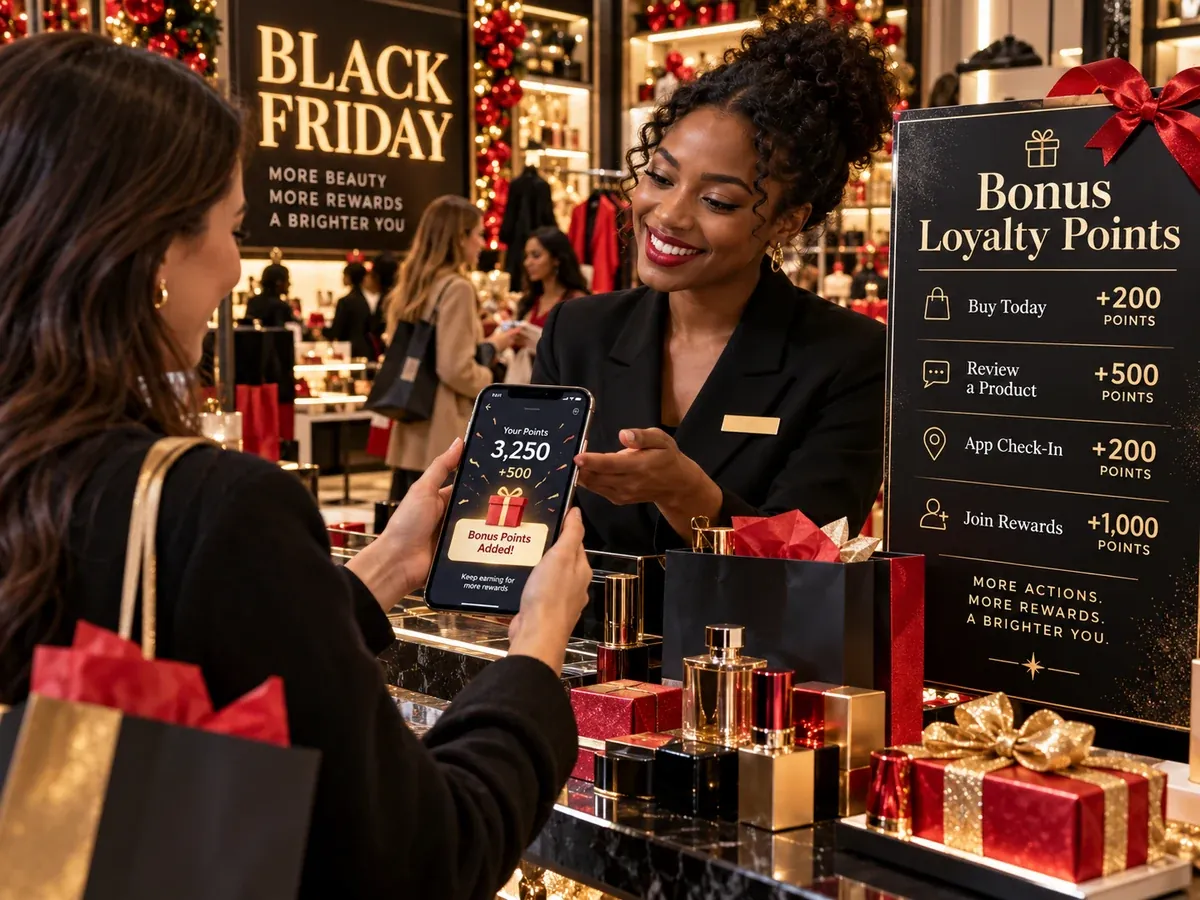
15. Increase loyalty points for selected actions
Use a temporary multiplier for actions that matter commercially, such as visiting a store, purchasing a priority category or returning after Black Friday. Avoid rewarding behaviour that would happen anyway if it creates unnecessary cost.
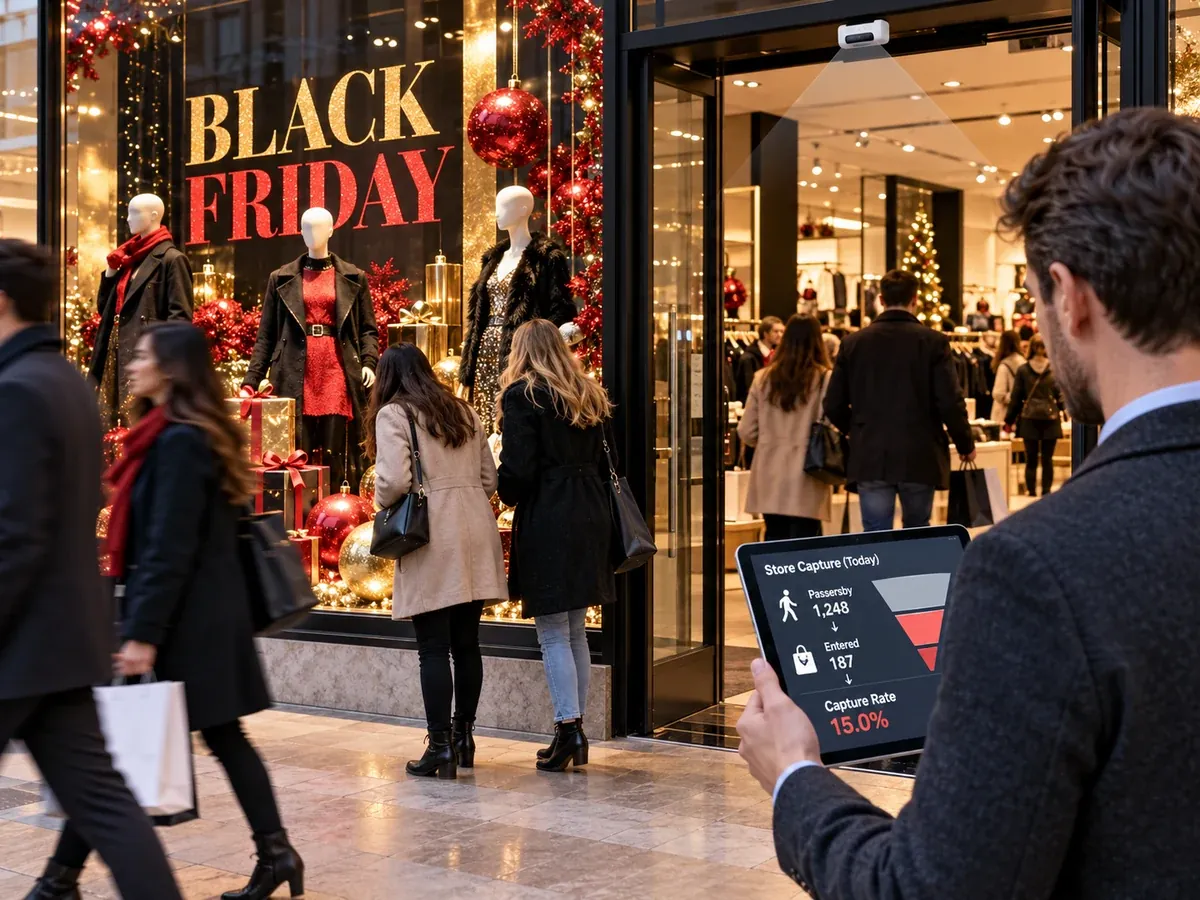
16. Measure street-to-store capture before changing the window
Count the passing opportunity and entries over the same frontage and trading hours before and after a storefront change. This separates a traffic problem from a window or entrance problem.
Black Friday retail ideas
Convenience & flow
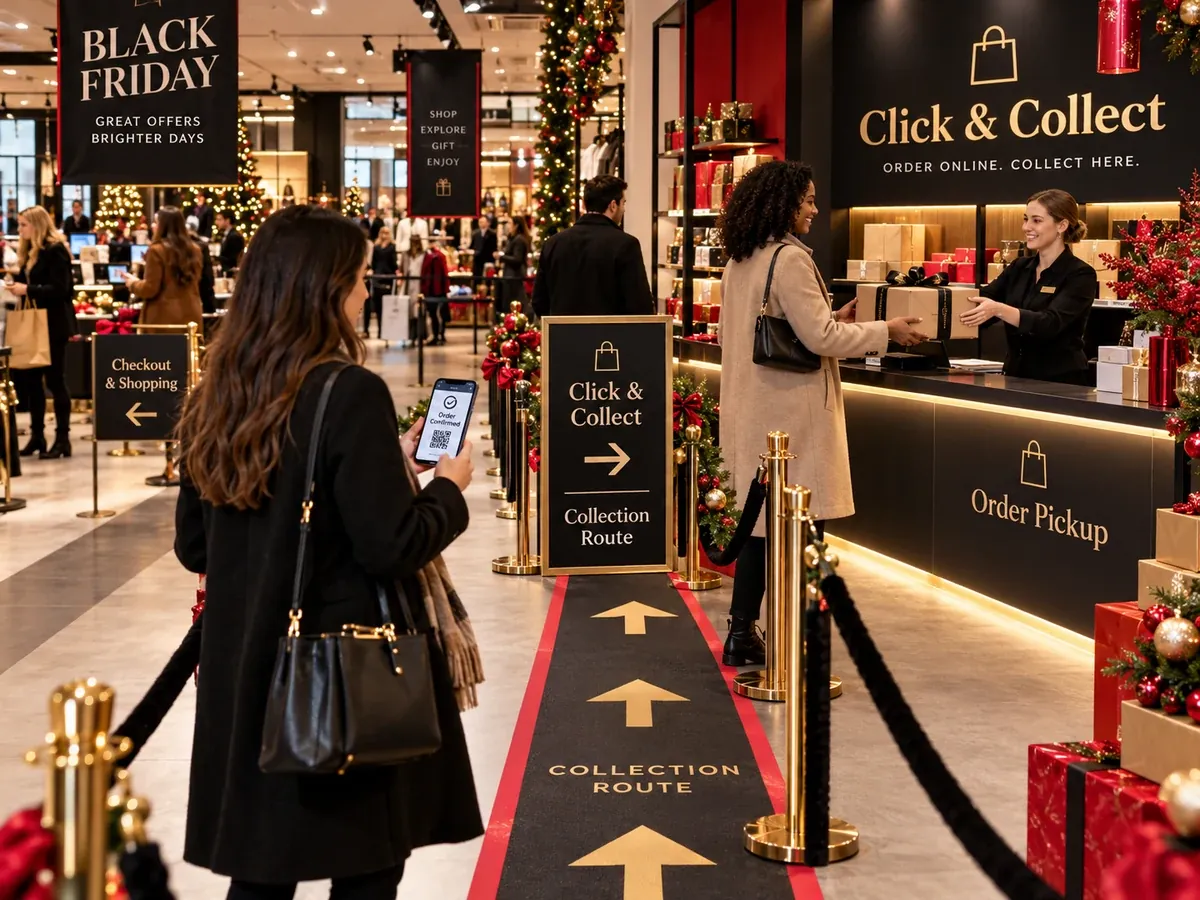
17. Create a dedicated click-and-collect route
Separate collection customers from browsing and payment queues wherever the layout allows. Use a clearly defined pickup point, a short handover process and staff who can redirect customers without sending them through the whole store.
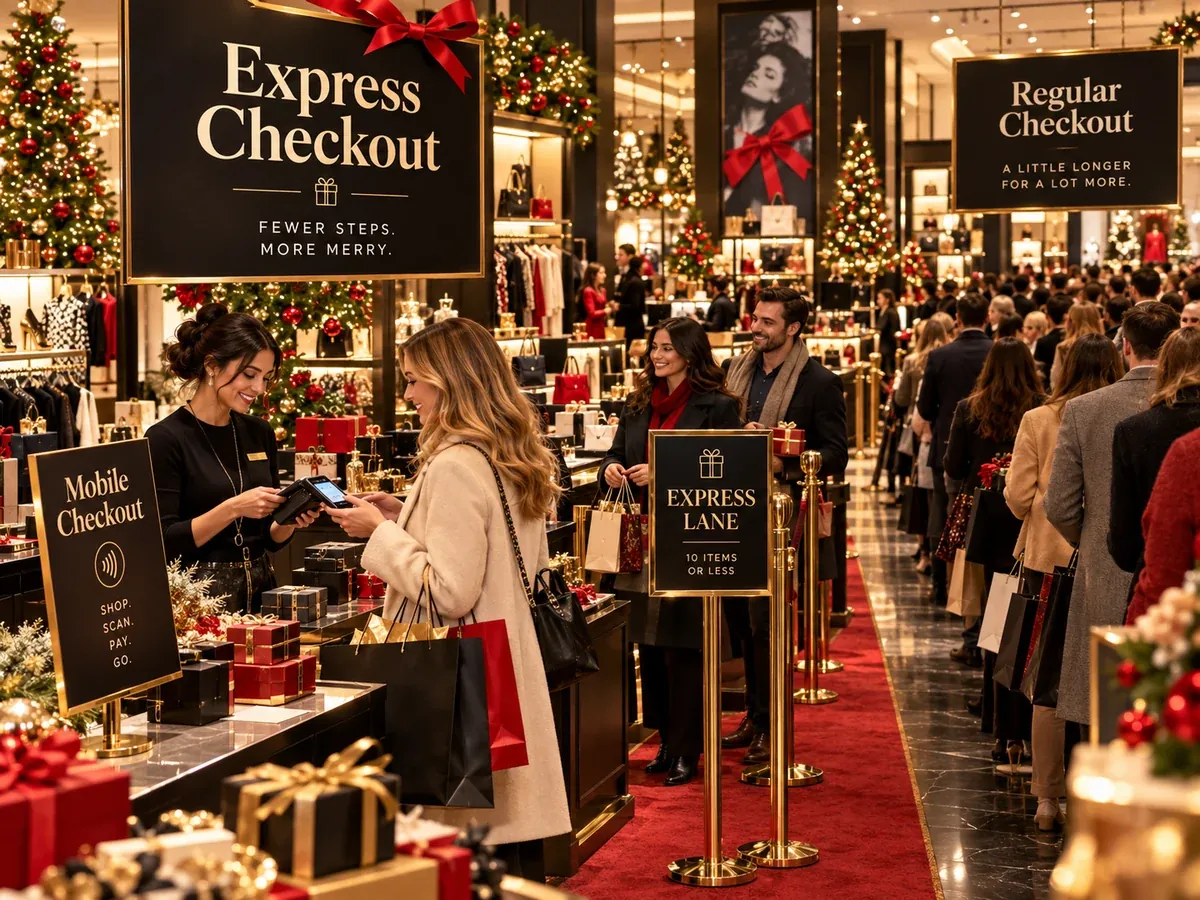
18. Open an express queue or mobile checkout lane
Create a fast path for simple baskets, collection add-ons or card-only purchases, and equip staff for mobile checkout where your POS supports it. The aim is to protect conversion when demand spikes, not merely move the queue somewhere else.
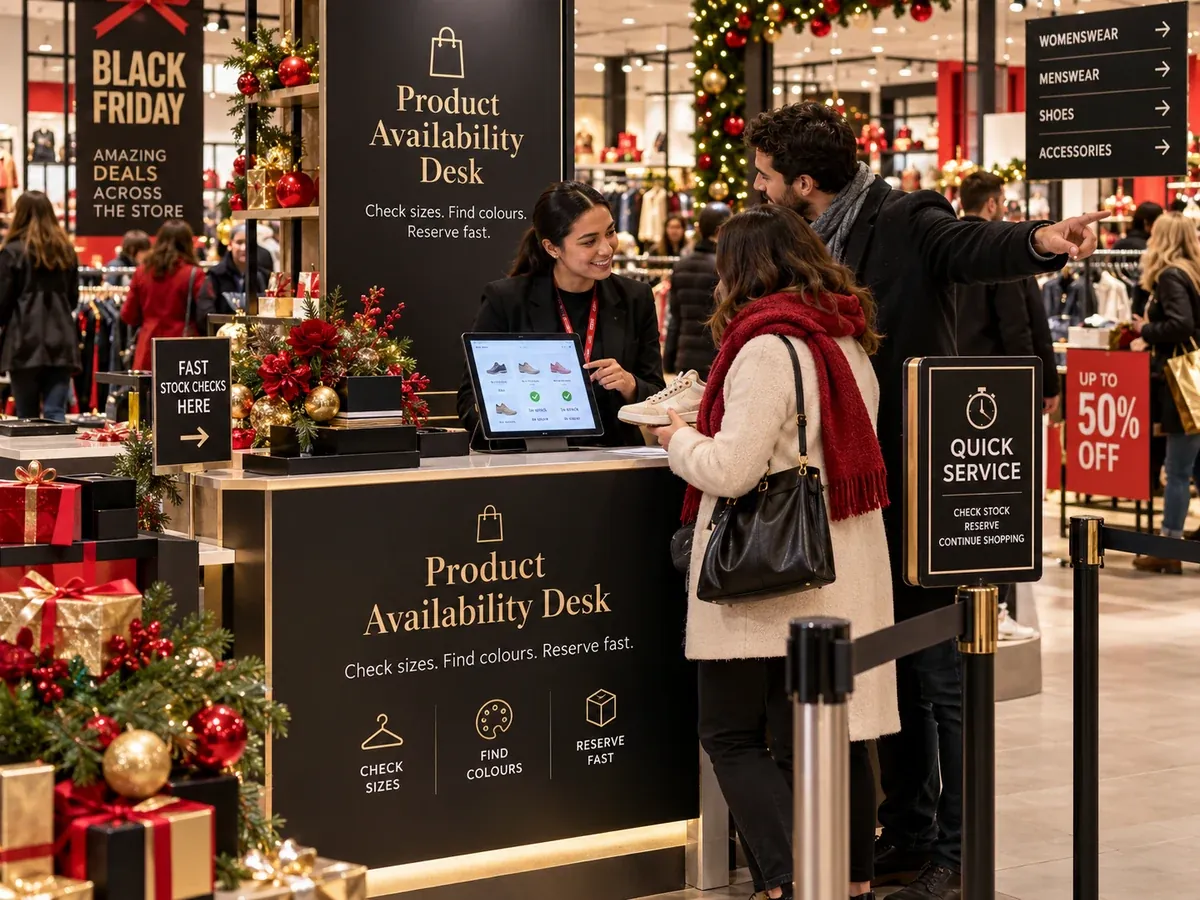
19. Create a fast product-availability desk
Give shoppers one obvious place or roaming staff role for stock checks, alternatives and nearby-store availability. Black Friday service fails quickly when customers spend too long chasing a size or colour.
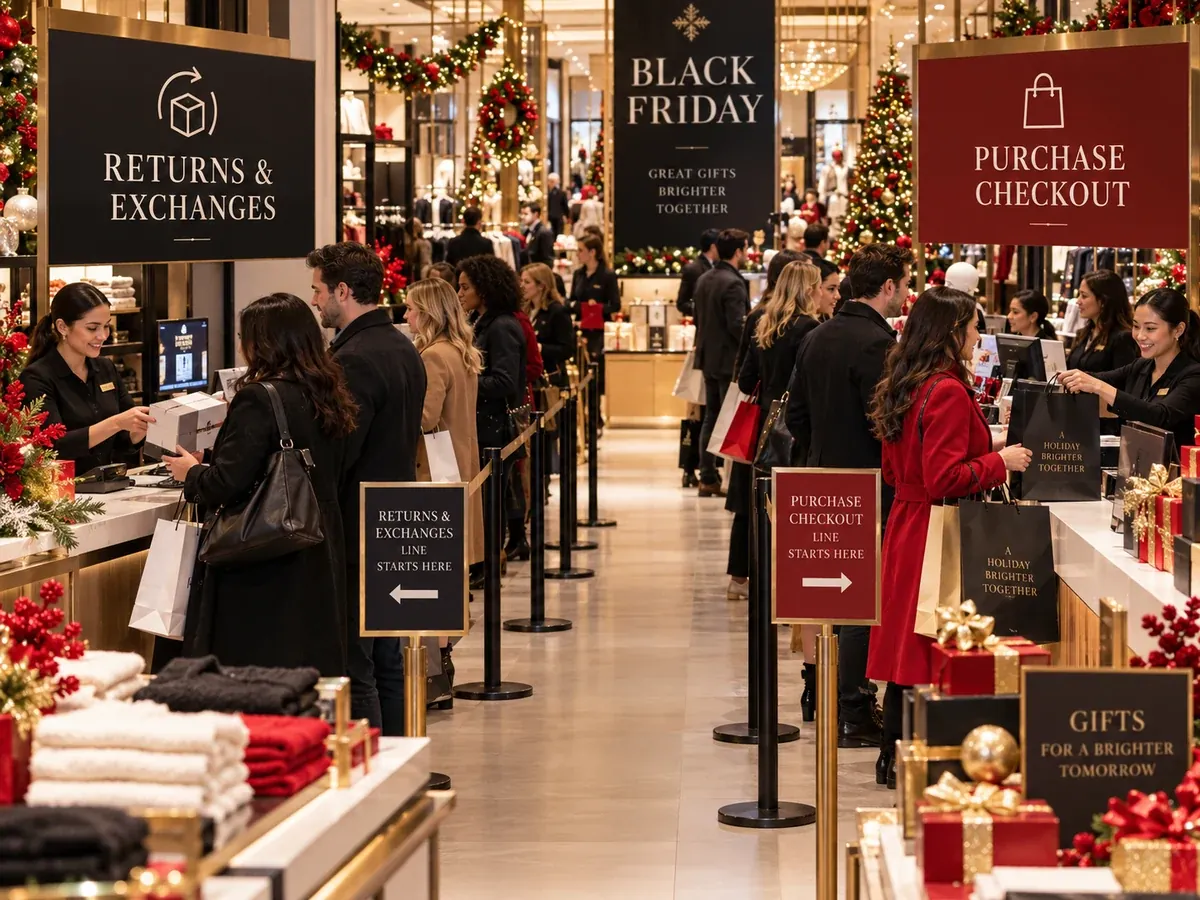
20. Separate returns and exchanges from purchase checkout
If your layout and staffing allow it, keep complex returns from blocking quick purchases during peak trading. Make the alternative desk visible before customers join the main line.
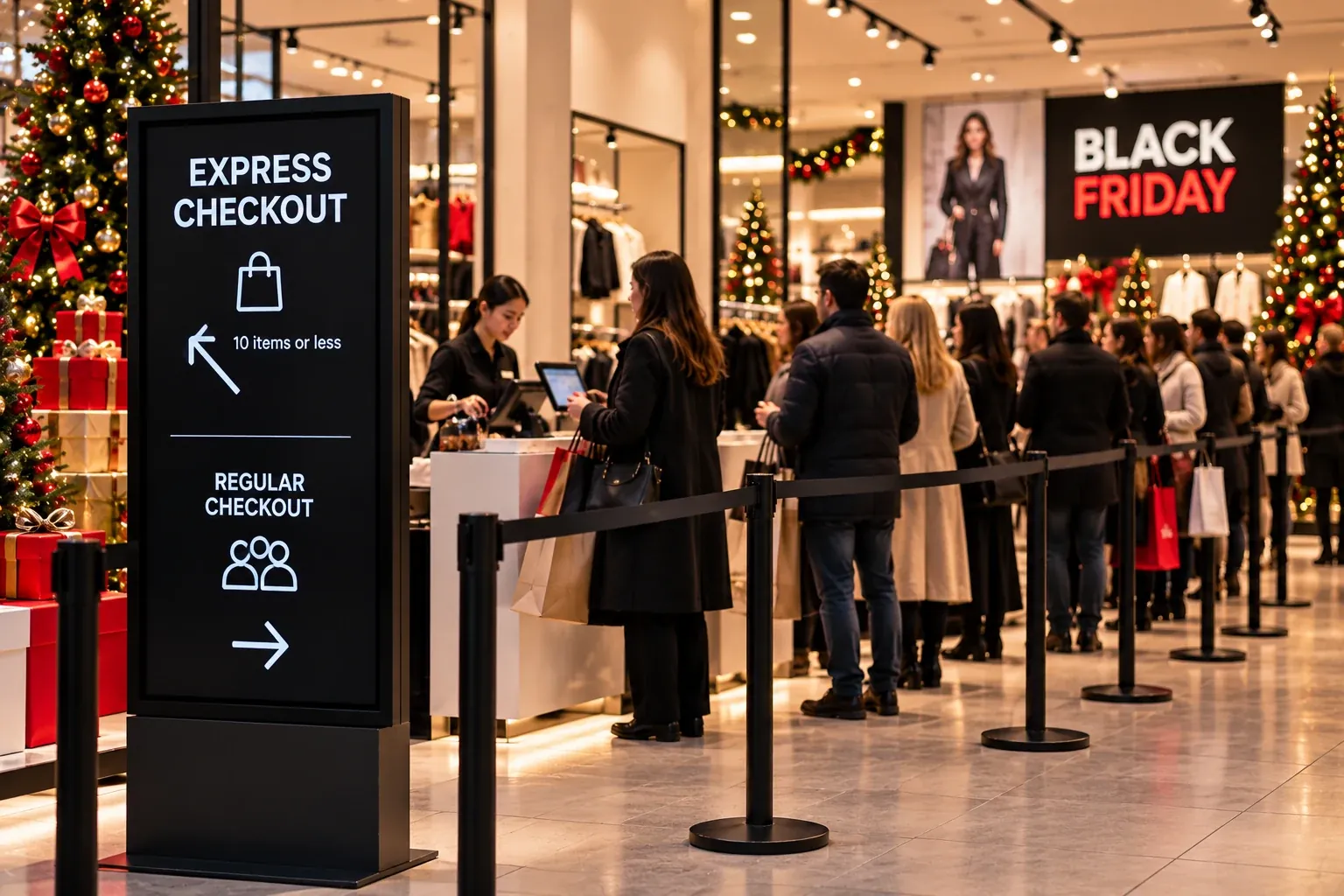
21. Use clear checkout wayfinding
Make the start of the queue, available lanes and collection points obvious from a distance. Poor wayfinding creates false queues and aisle conflicts even when checkout capacity is adequate.
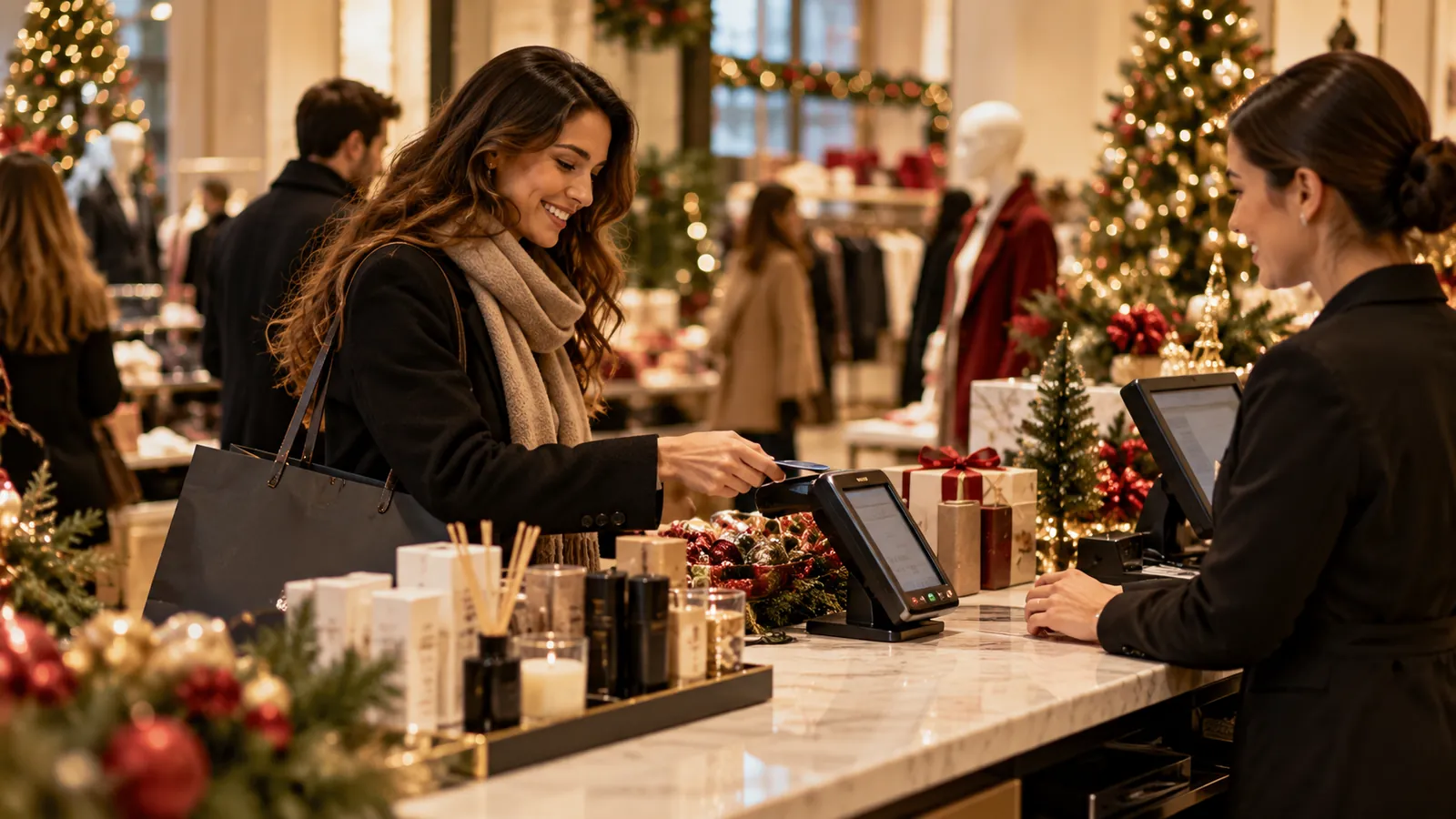
22. Place small high-relevance add-ons near checkout
Use a tightly edited selection of useful add-ons beside the queue or checkout rather than crowding the area with unrelated impulse stock. Keep sightlines and queue movement clear so the merchandising improves basket value without slowing payment.
Black Friday retail ideas
Staffing & operations
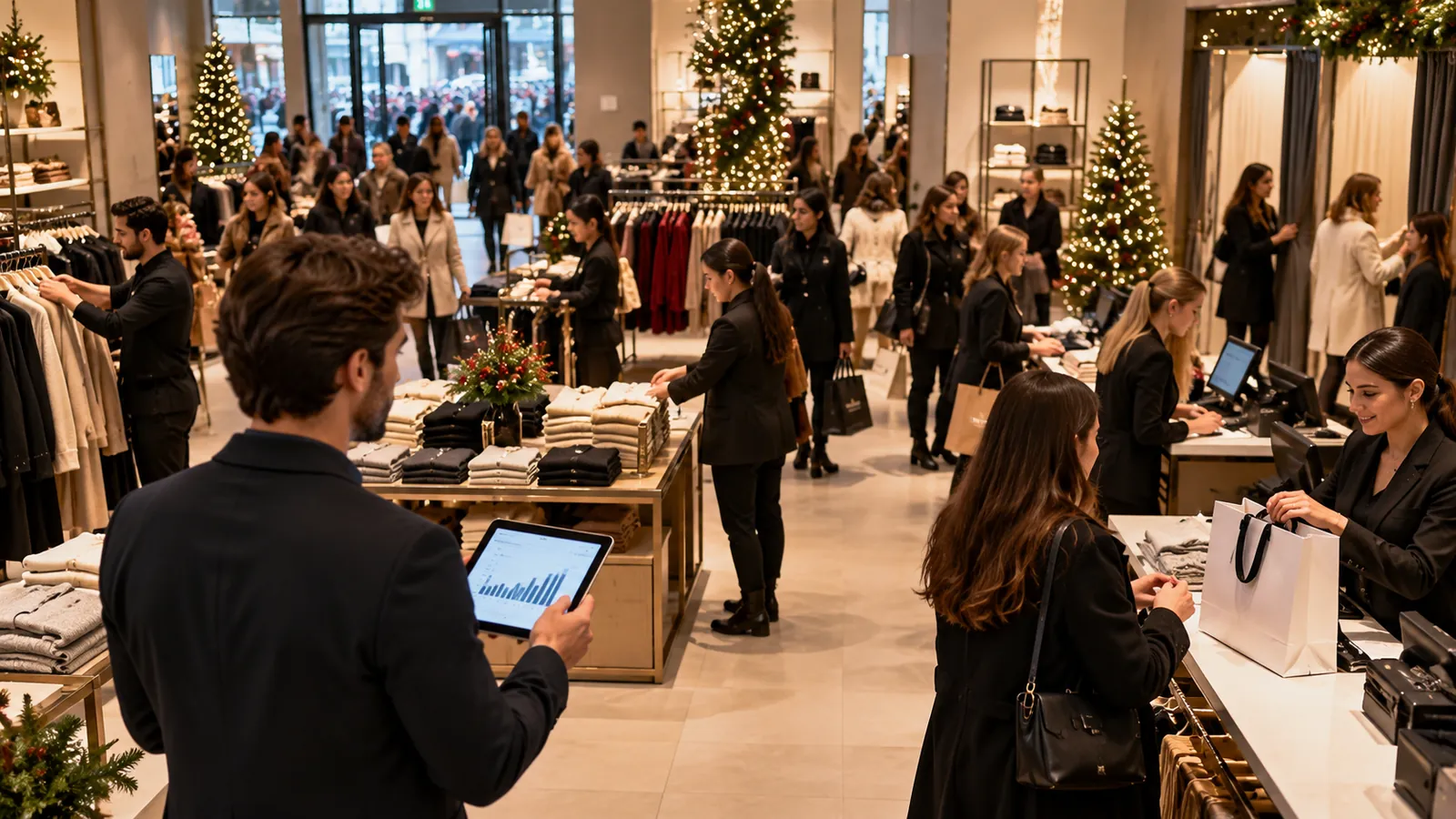
23. Roster staff to the hourly traffic curve
Build the roster from expected visitor demand by hour rather than repeating an ordinary Friday schedule. Protect entrances, fitting rooms, service zones, checkout and replenishment during the periods where traffic rises fastest.
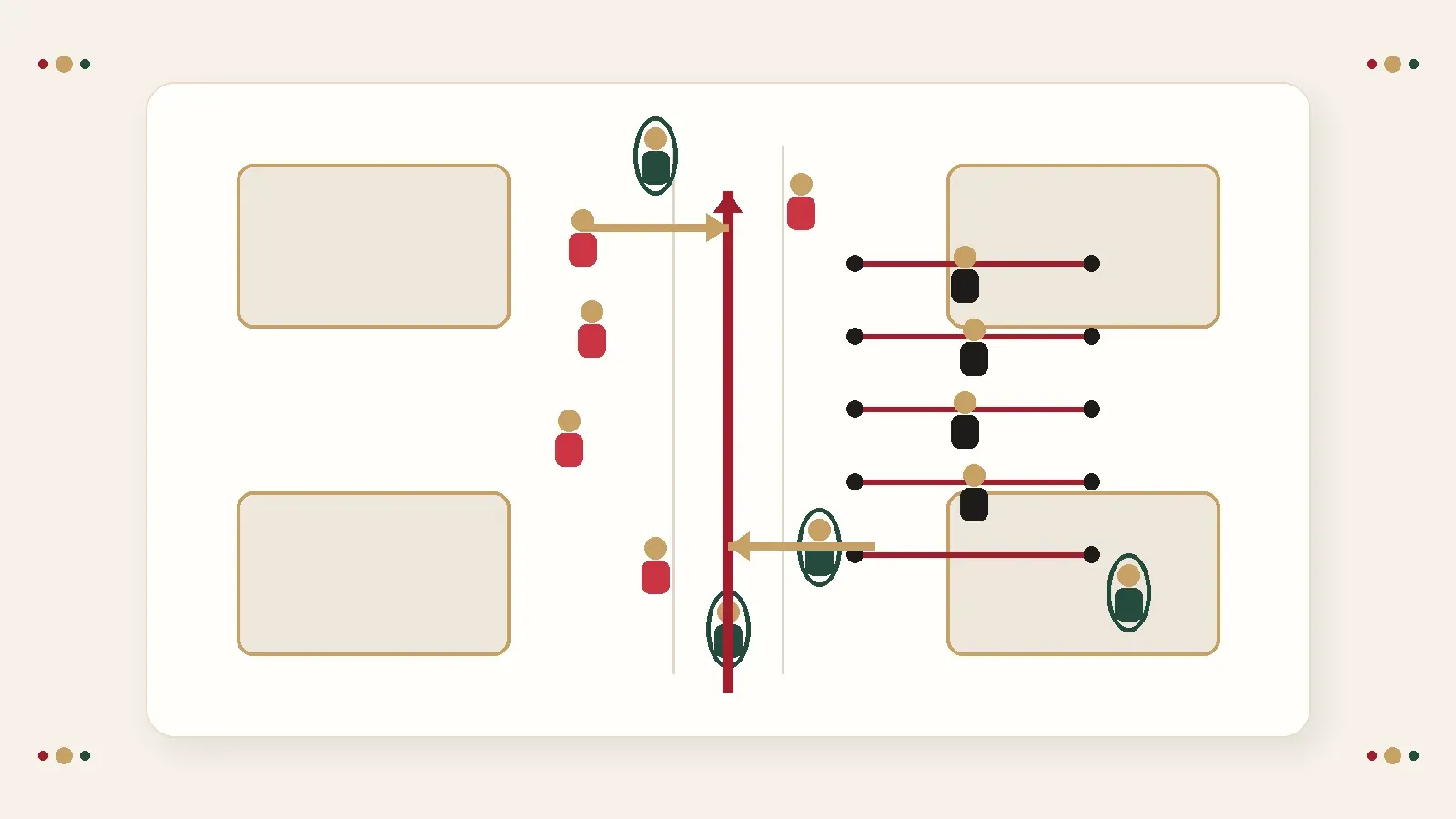
24. Build a written crowd-management plan
Plan opening, queuing, entrances, exits, maximum occupancy procedures and escalation roles before the event. Keep emergency routes unobstructed and align the plan with local safety requirements and the store’s own procedures.
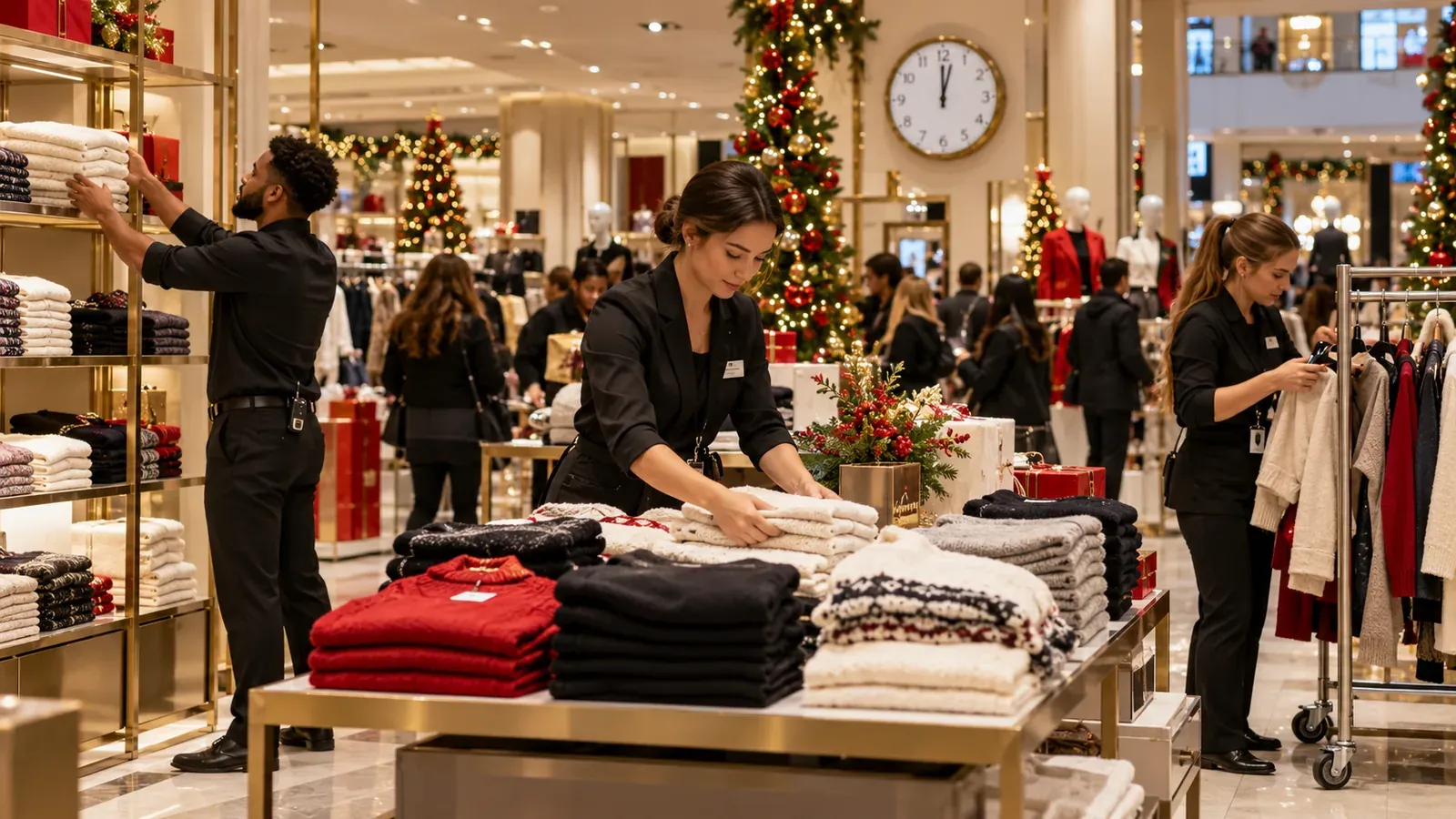
25. Assign a dedicated replenishment runner
Give one or more team members responsibility for moving priority stock from back room to floor during the busiest windows. This stops selling staff repeatedly leaving customers to search for stock.
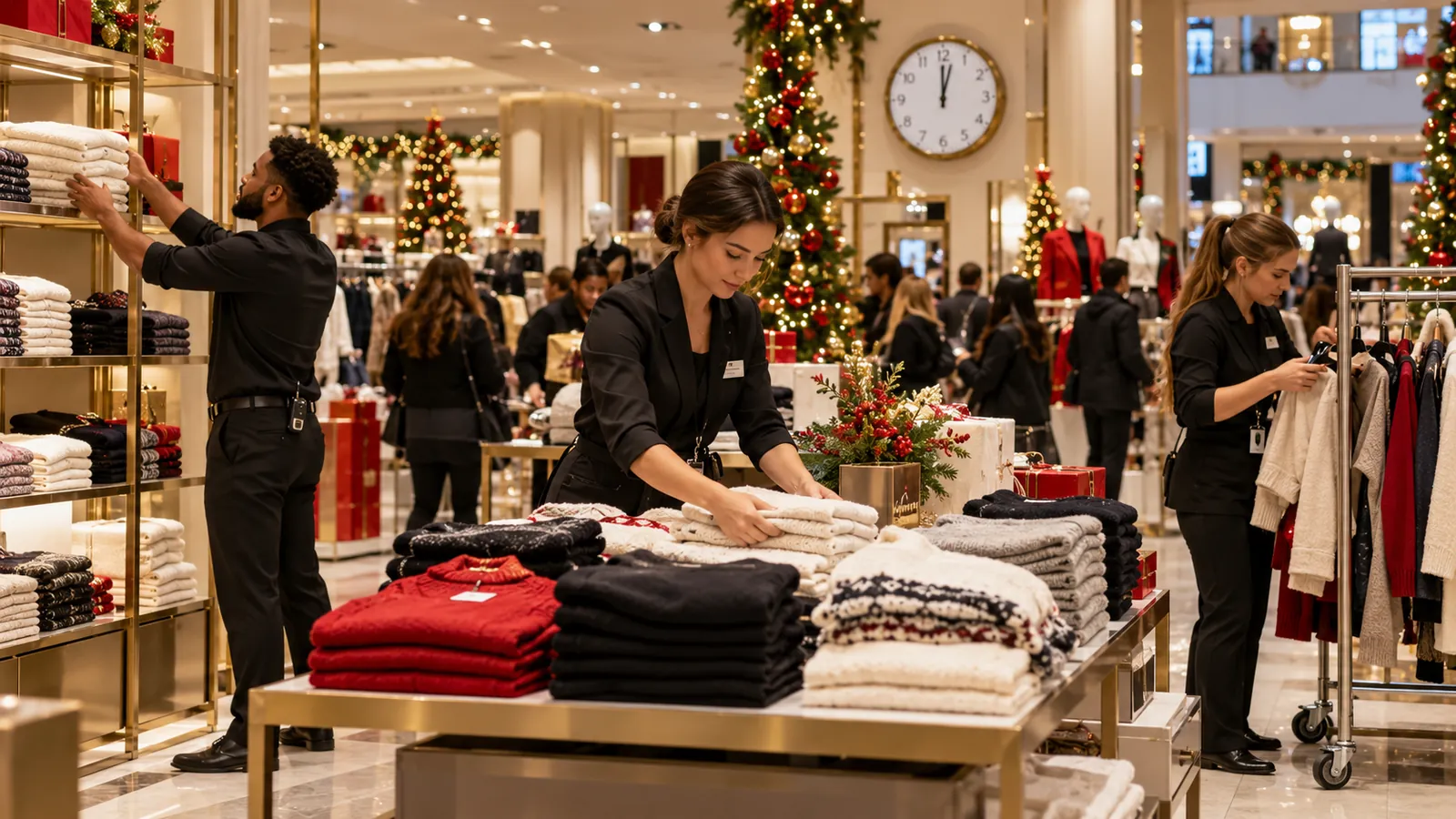
26. Create backup stock positions for top sellers
Pre-stage sensible quantities of the highest-velocity items near the selling zone where safe and operationally appropriate. Use a simple trigger for refilling the display.
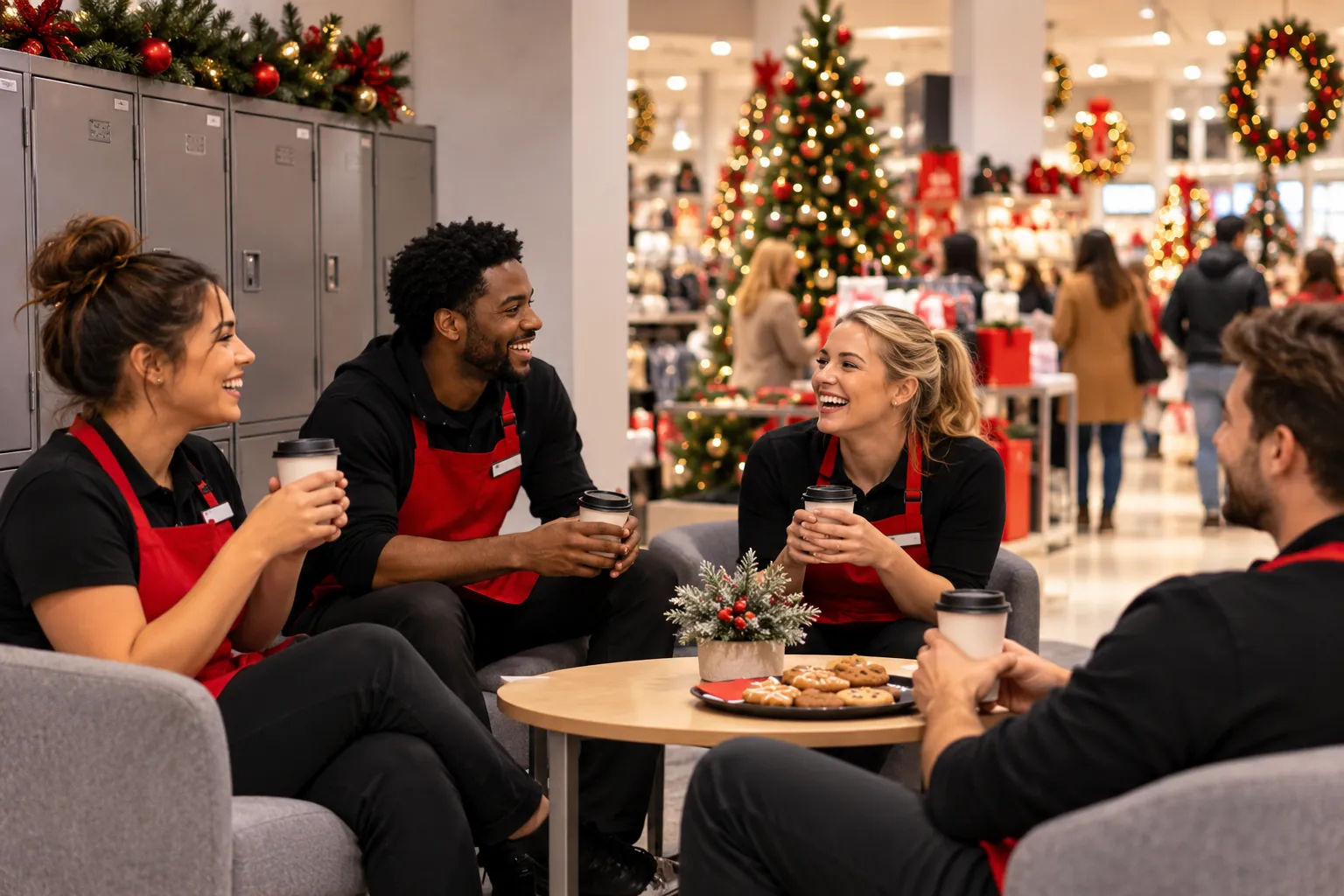
27. Protect staff breaks in the traffic plan
Schedule breaks so several critical roles do not disappear during the same demand peak. Build coverage into the roster rather than treating breaks as an exception on the day.
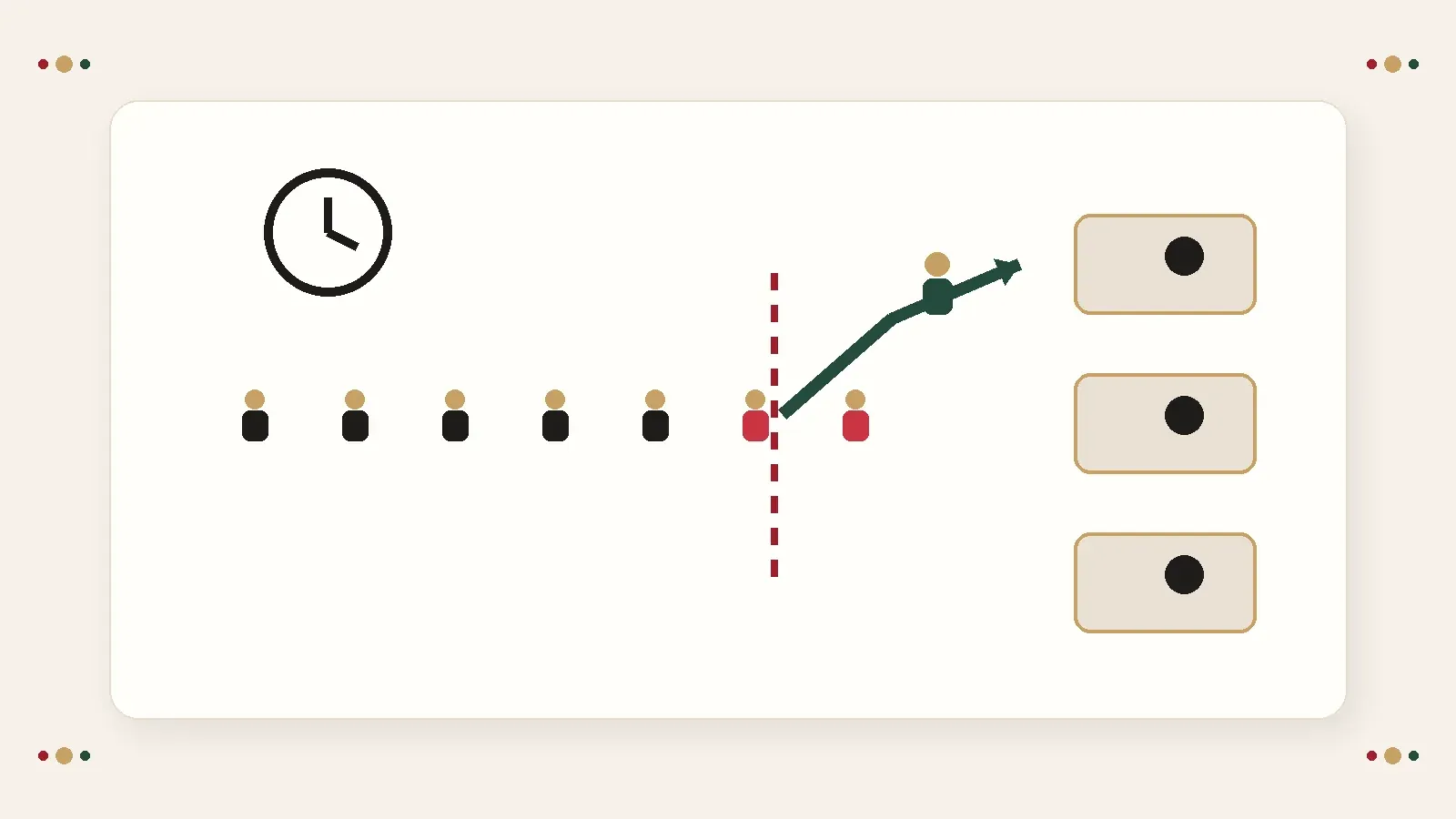
28. Set queue triggers before the day starts
Define the store-specific queue length or waiting-time trigger that causes another till, mobile checkout or queue host to activate. The trigger should be operationally realistic and tested with the available team.
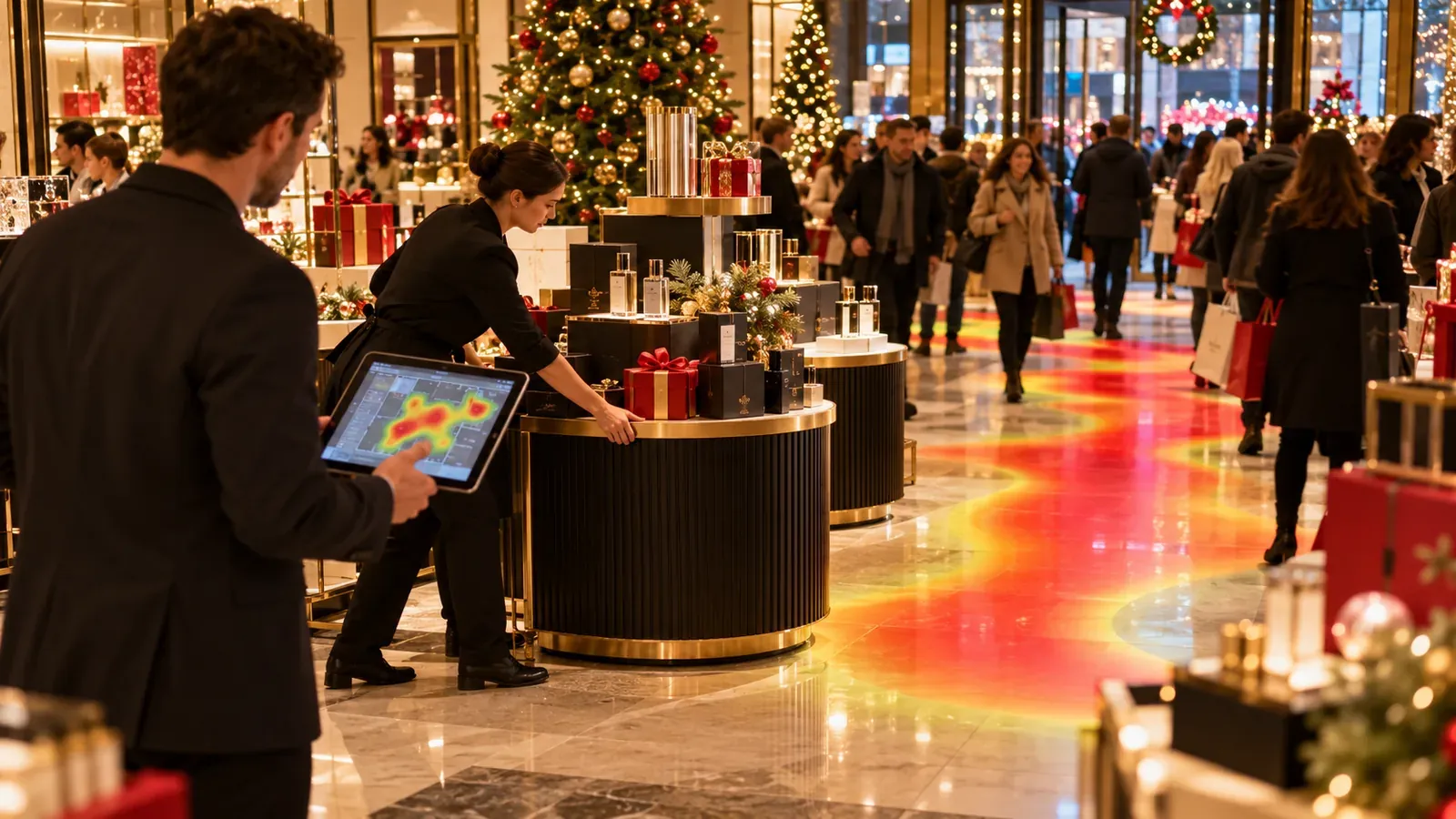
29. Give one manager live floor-control responsibility
Keep one decision-maker focused on traffic, queues, stock and redeployment instead of being tied to a single department. Use a short interval rhythm to review what changed and move people accordingly.
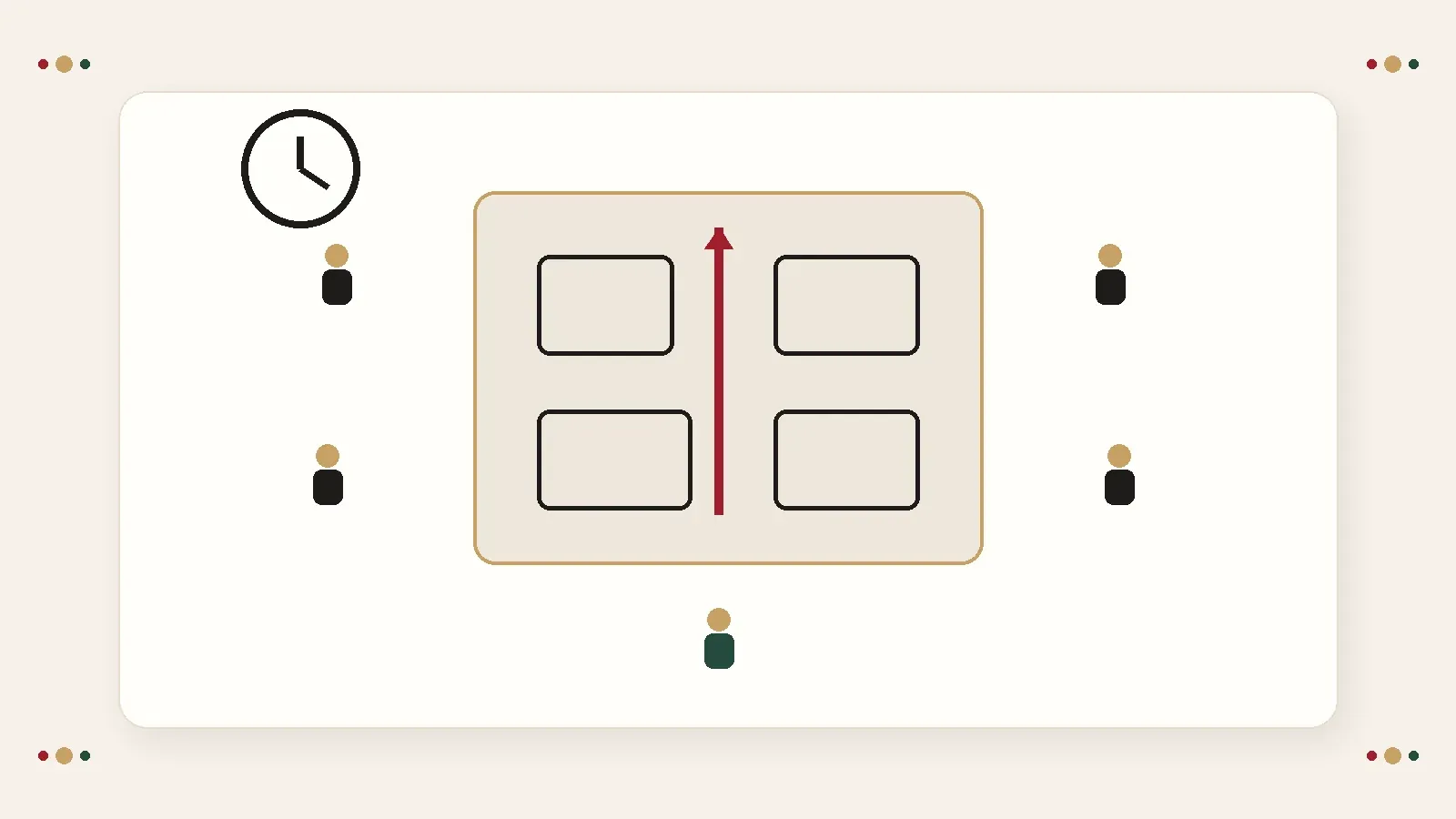
30. Use an opening-rush run sheet
Write the first 60–90 minutes as a sequence: staff positions, entrance control, hero-stock checks, till readiness, queue owner and escalation contacts. A run sheet reduces ad-hoc decisions at the most intense moment.
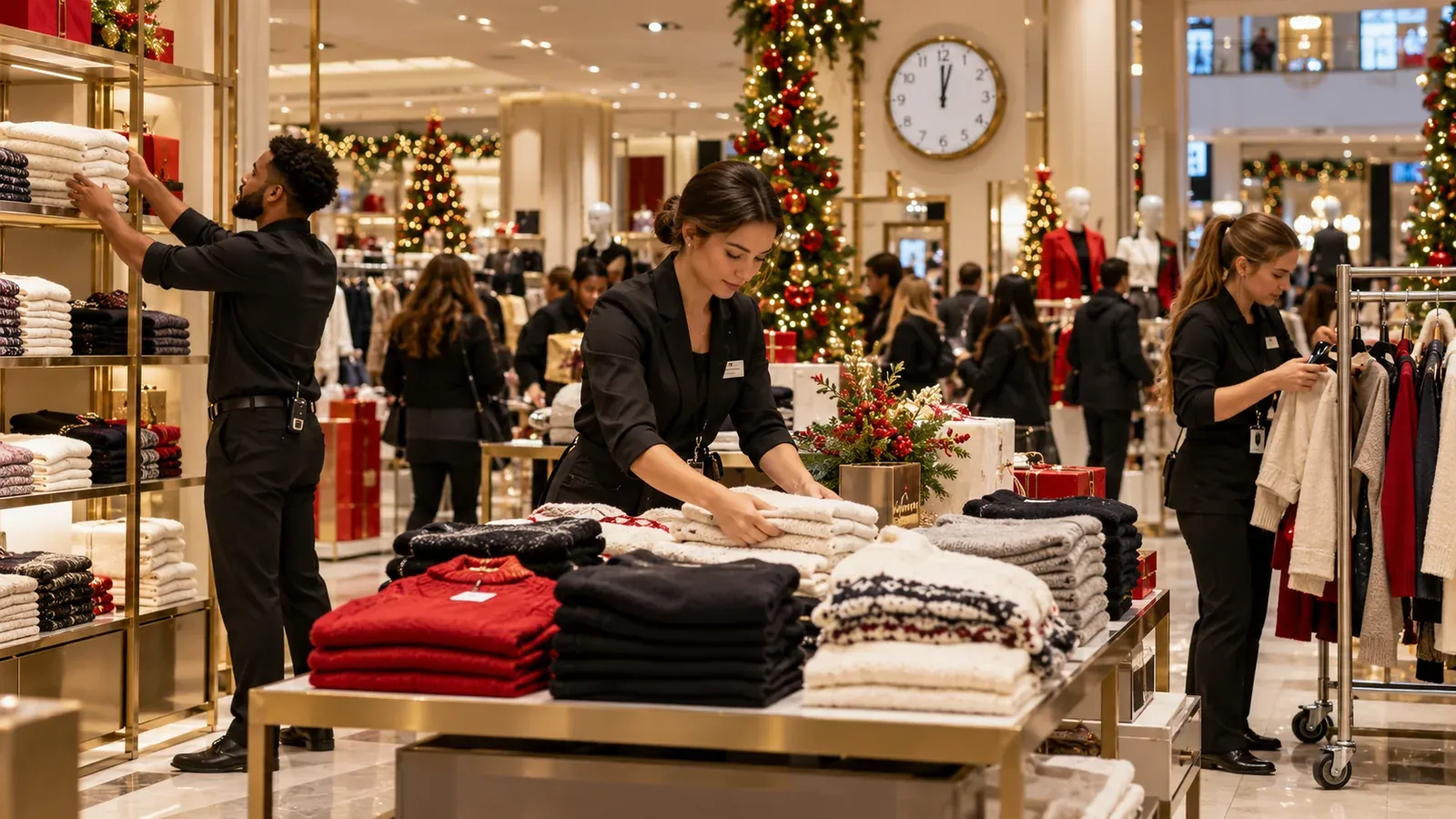
31. Use a midday reset
Schedule a fast recovery of high-traffic fixtures, fitting rooms, queue areas and priority stock before the next peak. Assign ownership so the reset happens even when the store remains busy.
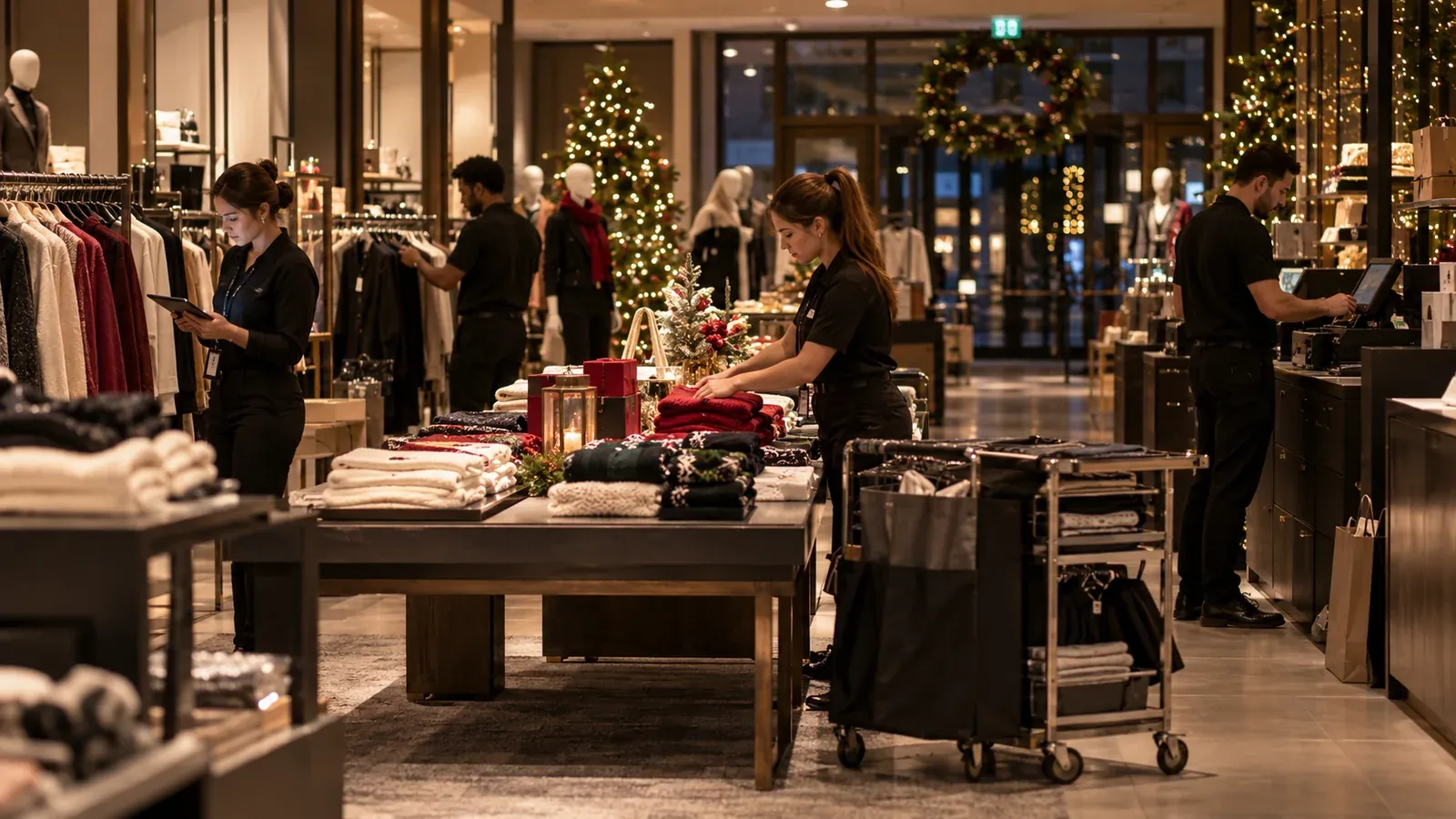
32. Create a closing recovery checklist
End each day with stock, signage, queue equipment, charging devices, fitting rooms and entrance areas reset for the next opening. Capture what failed while the information is still fresh.
Black Friday retail ideas
Merchandising & experience
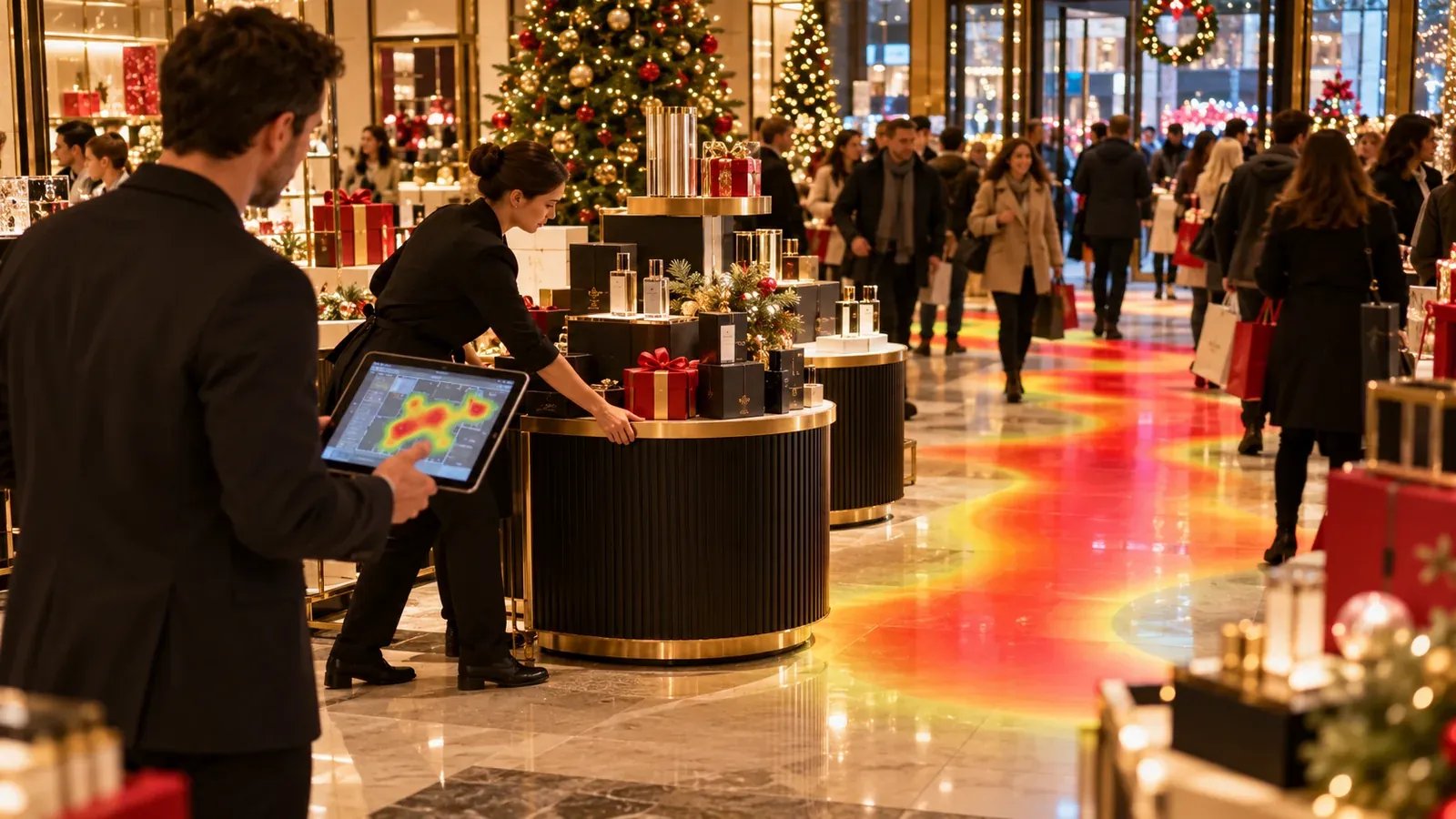
33. Move hero products into measured hot zones
Use recent zone activity or heatmap evidence to place hero products where shoppers already move and stop. Keep a clean path around the display so increased attention does not create a bottleneck.
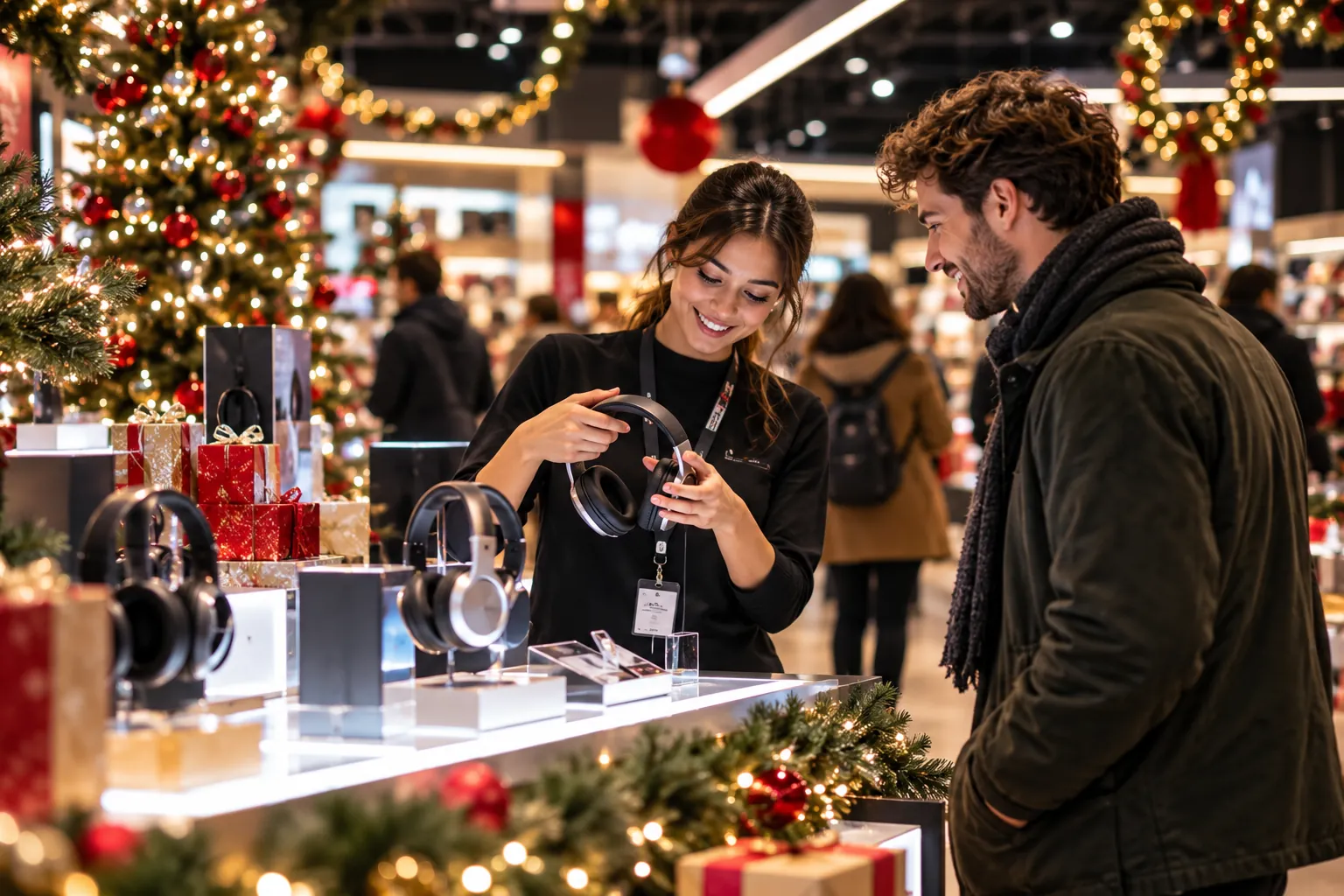
34. Run live product demonstrations
Demonstrate products that benefit from explanation, comparison or sensory experience. Keep the demo near the relevant stock and make it easy for spectators to continue shopping rather than blocking an aisle.

35. Offer appointment shopping in high-consideration categories
Reserve a small number of appointment slots for customers who need advice, sizing, configuration or gifting help. Use appointments to add service capacity, not to restrict ordinary walk-ins.
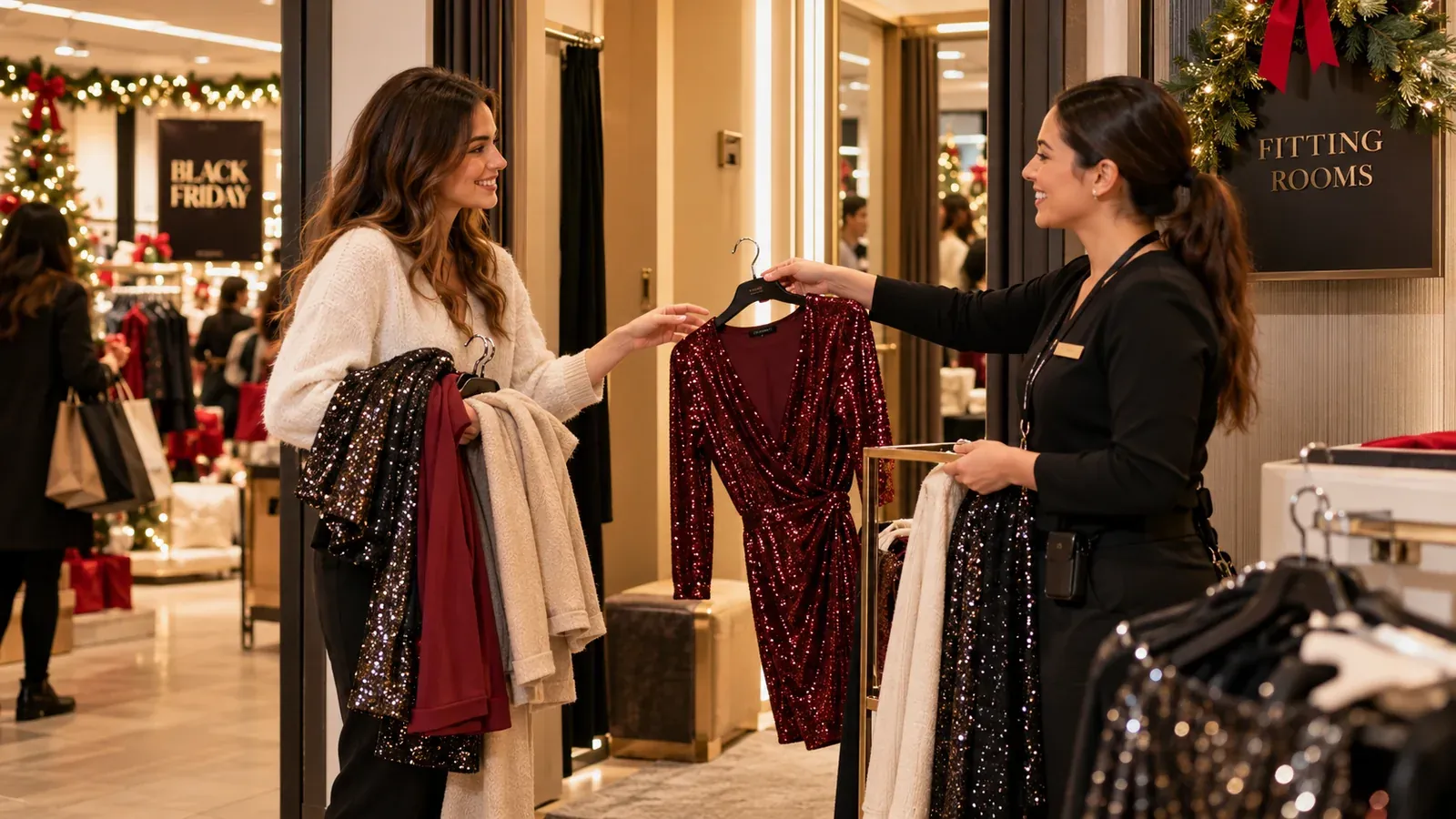
36. Add fitting-room concierge coverage
Position staff to manage sizes, alternatives and product returns to the floor during the busiest periods. This reduces shopper friction and prevents fitting-room demand from pulling sales staff away unpredictably.
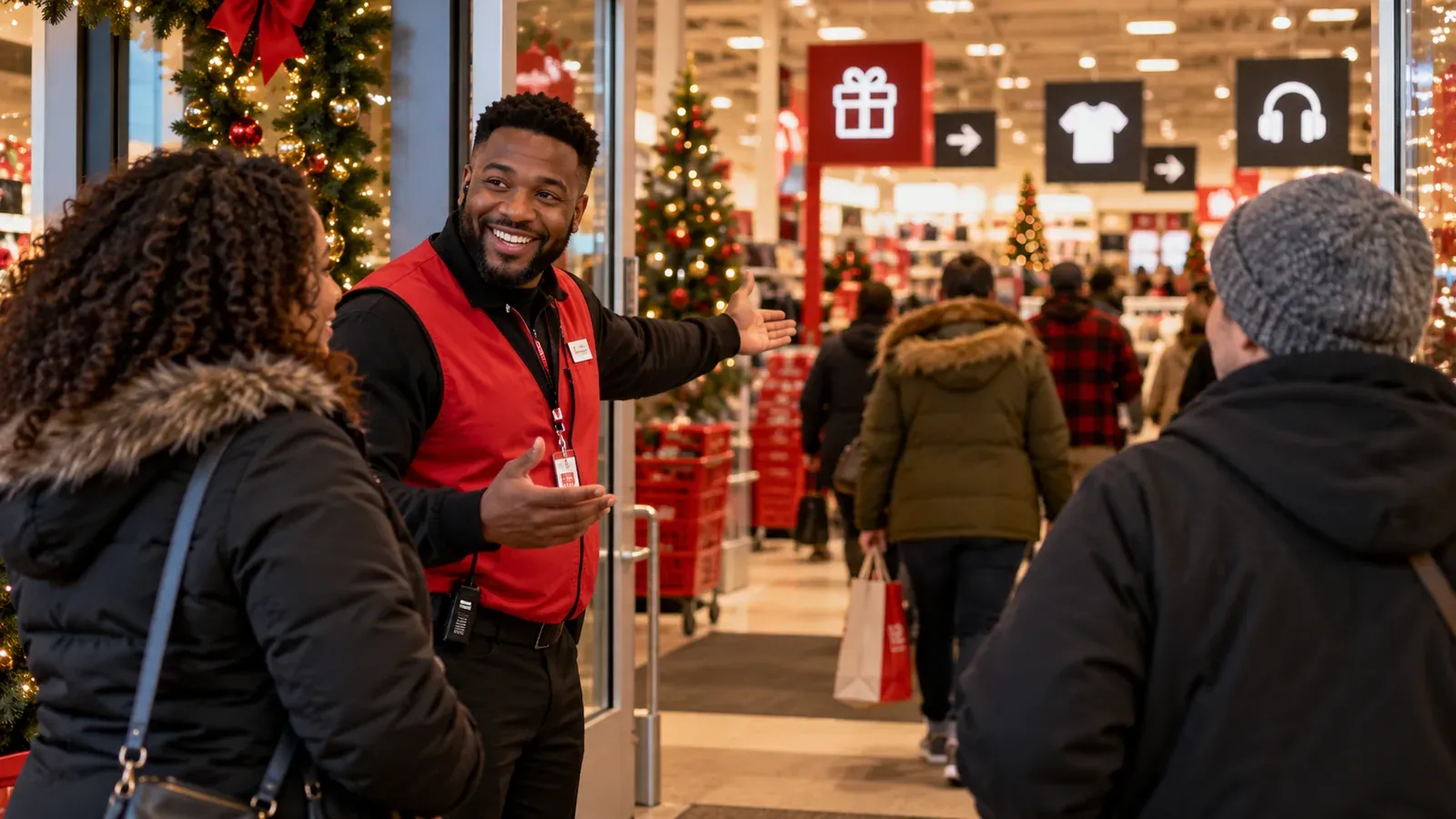
37. Place a knowledgeable greeter at the entrance
Use the entrance role to direct shoppers, explain where key categories are and prevent the first few metres of the store from becoming confused. Give the greeter current stock and queue information.
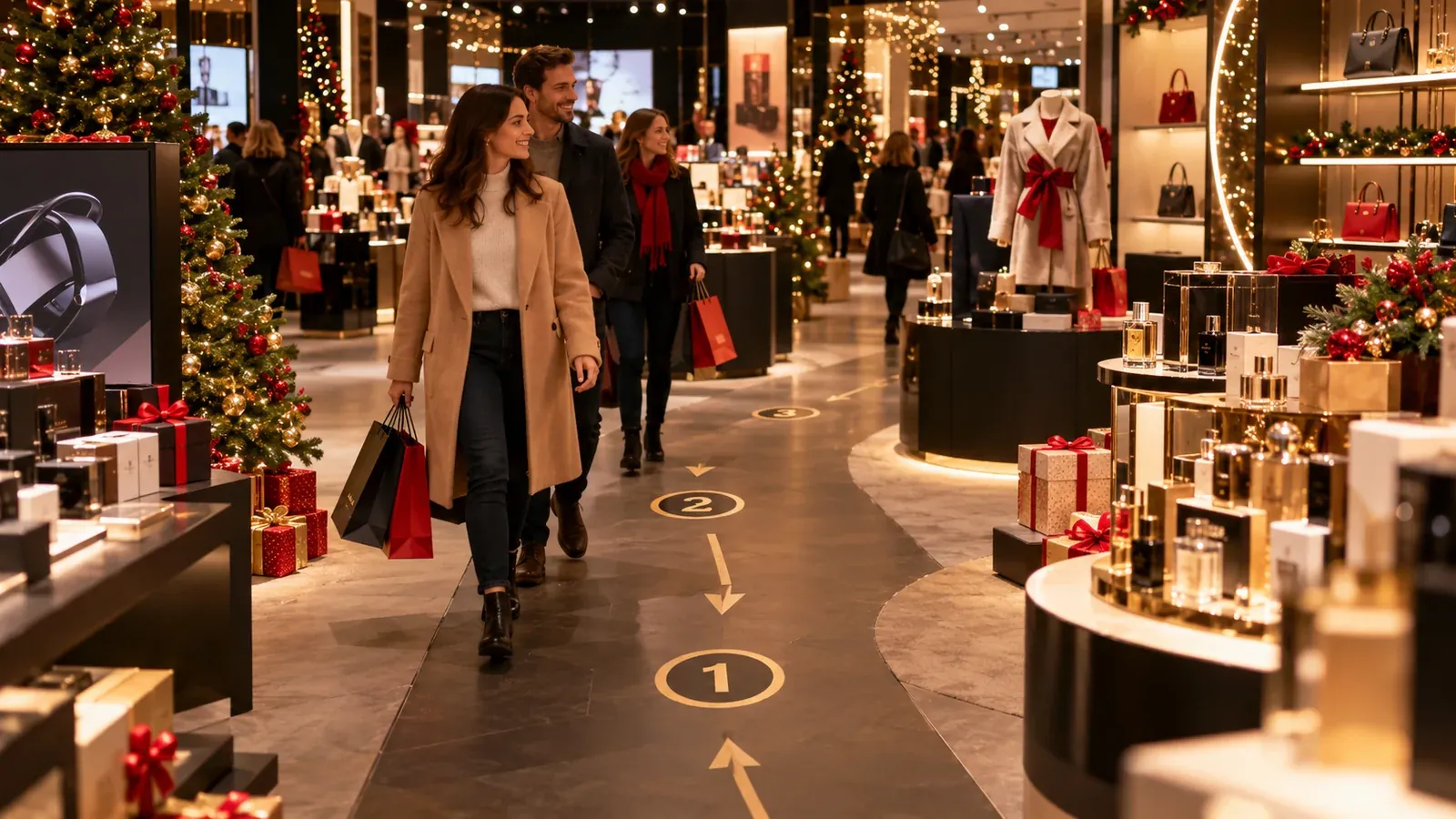
38. Create a simple in-store discovery trail
Arrange a short path linking hero categories rather than forcing customers through every department. Keep wayfinding consistent and ensure the trail never obstructs emergency or accessibility routes.
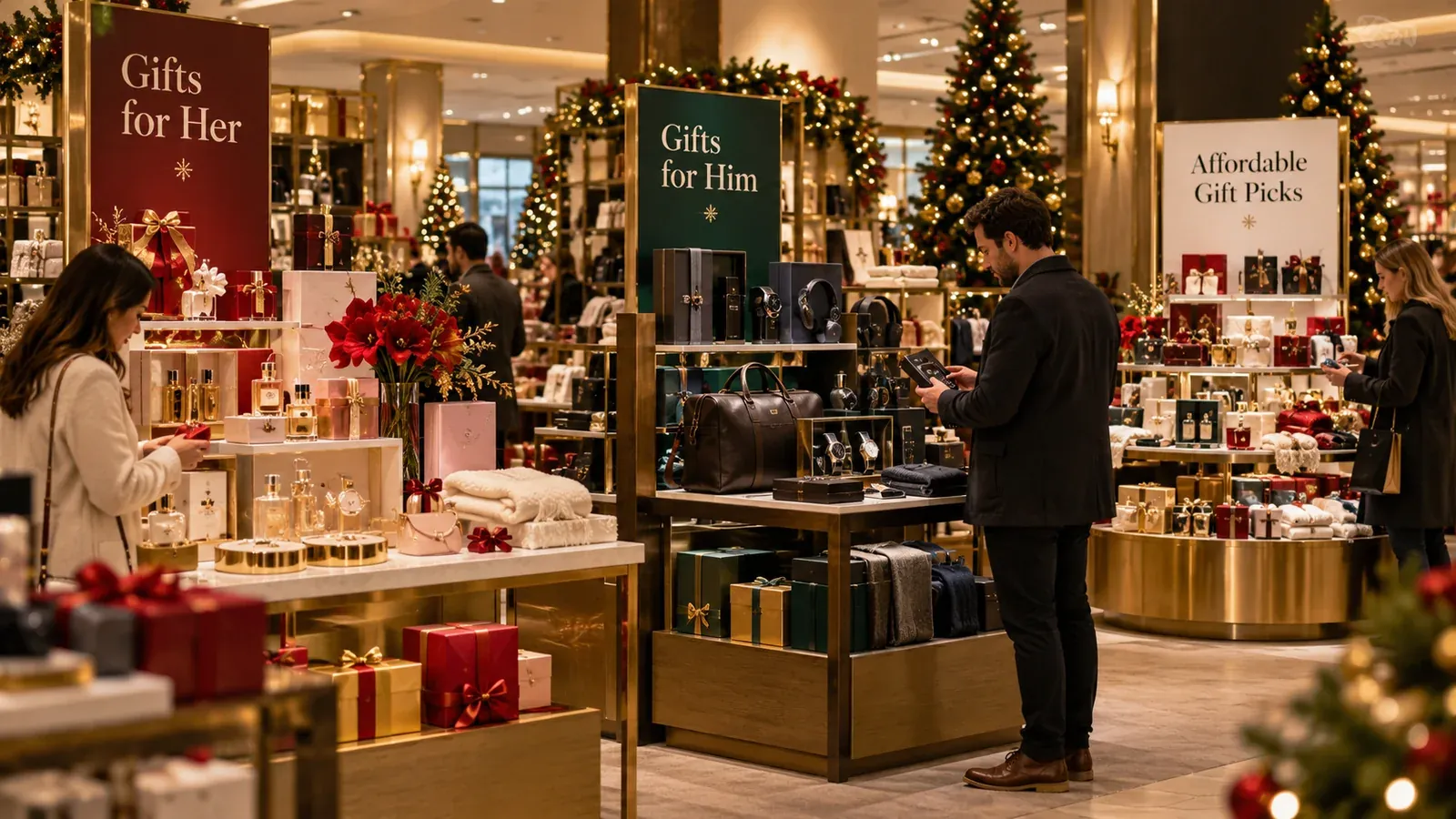
39. Put gift solutions together by shopper mission
Merchandise by mission such as gifts under a threshold, last-minute gifts or complete looks instead of relying only on product category. This reduces decision effort in a high-pressure shopping period.
Black Friday retail ideas
Retention
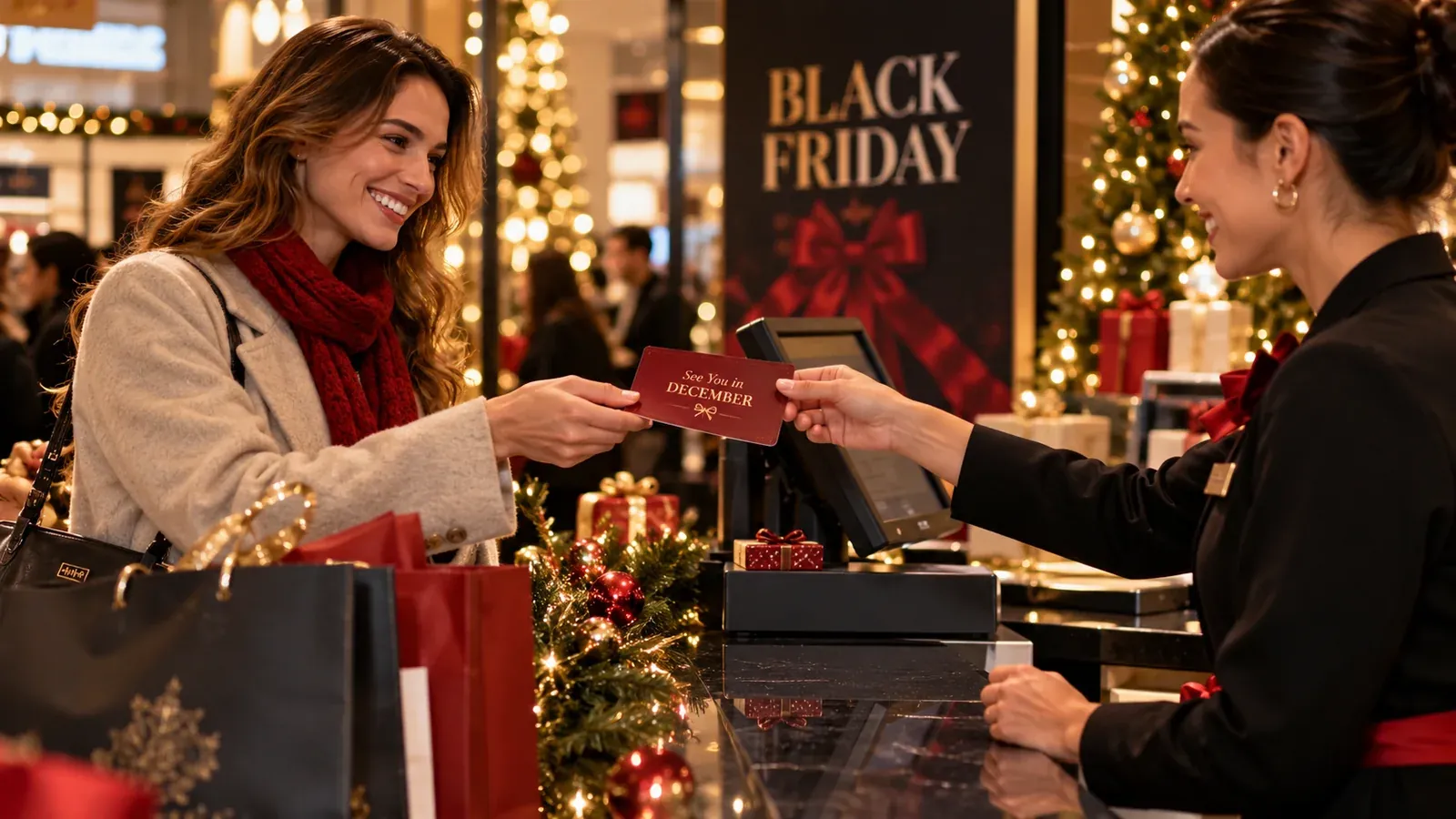
40. Give a post-Black-Friday bounce-back offer
Attach a December or January return incentive to Black Friday purchases. Define the valid dates and threshold so it creates a second visit rather than simply discounting the original transaction.
Black Friday retail ideas
Measurement & optimisation
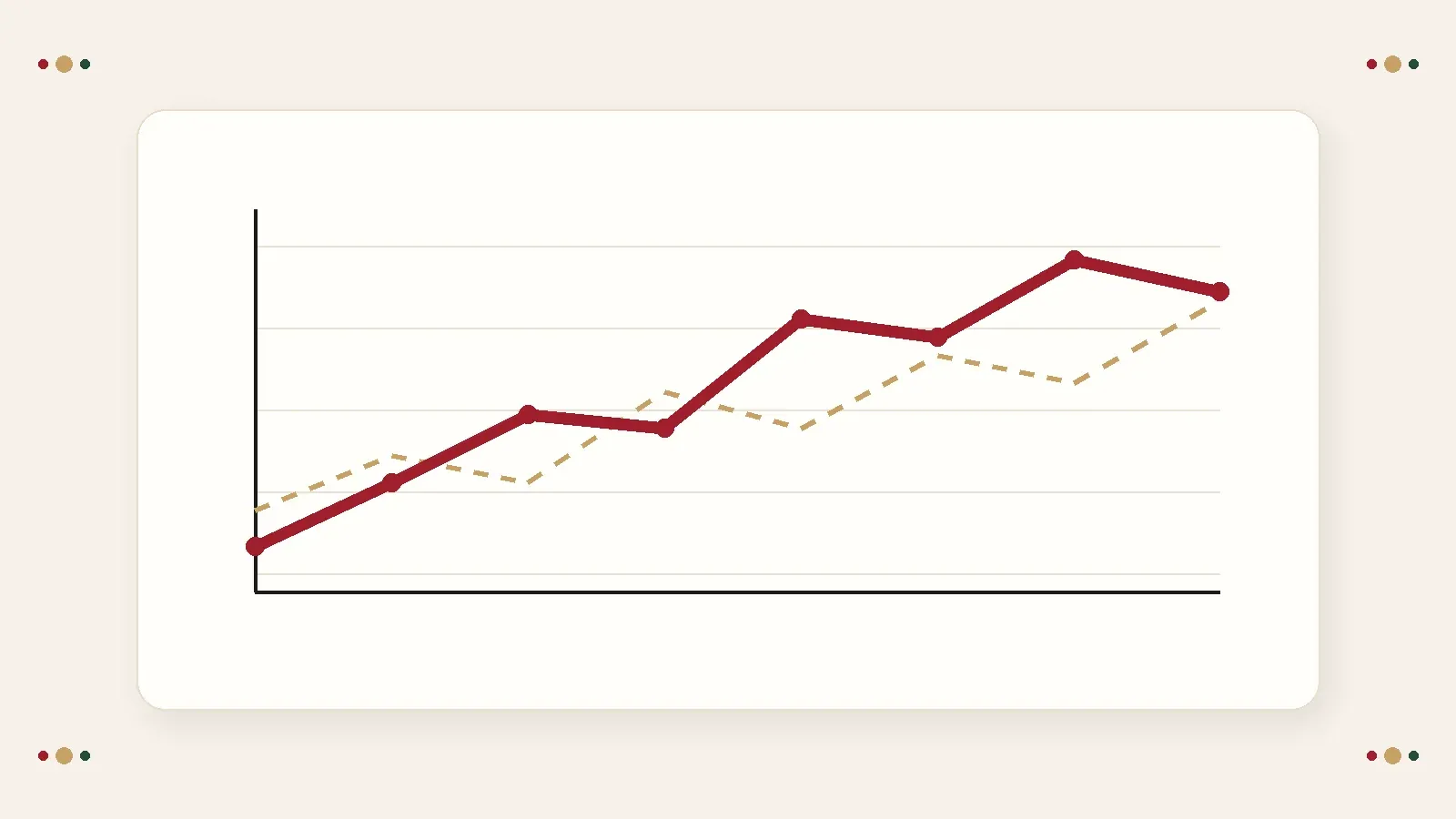
41. Build a Black Friday footfall baseline
Choose comparable pre-event days and document opening hours, promotions, weather or local events that may affect traffic. A baseline makes the post-event result interpretable instead of merely large.
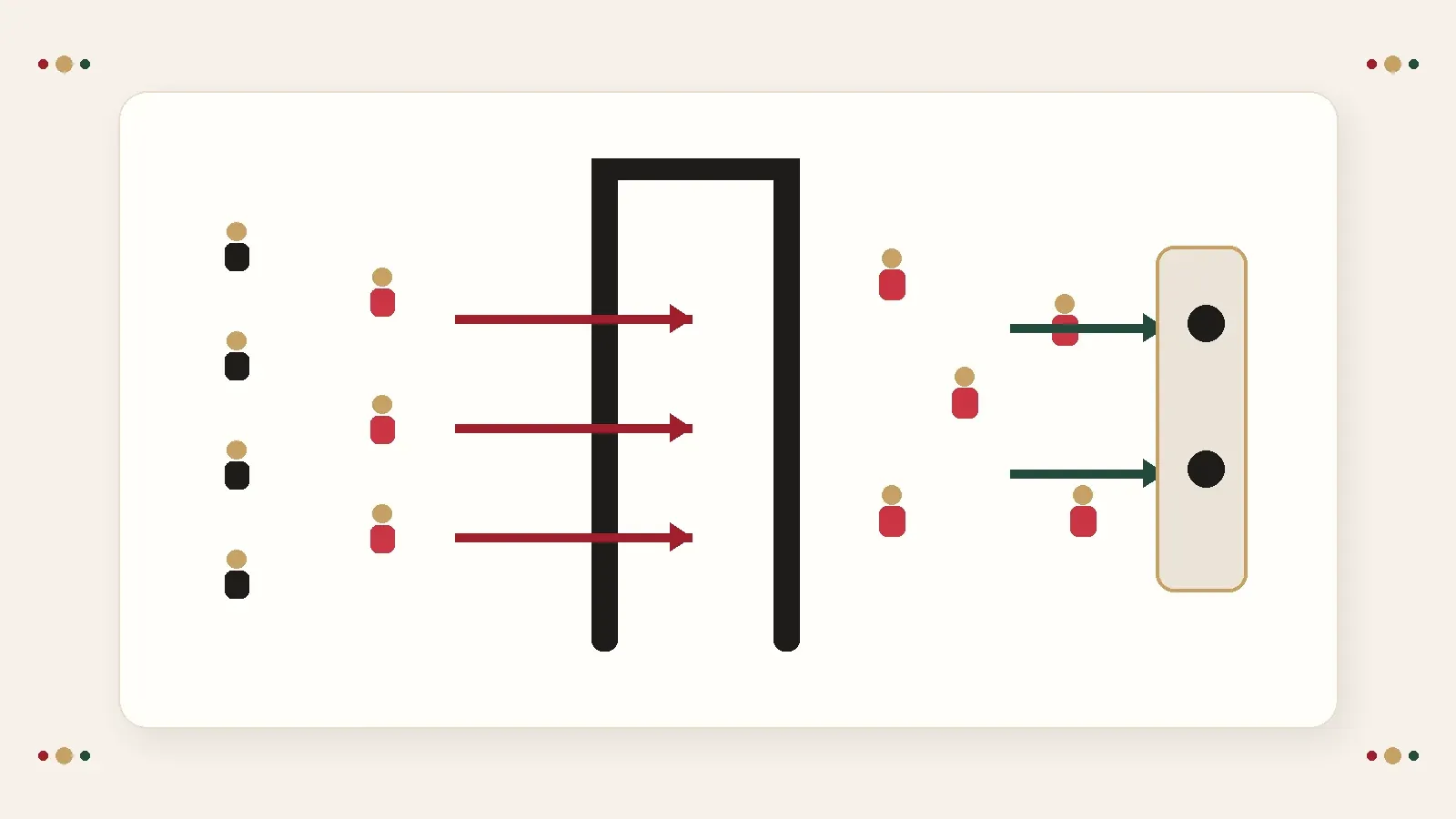
42. Track storefront capture separately from purchase conversion
Treat passers-by, store entries and purchases as different stages. A strong window can raise entry without improving purchase conversion, while a strong sales team can improve conversion even when passing traffic is unchanged.
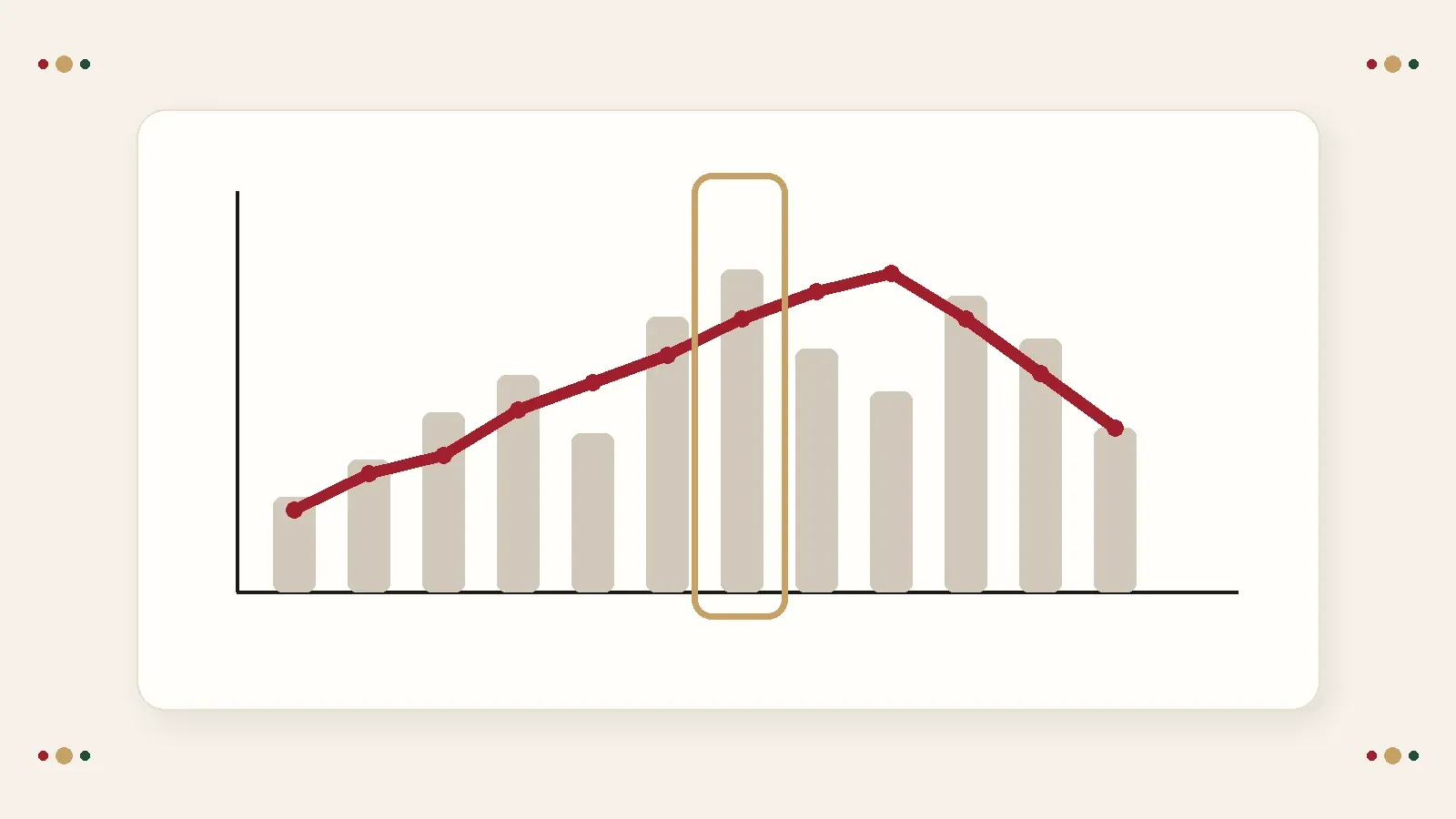
43. Review conversion by hour, not only by day
Daily conversion can look acceptable while the busiest two hours underperform badly. Align eligible visitor counts and transactions to the same time buckets and inspect where the gap opens.
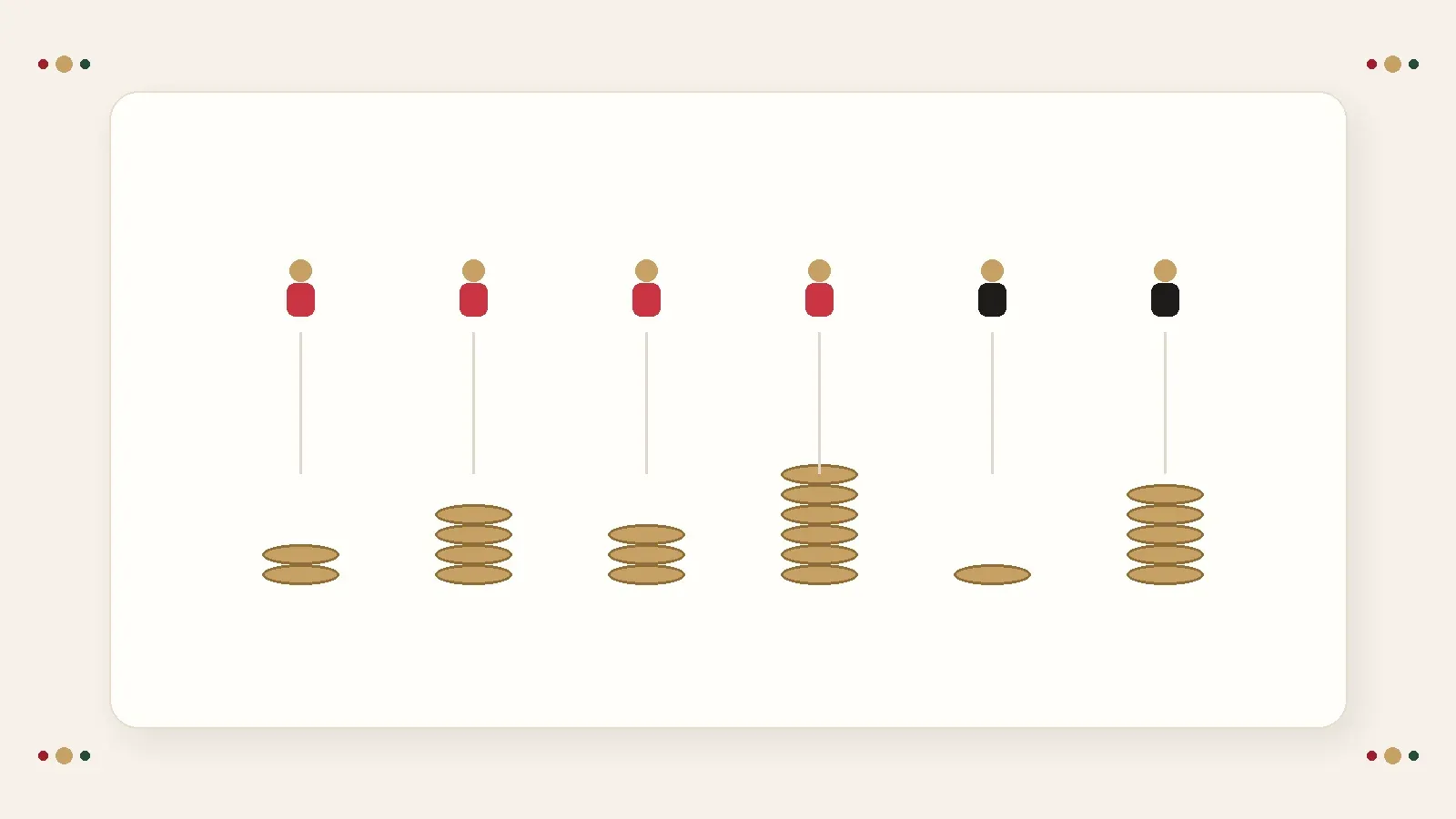
44. Track revenue per visitor
Use revenue per visitor to show how much sales value the store generated from each measured visit. Read it beside conversion and average transaction value so the team can distinguish fewer buyers from smaller baskets.
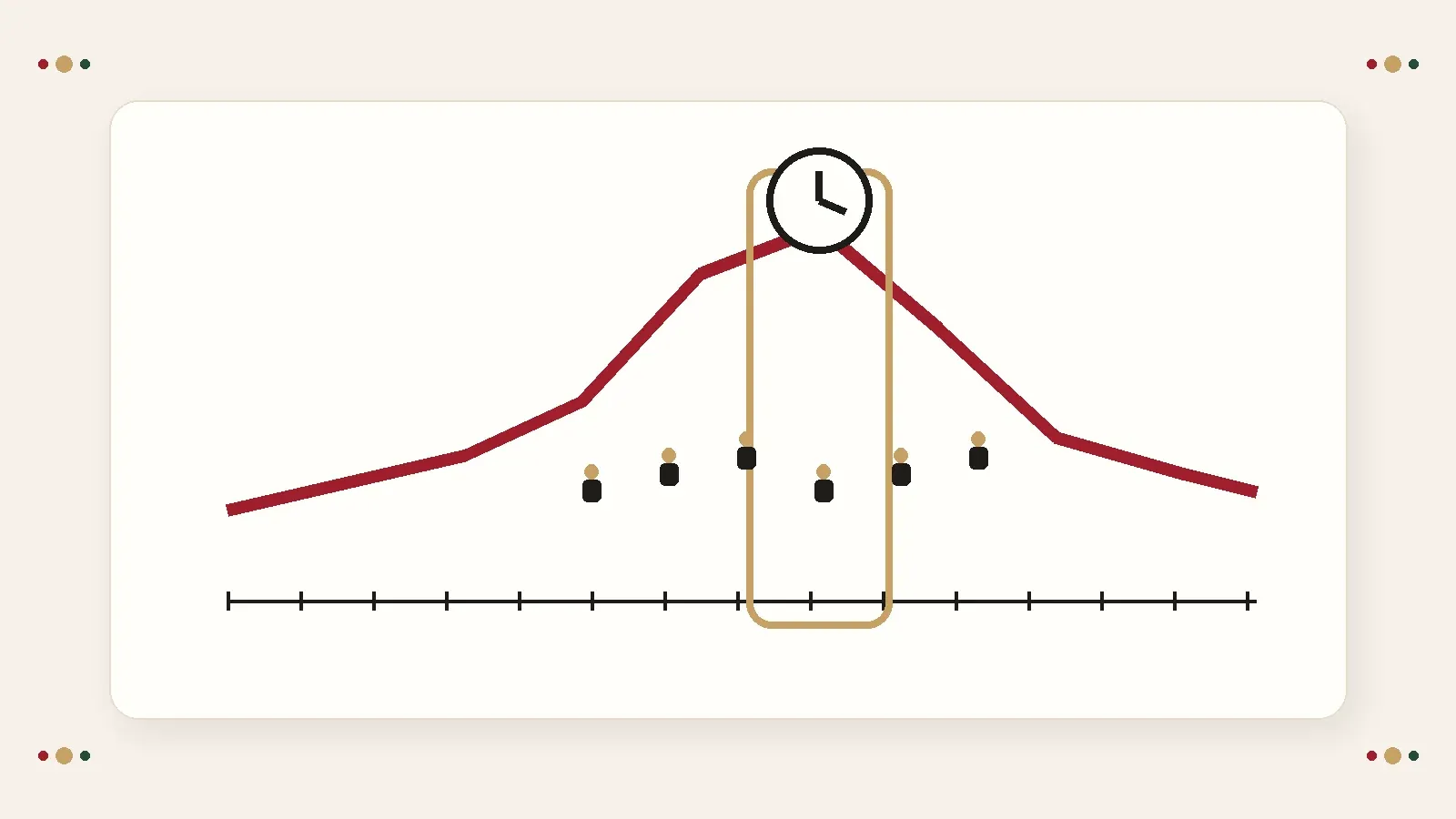
45. Measure queue time during the exact peak
Measure queue performance by interval rather than relying on anecdotes from the worst moment. Link the timing to traffic and staffing so operational changes can be tested.
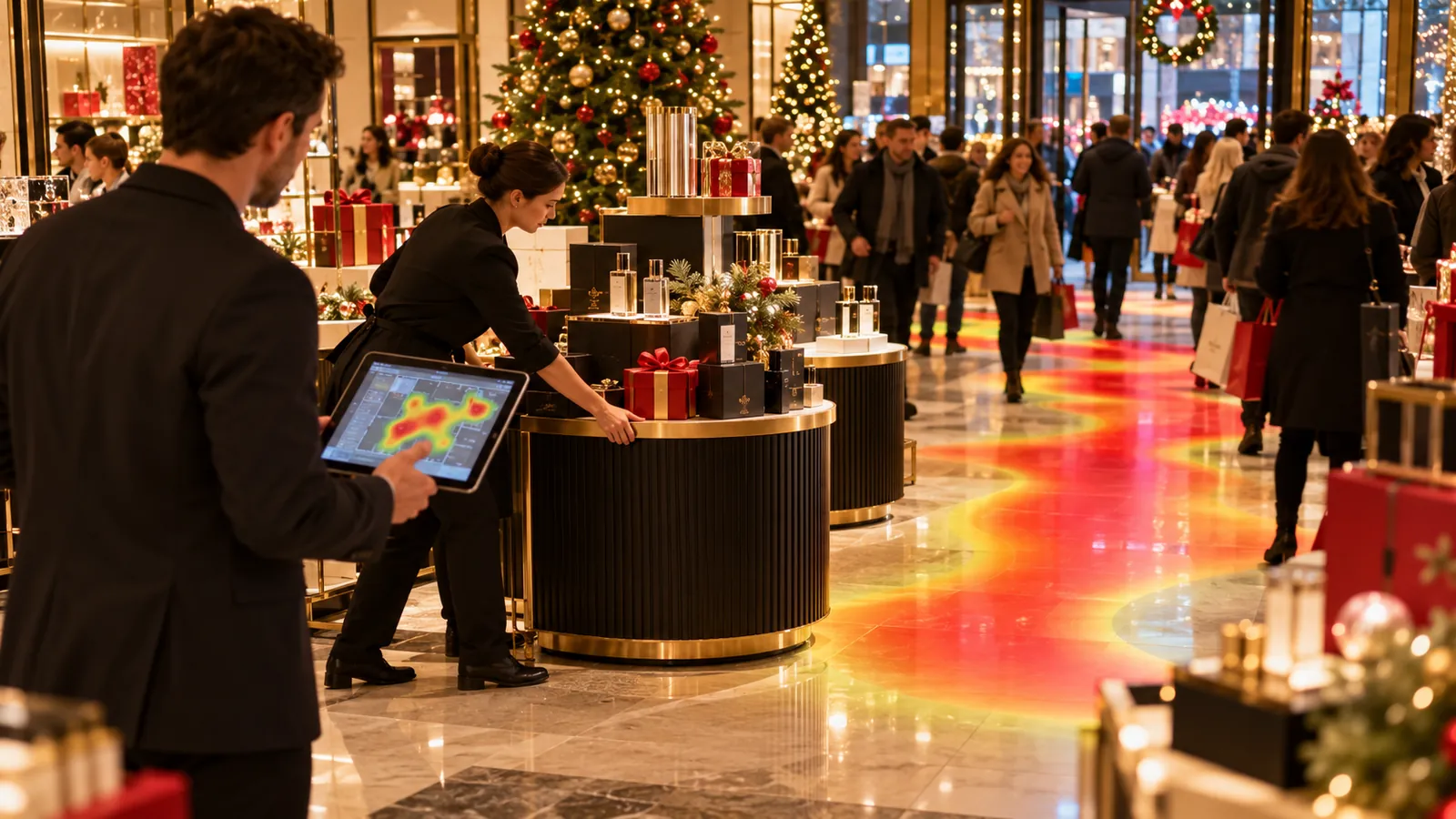
46. Measure zone engagement around hero displays
Define the display zone before the event and compare activity with a stable baseline. Avoid treating aggregate zone counts as unique identified shoppers; use the metric to compare areas and periods consistently.
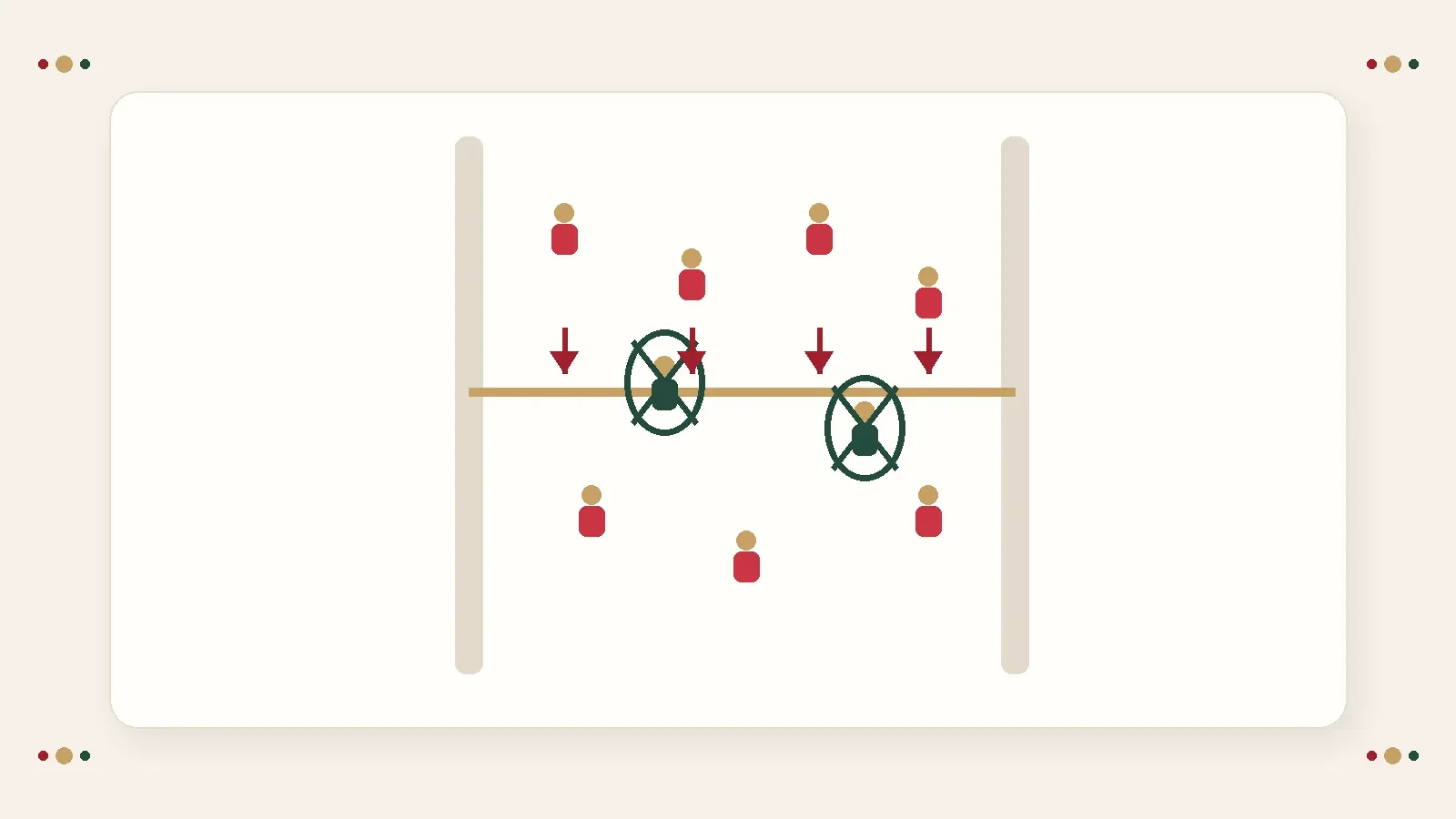
47. Exclude staff movements where the setup supports it
Repeated employee crossings can inflate entrance traffic and make conversion look weaker than it is. Document the staff-exclusion method used and validate the entrance count before comparing stores.
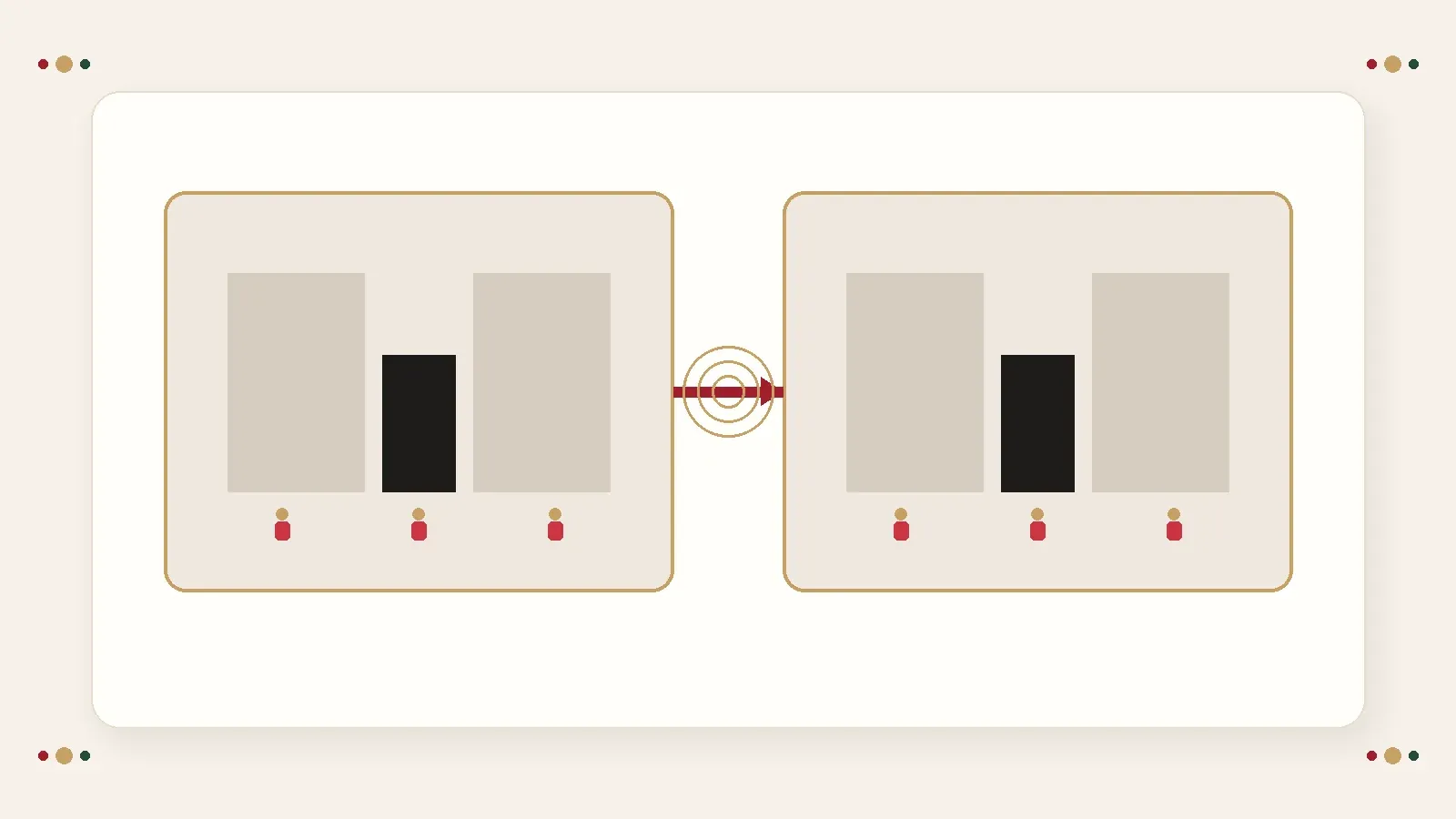
48. Compare matched store cohorts
Group stores by format, size, location or traffic profile before ranking performance. A flagship city store and a small destination store should not automatically share the same benchmark.
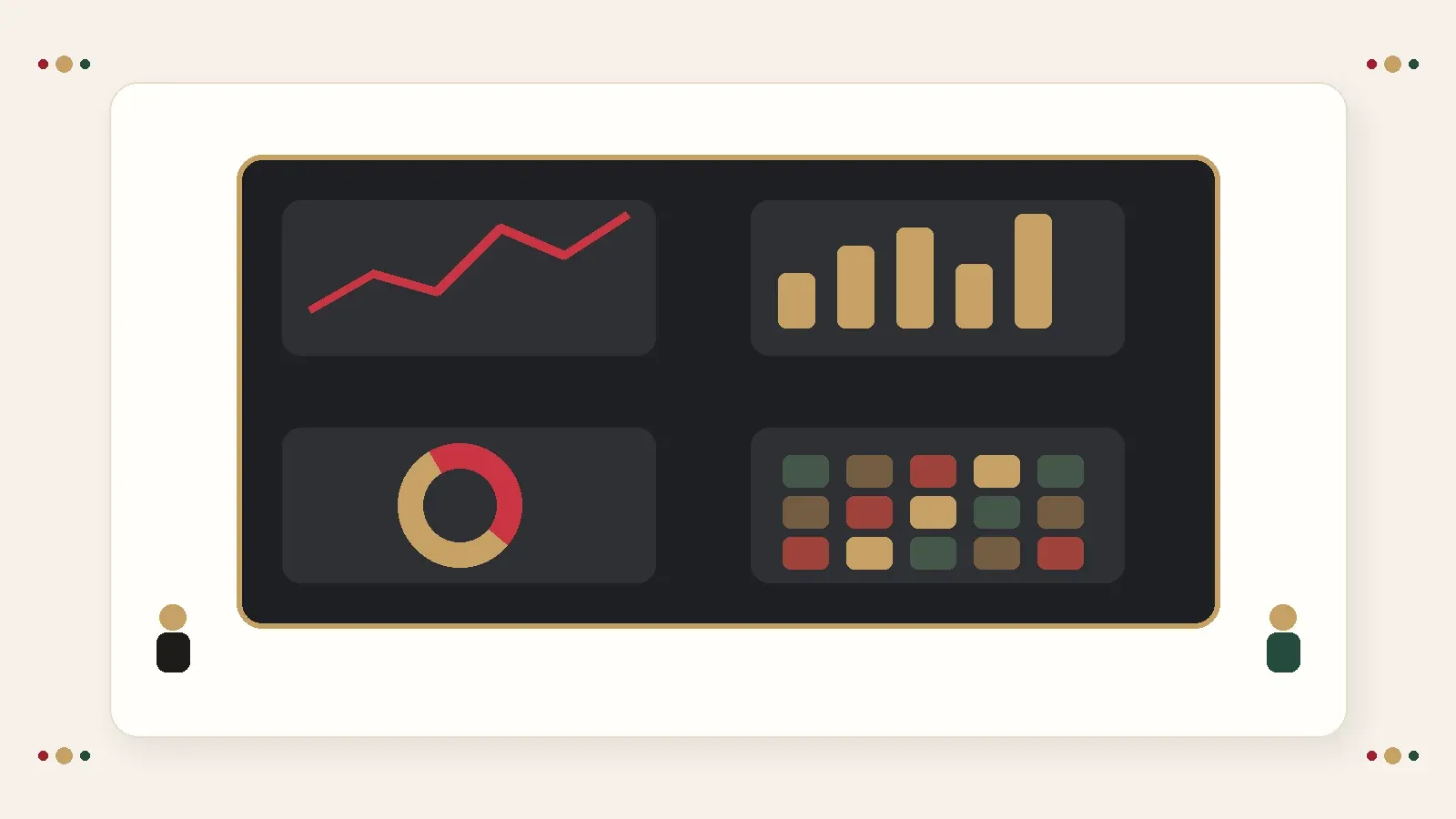
49. Run an hourly Black Friday performance board
Use a compact dashboard showing traffic, conversion, sales, queue and staffing signals by hour. Focus on exceptions that can still be changed during the trading day rather than reporting everything.
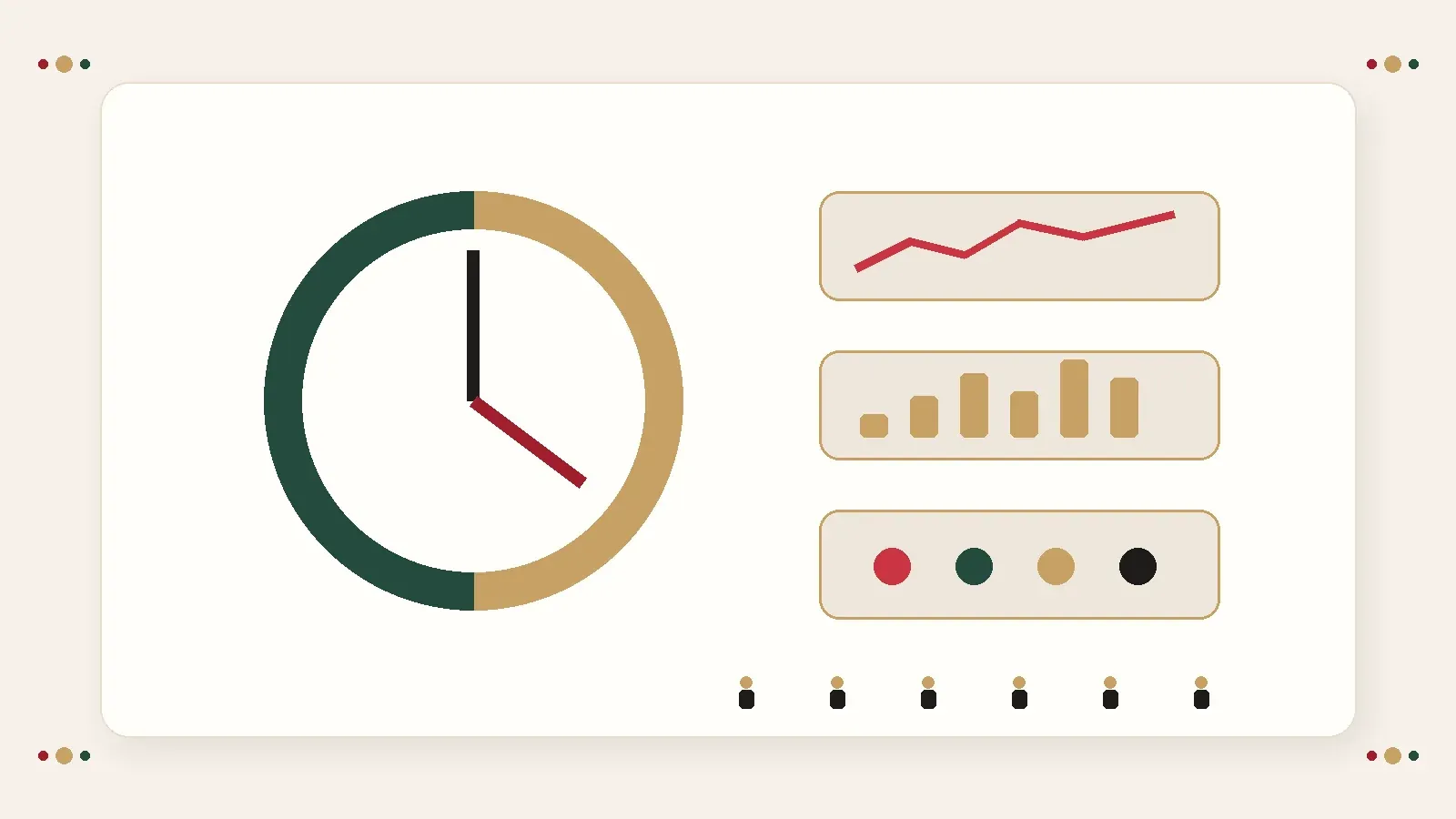
50. Complete a 24-hour post-event debrief
Capture what happened while store teams still remember it: traffic shape, conversion gaps, queue failures, stockouts, strongest offer, staffing changes and anything that should be repeated or removed next year.
Check the margin before increasing the discount
A stronger sales total can hide weaker economics. In an illustrative example, a product priced at $100 with a $60 merchandise cost produces $40 gross profit per unit. A 20% discount reduces its price to $80 and gross profit to $20. You would need twice as many units to preserve the original product gross profit, before additional staffing, payment fees, returns or campaign costs.
Calculate the offer at basket level, including gifts, stacked discounts and reward costs. Compare bundles, spend thresholds and added service before committing to a deeper markdown. Set a stock and cost limit for each promotion.
Turn the ideas into an hourly operating plan
Before opening, confirm stock, payment devices, pickup staging, staff positions and escalation contacts. Give one manager responsibility for coordinating the floor.
- Trigger: choose a store-specific waiting-time, queue-length or stock threshold and define how it will be observed.
- Owner and action: name the person who can open a prepared till, redirect collections or send a replenishment runner.
- Check: record when the action happened and whether the next comparable interval improved, without leaving another service point uncovered.
Roster around your own hourly traffic pattern, with cover for breaks. Sensormatic’s 2026 U.S. forecast expects daily holiday visits to peak between 2 and 3 p.m.; use that as context, then validate your store’s pattern. Its dated holiday forecast also shows why geography matters.
Check the delay from measurement to report, alert and staff response. See our guide to queue measurement and response time. Keep emergency routes clear and follow your store’s safety procedures throughout.
Measure the promotion with comparable data
Record a baseline before changing the offer or layout. Match store format, weekdays and opening hours, and note weather, local events, stock gaps and overlapping campaigns. Review the whole weekend as well as individual hours so a shifted purchase does not automatically look like new demand.
- Storefront capture rate = eligible entries from the measured frontage ÷ eligible passing traffic there × 100
- Retail conversion = eligible purchase transactions ÷ eligible visits × 100
- Revenue per visitor = net sales ÷ eligible visits
Use the same complete period and consistent definitions for every input. Compare net sales with margin, conversion and basket value. Matched control stores can strengthen the comparison, but a before-and-after change alone does not prove that one tactic caused the result.
Black Friday planning FAQs
What are the best Black Friday ideas for a small store?
Choose tactics your team can execute reliably: a relevant bundle, an early-access window and a simple checkout route. Confirm the margin and available stock first. Measure one main outcome instead of launching every idea together.
When should a store start preparing?
Start while stock, staffing and campaign choices can still change. The ideas here range from one to three days of preparation to four to eight weeks. Leave time to test offers, payment flows, signage and measurement before the event.
How many extra staff will Black Friday require?
There is no universal ratio. Use expected hourly visits, service tasks, transaction handling time and break coverage. Check checkout, fitting rooms, collections and replenishment separately, then test the plan against your busiest comparable trading periods.
How do I know whether Black Friday worked?
Compare matched periods using visits, conversion, revenue per visitor and margin. Check peak hours for service failures and review later returns and reward redemptions. A larger sales total alone does not show whether the promotion was more profitable.
Should pickup and returns visits count in conversion?
Agree the reporting rules before the event. If collection-only or returns-only visits cannot be reliably separated, document that limitation. Apply consistent visit and transaction rules across periods, and avoid counting the original online purchase again as a new in-store sale.
What data and equipment do I need?
Start with validated entrance counts and matching POS transactions. Nano AI entrance counting supports the visit denominator; Nano Prime zone analytics adds configured in-store measurements. Queues, zones and staff exclusion require appropriate coverage and licences. Loyalty or repeat-purchase analysis needs suitable customer records.
Build a measurement plan before the rush
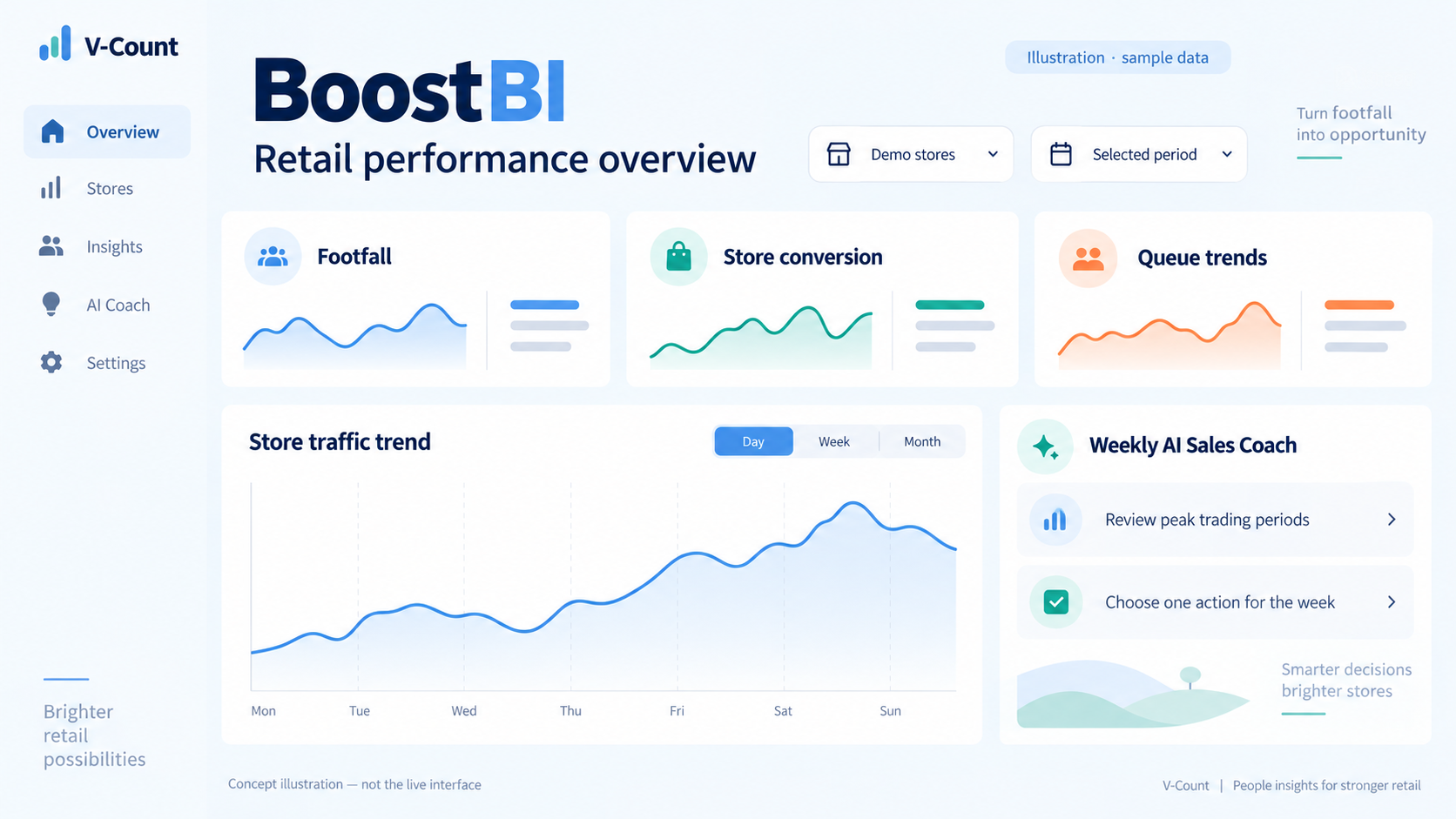
BoostBI reporting and integrations bring supported traffic and sales inputs together. Reporting typically refreshes every 10 minutes, or as often as every minute when enabled; POS imports have separate timing. Confirm the setup and validate it before relying on event-day reports. Plan your store’s Black Friday measurement with V-Count.
Build the plan around what shoppers do; not only what you discount.
V-Count retail analytics • Black Friday 2026